We’re inching toward a future where the internet doesn’t just move information; it moves quantum information. And sitting right at the center of that shift is one small but mighty innovation: molecular qubits, especially the new erbium-based kind built to “speak” the same optical language as the fiber running under our cities.
Think of them as microscopic diplomats connecting two worlds that were never supposed to meet: quantum processors in the lab and the everyday fiber infrastructure that carries your Netflix stream.
Let’s break down why this is such a big deal.
The Quantum Information Gap: Why Regular Repeaters Fail
Classical communication is simple. You send electrical pulses or light flashes down a cable. They get weaker over distance, so repeaters measure and copy them. Problem solved.
Quantum communication is a whole different game.
A qubit can be 0, 1, or both at once. That’s superposition. And entanglement links qubits together in ways that make no classical sense but power game-changing communication protocols.
Here’s the problem:
- You can’t copy quantum information.
The No-Cloning Theorem says measuring a qubit destroys its state.
So classical “copy and boost” repeaters? Completely useless.
- Photons carrying quantum data fade fast.
Even the best fiber eats photons alive over long distances.
Send one photon 100 km and—poof. Most of them don’t survive.
This is why we need quantum repeaters. These devices extend quantum signals without reading or duplicating them. And those repeaters need a rare device called a quantum memory, where quantum information temporarily lives while entanglement stretches across the network.
To work with global fiber networks, this quantum memory must speak a very specific language: telecom wavelengths. That’s the 1550 nm light used by the internet today.
Most current quantum memory systems don’t.
But erbium does.
Why Telecom Wavelengths Matter So Much
The entire internet runs at one “color” of light: the 1550 nm telecom wavelength. That’s where fiber has the lowest loss.
Want quantum communication to use the same cables? Your qubits need to operate at that wavelength.
The problem is that many advanced quantum memories, such as trapped ions and diamond NV centers, operate in the visible or ultraviolet spectrum. Converting their signals introduces noise, and noise kills quantum states.
This is one of the biggest roadblocks to building the quantum internet.
Enter erbium.
Erbium Molecular Qubits: A Hybrid Built for Fiber
This breakthrough isn’t just clever. It’s elegant.
Researchers designed tiny custom molecules around erbium, a rare-earth atom already used in today’s fiber-optic amplifiers. That means its optical transitions naturally occur at the exact telecom wavelength our fiber networks use.
Each molecule becomes a dual-function powerhouse:
Magnetic Quantum Memory
The quantum information is stored in the erbium electron’s spin state. It’s long-lived, stable, and well-protected.
Optical Interface
You read and write this information using telecom-wavelength photons. The same light that runs through fiber today.
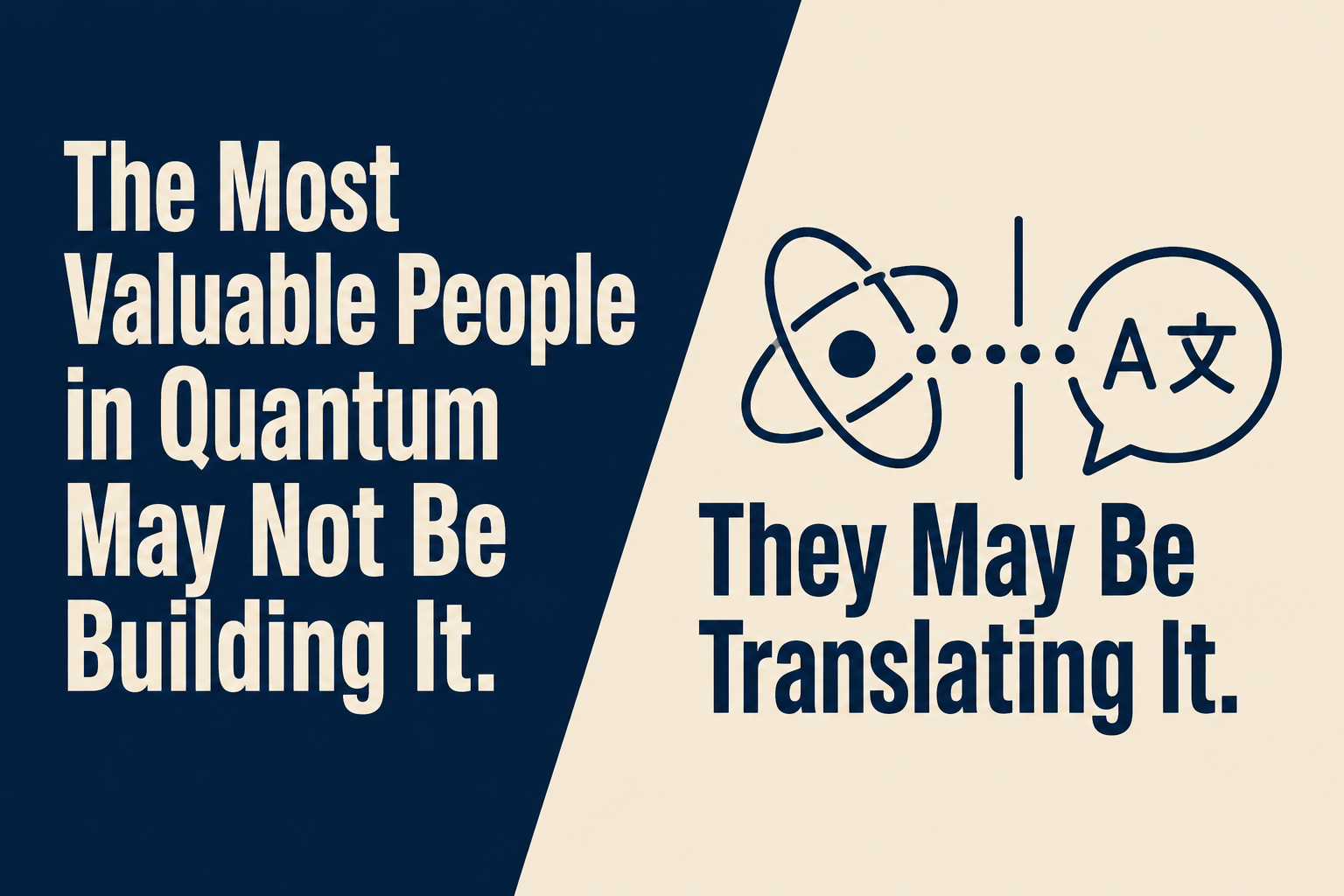
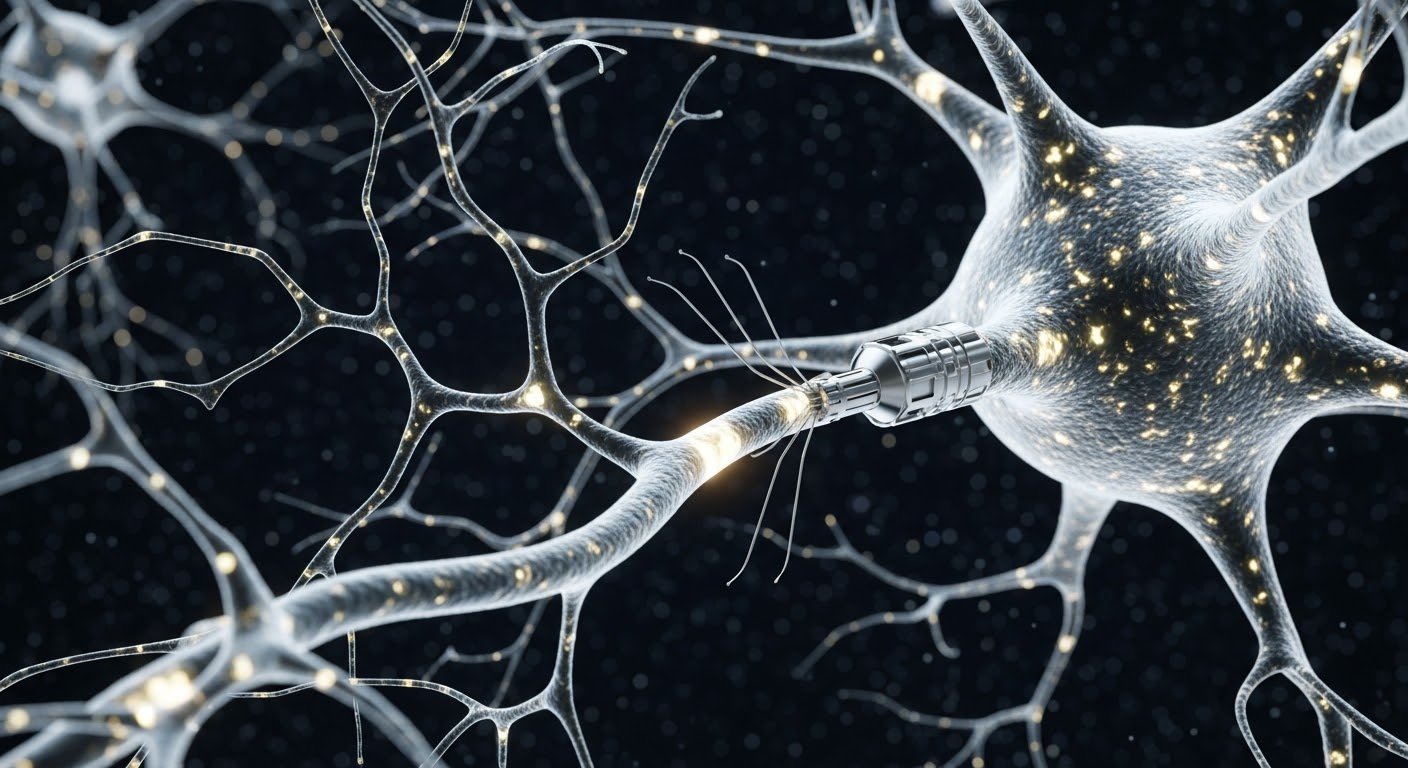
This makes them a nanoscale quantum-to-fiber translator.
They can:
- Store qubits in a magnetic state
- Convert that state into telecom-wavelength photons
- Receive telecom photons and convert them back into magnetic qubits
It’s the perfect bridge between quantum hardware and classical infrastructure.
Why Chemistry Over Engineering Might Win This Race
Unlike rigid solid-state systems, molecular qubits are tunable.
You don’t need a giant cryostat or exotic crystal.
You rewrite the molecule’s organic shell.
That means:
Scalability
You can produce huge numbers with chemistry, not million-dollar fabrication.
Integration
These molecules can potentially be integrated into silicon photonics chips, making quantum repeaters compact and manufacturable.
Optimization
By tweaking the molecular environment, scientists can reduce decoherence and extend memory lifetimes. That’s a massive win for long-distance networks.
This is chemistry doing what chemistry does best: optimization at the atomic level.
Why This Matters Right Now
This doesn’t magically give us a Quantum Internet tomorrow. But it knocks down one of the most complex engineering barriers: getting qubits to communicate using the infrastructure we already have.
With molecular qubits, we move significantly closer to:
- Quantum-secure global communication
Quantum Key Distribution (QKD) without distance limitations. - Distributed quantum computing
Linking quantum processors into a shared global network. - Quantum cloud services
Where users access quantum resources the way they use AWS today.
This is a genuine inflection point. It’s the moment chemistry, photonics, and quantum physics finally start speaking the same language.
For Beginners: The One-Line Takeaway
We’re designing custom molecules that let quantum computers talk directly to the existing internet.
And that tiny bridge might be the key to building the Quantum Internet of the future.