For years, quantum computing has lived behind a velvet rope.
Whispers of complexity.
A reputation for being “only for the brilliant.”
And an aura that makes even seasoned technologists hesitate before leaning in.
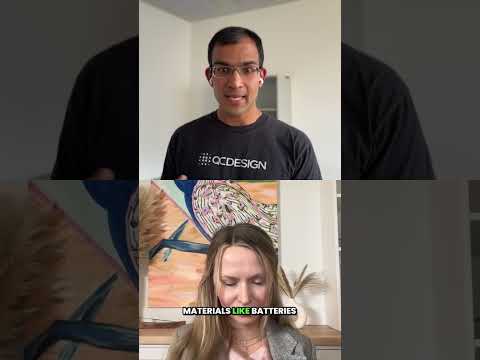
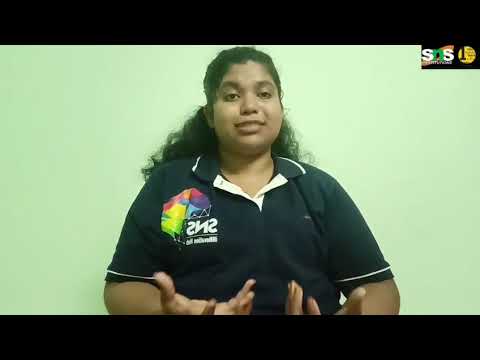
But after my recent Women in Quantum conversation with quantum machine learning researcher Harshitta Gandhi, one thing became crystal clear:
👉 We are still carrying myths about who quantum is for, and those myths are quietly holding people back.
So let’s talk about it.
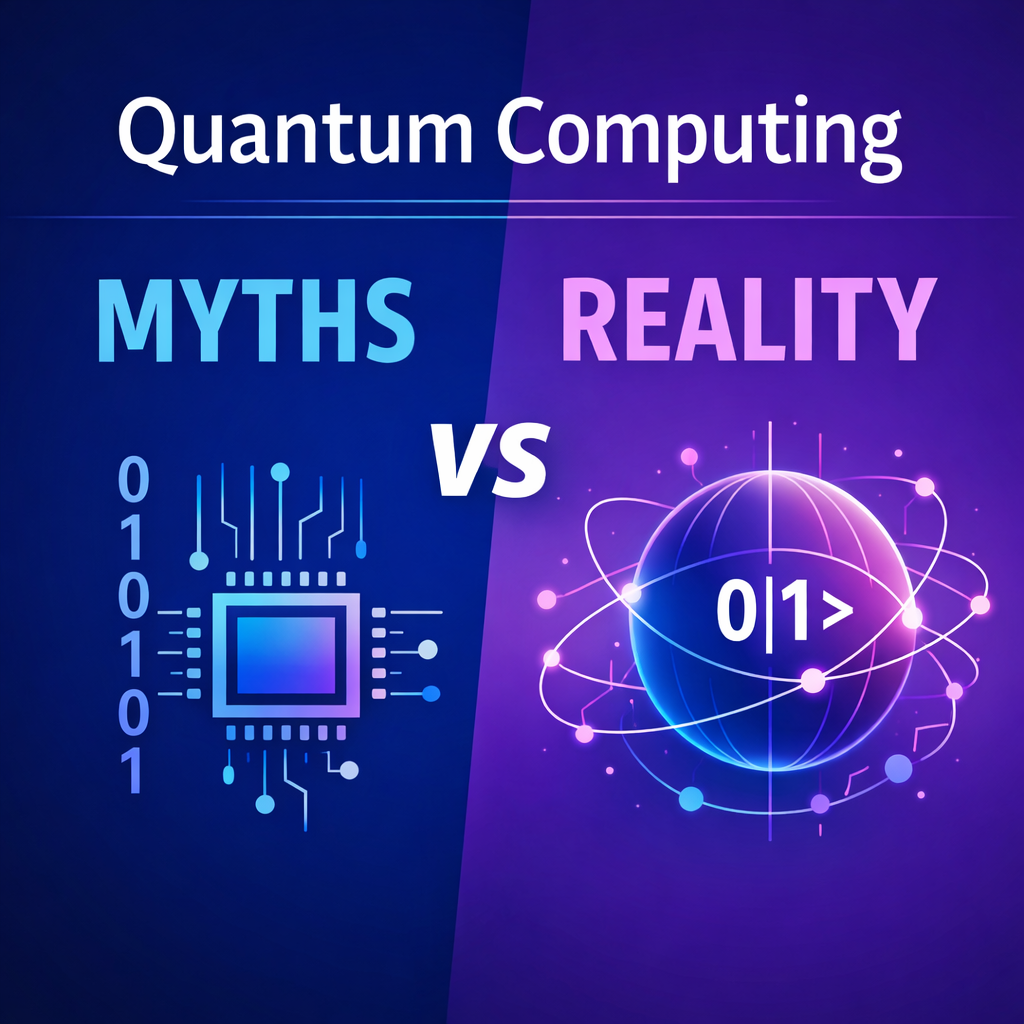
❌ Myth #1: You must be a math genius to work in quantum
✅ Reality: Imagination is the entry point.
One of the most refreshing moments in our conversation came when Harshitta shared that she wasn’t the stereotypical “studious” student growing up. She was deeply involved in sports, theatre, and music, not buried in math textbooks.
And yet, here she is today, pursuing a PhD at the intersection of quantum computing and quantum machine learning.
Why?
Because quantum thinking isn’t just about equations. It’s about:
- pattern recognition
- mental flexibility
- comfort with uncertainty
- and yes… imagination
This is a powerful reframe, especially for young women (and frankly, many professionals) who quietly assume they’ve “missed the quantum window.”
You probably haven’t.
❌ Myth #2: Quantum computing is mystical and unreachable
✅ Reality: It’s learnable and becoming more approachable every day.
Let’s be honest. The quantum field has not always helped itself here.
Between the terminology, the physics heritage, and the media hype cycle, quantum has often been portrayed as almost magically fascinating but distant.
Harshitta put it plainly: quantum is often perceived as less approachable than it actually is.
And this matters more than we think.
Because when a field feels inaccessible, talented people self-select out before they even begin.
What we are seeing now and what I’m watching closely through Impact Quantum and Women in Quantum is a gradual but meaningful shift:
- better tooling
- more educational pathways
- stronger interdisciplinary entry points
- AI-assisted workflows are lowering barriers
- and a growing global community is willing to explain, not just impress
Quantum is still hard. Let’s not pretend otherwise.
But it is increasingly navigable.
And that distinction is everything.
❌ Myth #3: One qubit modality will ultimately dominate
✅ Reality: Different qubits will likely win in different domains.
This is one of the most important technical mindset shifts happening right now.
There is still a quiet narrative circulating in the ecosystem that we are in a race to find the winning qubit—the single modality that will rule them all.
But practitioners like Harshitta are thinking more pragmatically.
Her perspective, and one I’m hearing more often across the field, is that we are likely heading toward modality specialization, not monoculture.
In other words:
- superconducting may excel in certain workloads
- trapped ions in others
- photonics in others
- annealing in still different optimization spaces
If this plays out, the future of quantum will look less like a winner-take-all platform and more like a heterogeneous compute ecosystem.
Sound familiar?
It should. Classical computing evolved the same way.
Why myth-busting matters right now
Here’s the bigger picture.
Quantum computing is entering a phase where technical progress is only part of the story. The other part, the one that will shape talent pipelines, investment flows, and ecosystem growth, is perception.
Who believes they belong here?
Who thinks the field is accessible?
Who sees a path in?
These are not soft questions. They are infrastructure questions for the future workforce.
Every time we demystify quantum, we widen the on-ramp.
Every time we show nontraditional pathways into the field, we expand the talent graph.
Every time we replace intimidation with clarity, we accelerate the ecosystem.
And that, more than anything, is why these conversations matter.
If you’re quantum-curious but have been sitting quietly on the sidelines, consider this your signal:
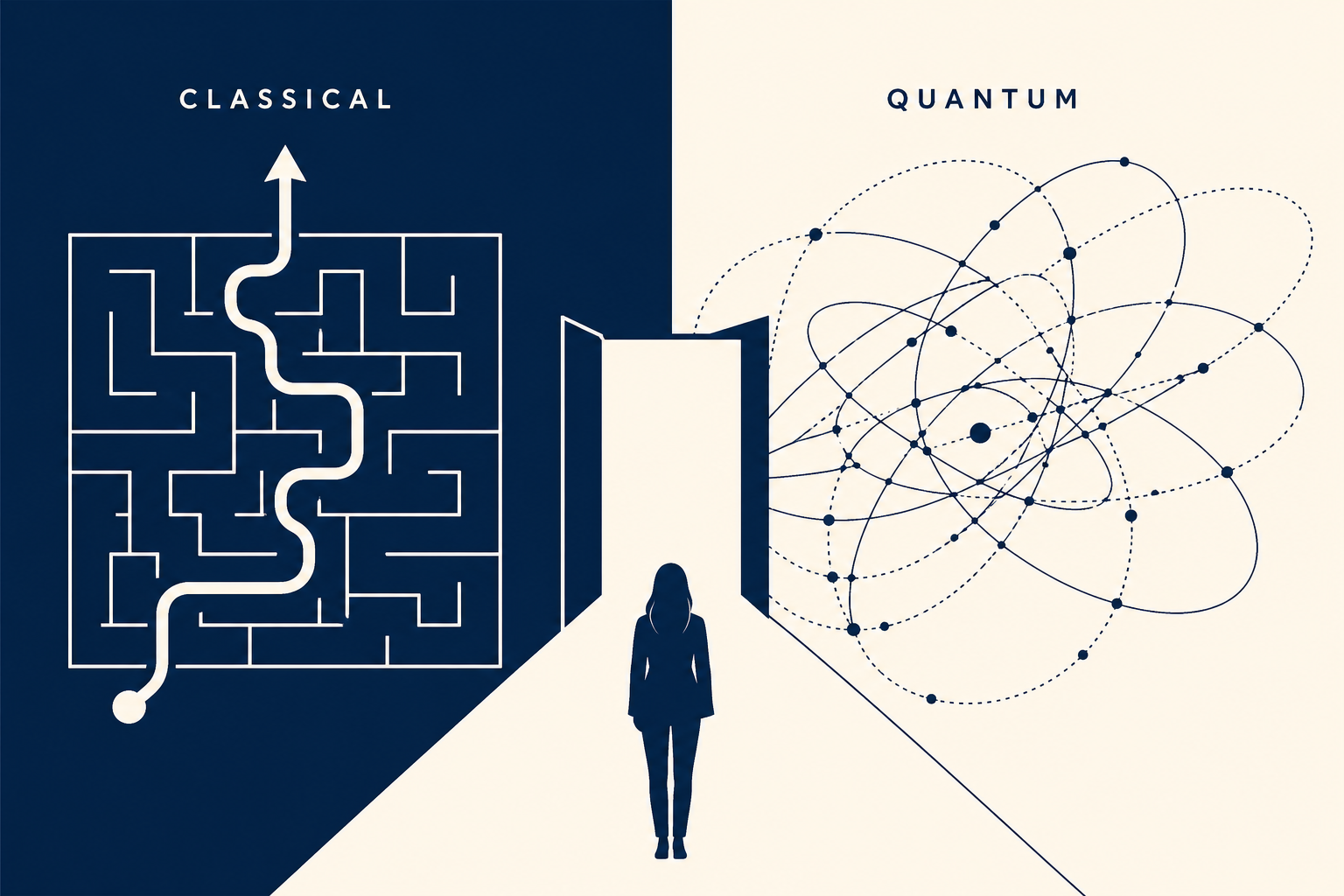
The door is more open than it looks.
#QuantumComputing #WomenInQuantum #QuantumMachineLearning #STEMCareers #FutureOfCompute