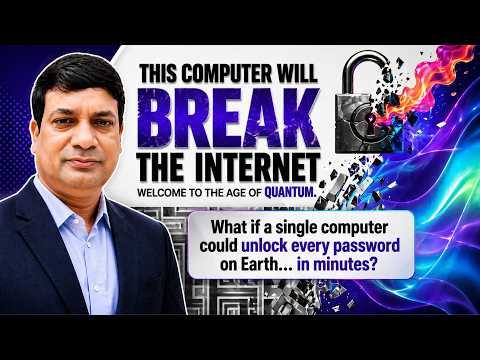
Imagine a world where a computer could solve problems in mere seconds that our most advanced machines today would need millennia to unravel. A realm of endless possibilities that feels simultaneously futuristic and immediate—a place where boundaries blur, transforming the landscape of technology, science, and beyond. Welcome to the enigmatic and intriguing world of quantum computing.
Based on content from The Recruiter
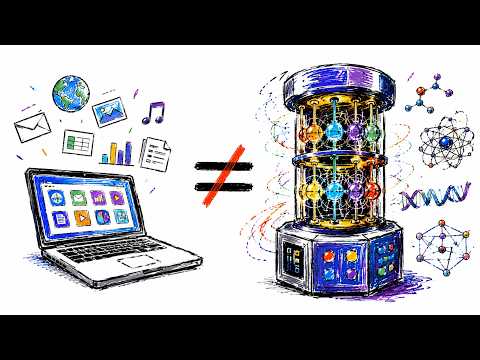
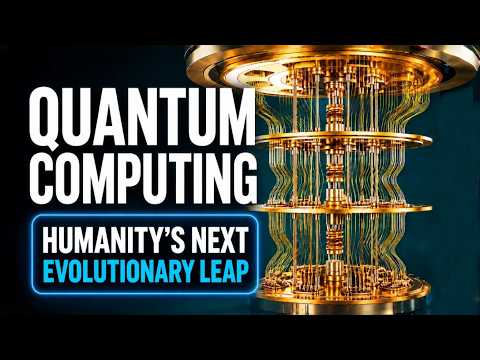
Now, before one becomes lost in the abstract swirl of what quantum computing might conjure, let’s root ourselves with gentle clarity: What is quantum computing, and why does it matter? In simple terms, quantum computers don’t just work faster—they work differently, harnessing the power of qubits, superposition, and entanglement. These aren’t merely tools or terms but gateways to understanding a vast new world.
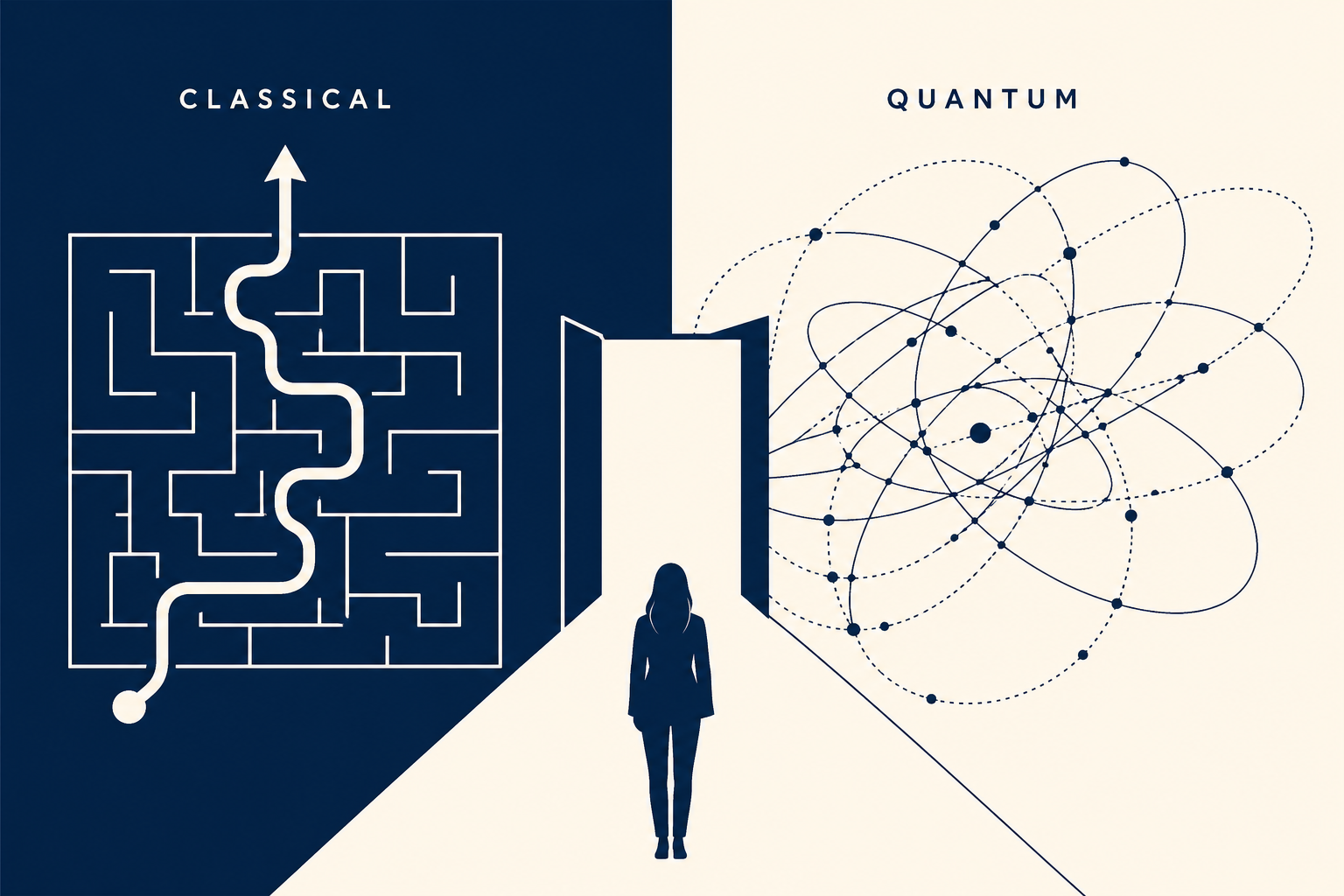
Think of traditional computing as a steadfast, one-step-at-a-time journey. Each bit conveys a clear, albeit limited choice: on or off, zero or one. In contrast, a qubit—the basic unit of quantum information—can exist as one, zero, or both simultaneously. Consider it akin to a spinning coin balancing in the air, embodying both heads and tails at once. This is known as superposition. It allows quantum computers to explore multiple solutions at once, much like viewing all possible paths in a maze not as separate trials but as a single, sprawling tapestry.
The allure strengthens when we introduce entanglement. Imagine two particles that become interconnected, so that the state of one instantly influences the other, regardless of distance. It’s a mystical dance that Albert Einstein famously referred to as “spooky action at a distance,” and it lies at the heart of what could propel quantum computing leaps and bounds ahead of classical machines.
But what influence does this wield in our tangible life? Picture this: in the field of medicine, the potential to simulate countless drug interactions in days instead of years, unleashing a rapid revolution in treatments and cures. In the financial realm, markets that can be modeled in real-time, offering insights so immediate they border on premonition. In logistics, imagine a delivery system that navigates the globe’s complexities in mere moments, optimizing efficiency and unraveling congestion, much like dispelling the snarling maze of Bangalore traffic—all at once.
Perhaps most provocative is the shift in cybersecurity. Quantum computers hold the unnerving capability to break current encryption standards, cracking in minutes what would take a classical computer eons. Yet, despite the marvel and the mystification, these quantum titans are more theoretical whispers than tangible tools…for now. They’re so fragile they require environments colder than outer space and sensitivities so acute that the slightest vibration threatens their delicate equilibrium. In this embryonic stage, the world’s greatest tech minds are engaged in a race to stabilize them, sowing seeds for what promises to be an untrodden era in computing.
The implications for a country like India are monumental. As a burgeoning hub for innovation and technology, embracing quantum computing could catapult economic and academic endeavours. It could redefine fields, alter industry landscapes, and shepherd in a new dawn where the limits of computing serve as gateways to greater exploration and understanding.
This is not an ephemeral trend but a movement towards redefining what computing means, effectively reshaping global problem-solving methodologies. In the next decade, as quantum computers evolve from scientific experimentations to essential infrastructure, we’ll witness transformations across every domain. From healthcare to climate change modeling, the tapestry of the future is already being woven with quantum threads.
As we stand on the precipice of this quantum leap, consider not just the marvel of technological advancement, but the discernible, thoughtful progress we get to participate in. As an element within this grand transition, what do you envision as the most significant ripple effect of a world harmonized by quantum precision? Sometimes, the most groundbreaking revolutions begin with the quiet observation of what seems impossible becoming, suddenly, quite probable.
If you’ve found yourself drawn into this unfolding narrative and seek to stay informed on a world through the looking glass of future technology, now is the time to engage more deeply. The revolution has begun, and it calls not just for observation, but for understanding and anticipation. What role will you play?
—