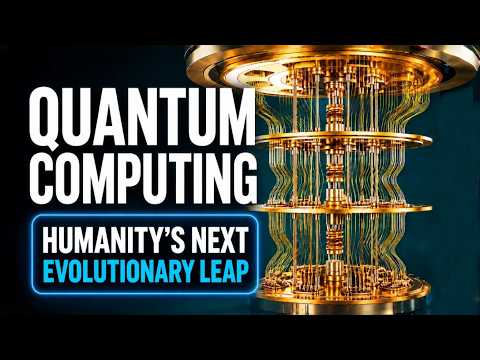
Our present world is not short of developments that provoke thought and invite reflection. It’s a paradoxical space, where the unseen algorithms of technology quietly orchestrate our daily lives while we glance distractedly the other way. In this landscape, one new force is emerging that promises to transform the very core of our society: quantum computing.
On April 14th, we recognized “World Quantum Day,” a date that, at first glance, might seem as transient as any of the countless themed days in our calendar. Yet, beneath its surface lies a phenomenon so potent, its ripples may soon be felt in our bank accounts, healthcare systems, and beyond. Amidst a world full of noise, quantum computing seeks to redefine the silence, making its subtle but seismic shifts known.
Based on content from BlazeTV
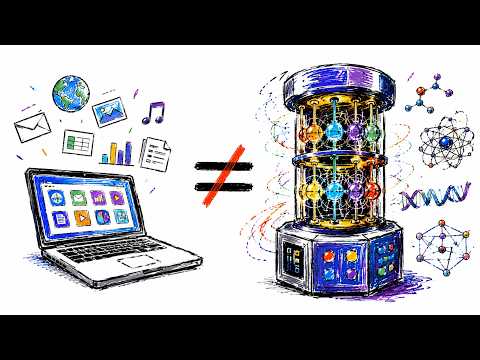
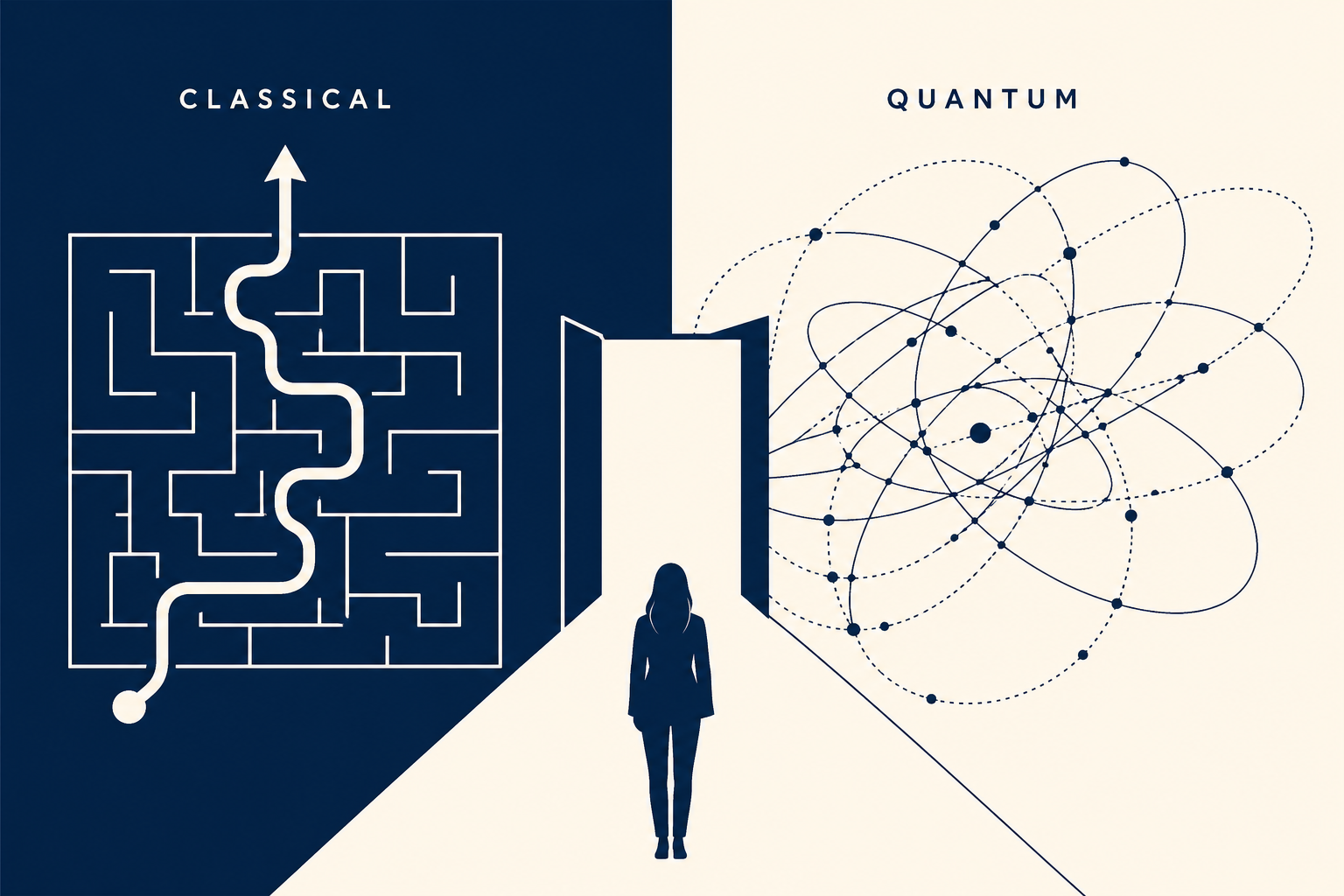
Quantum computing is not just another advancement in technology. It’s like a symphony playing in another dimension, with each note revealing insights that challenge our traditional perceptions. Imagine gathering the thousand most intuitive minds, alongside every strategic text ever written, to solve a conundrum akin to the war in Iran. Through classical means, the task may take decades, filled with debate and divergence. Quantum computing supersedes this, offering instantaneous access to a colossal library of knowledge—each participant, whether they reside in disparate cities, aware of the collective insights penned at that immediate moment, transcending physical barriers.
Such revolutionary capacity allows quantum systems to unravel problems that a conventional supercomputer might ponder over for epochs, were the universe infinitely accommodating. The implications of this border on the fantastic, yet they are just as grounded as they are vivid in their modern relevance. To dismiss this as mere academic ramblings would be to overlook a pivotal moment in human progress, parallel to the introduction of electricity in the 1930s or the dawn of the internet era in the 1990s.
Yet, why should this matter to us, amidst budgeting worries and climbing fuel prices? The weaving of quantum computing into the fabric of our society holds promises that are no less than transformative. Take medicine, for instance. Quantum computers are analyzing protein folds that contribute to diseases such as Alzheimer’s with an efficiency previously unimaginable, shortening drug discovery timelines from decades to years or even months.
The financial sector is not untouched by this surge of intelligent processing, either. Quantum algorithms are reshaping risk modeling, optimizing processes to save costs, while governments sprint to prepare post-quantum encryption in anticipation of decryption threats from these powerful machines. Bad actors in cyberspace are already gathering encrypted data, betting on future machines to break through today’s secure walls.
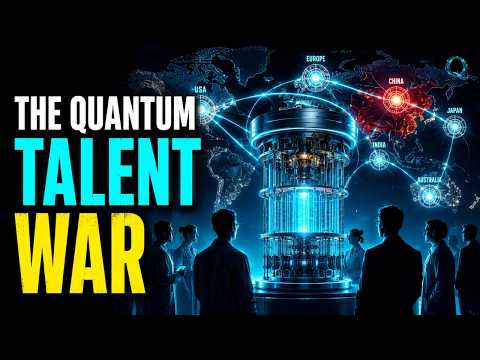
In this future, almost accessible yet arcane, our largest hurdle is human comprehension. We find ourselves needing not mere physicists but a cadre of quantum-literate engineers, software developers, ethicists, and educators to navigate and articulate these complex systems. The realization of quantum benefits lies not in the hardware which advances rapidly, but in our ability to cultivate understanding and direct its potential.
Albert Einstein, even at the advent of quantum mechanics’ resources in the 1940s, could hardly have envisioned its abstract principles manifesting as the laser in a supermarket scanner. Yet here we stand on the precipice again, poised to redefine our lives. Understanding begins with awareness; awareness that leads to action.
If you take away one thing from April 14th, let it be this: the rules governing the minutiae of our universe are gradually rewriting the macroscopic laws of daily life. By inviting these concepts into the conversation, we do not just observe the ebb and flow of innovation—we help to sculpt the very landscape of our collective future.
For a deep dive into what that future looks like, keep the conversation going. Explore resources and engage with content that brings clarity to this quantum realm, where knowledge is as vast as it is transformative.
—