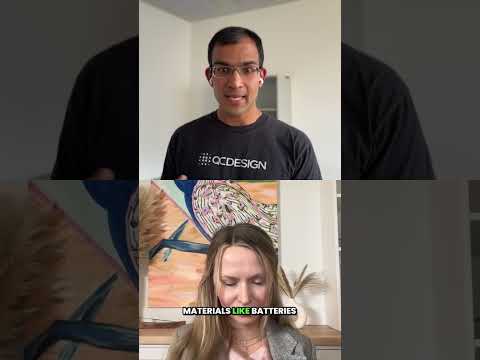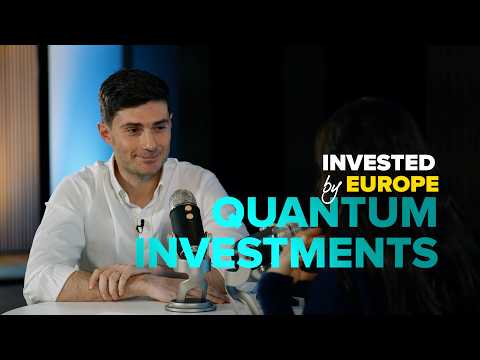
The first light of day bleeds through thin clouds over Brussels, casting a soft glow on the European Investment Bank where minds work tirelessly to shape the future—a quiet but imposing edifice of European dreams. Within its walls, conversations about tomorrow have long since evolved from the realm of mere ideas to intricate discussions on innovations like quantum computing. Here, Nikolay Dimov, an investment officer, offers insights that ripple far beyond the immediate air they occupy.
Based on content from European Investment Bank
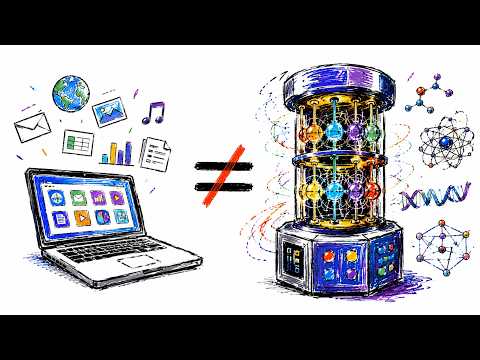
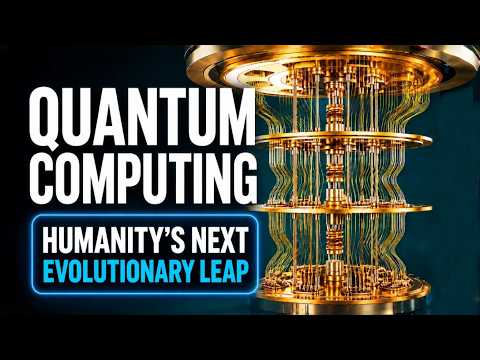
Quantum computing emerges not as a mere upgrade to today’s computational speed but as a reimagination of solving problems, akin to discovering a new sense through which to perceive reality. It’s unlike the gradual enhancements in traditional computing that often promise faster, leaner devices—a phenomenon well-explored yet limited by its sequential processing nature.
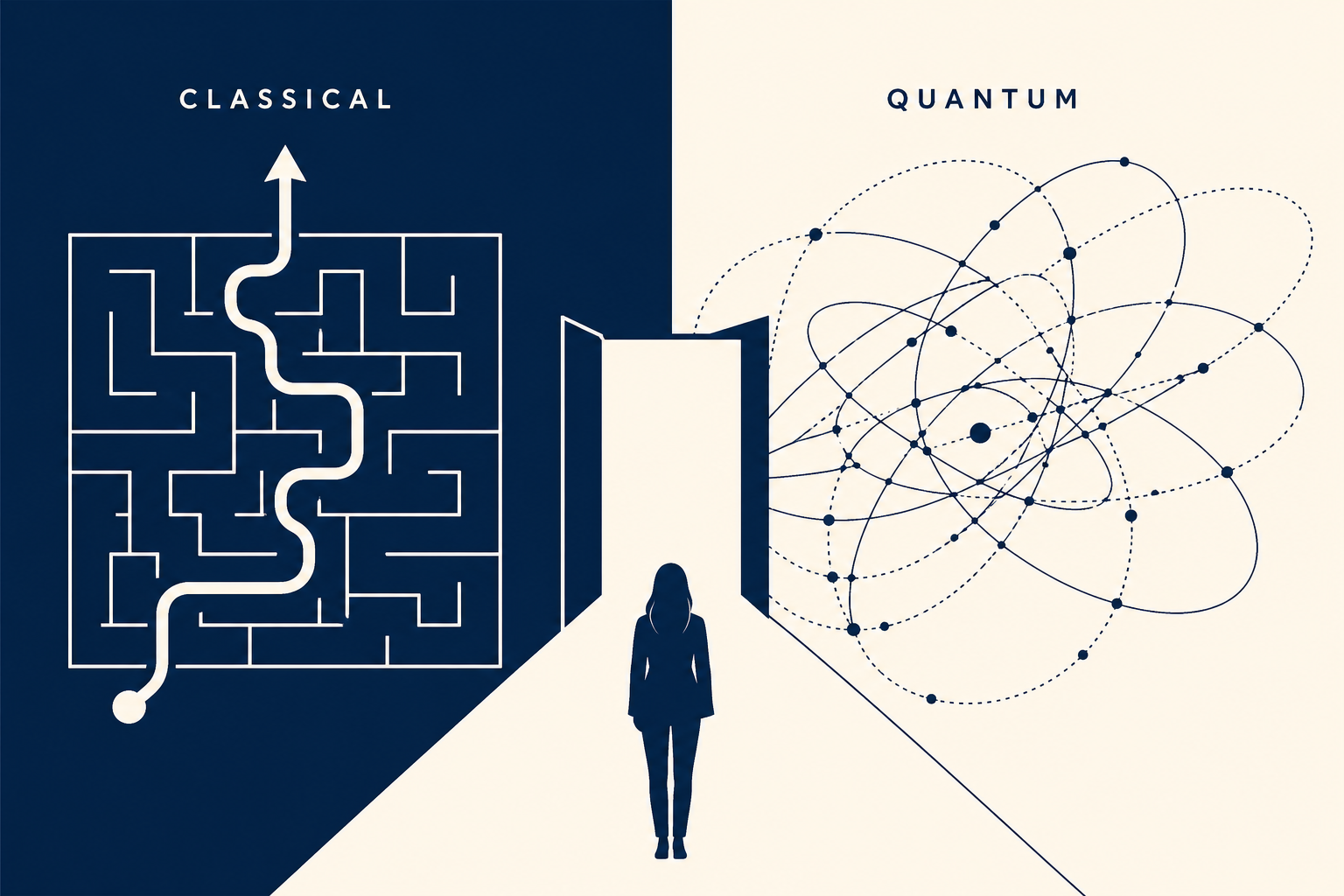
“Imagine standing at the mouth of a grand maze,” Dimov explains, as if tracing potential labyrinthine paths with invisible fingers. “A traditional computer takes one path, reaches a dead end, and backtracks to try another. It’s systematic but painfully slow. Quantum computing, on the other hand, explores all paths simultaneously, echoing the effortless flow of water finding the shortcut through its many twisting channels.” This metaphor stands out—quaint yet powerful—an articulation not just of technology but of the ingenuity behind it.
While the ordinary day-to-day life might not immediately reflect a change with quantum breakthroughs, there’s an innate promise of profound implications. It’s about shorter R&D cycles—quicker dawns for advancements in medicine, novel energy solutions, and the synthesis of complex materials. Each potential discovery a note in a vast symphony of progress.
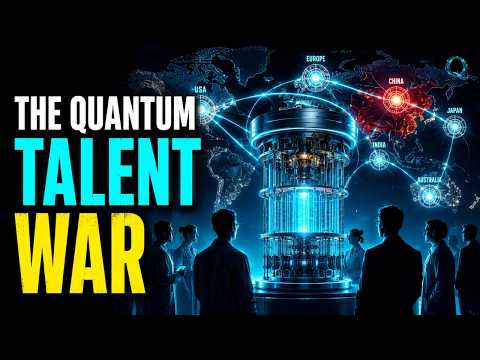
The discussion with Dimov naturally orbits to the strategic stakes for Europe. The continent, dense with talent often referred to as ‘genius,’ finds itself at the precipice where innovation intersects with investment. A place where the financial underpinnings appear fragile, yet the resolve is firm. Quantum technologies are heavily capital-intensive, necessitating a liquidity of patience and vision most thrillingly embodied by the EAC grants and broader equity investments.
In the competitive global landscape, with formidable players from the US and Asia, the aim for Europe isn’t necessarily to overtake but to ensure it remains indispensable—an enduring partner unfurling its potential alongside existing pillars of AI and traditional computing. It’s a journey not about beating others to the finish line but rather about co-leading the march forward, rooted in European values of trust, ethics, and technical rigor.
Dimov’s words resonate not merely as insights into a sector but as a rallying cry, “We’re at the station; the train is in sight, and hesitation is a luxury we can ill afford.” The stakes are geopolitical as much as they are technological. Quantum computing in Europe isn’t just an advance; it’s a strategic decision, a way to uphold and even redefine its independence on the world stage.
Europe has not yet lost the train; the rails are still firm underfoot. What lies ahead is a choice—lead, or follow, the latter representing a path of dependency and lost potential. This call to action evokes an image of hands extended toward the future, grappling firmly with prospects as vivid as the sunrise over the distant Alps, casting light upon what could be tomorrow’s landscapes.
Audience members are left with a sense of connection—a clarity tinged with the peacefulness of a fog lifting from a personal vision. It’s a conversation marked as much by its quiet insights as by the urgency conveyed through Dimov’s grounded yet hopeful tone—a testament to the intricate dance Europe performs on the global quantum stage.
—