This week in quantum felt like watching the future unfold in real time. From billion-dollar investments to mind-bending breakthroughs like quantum teleportation, what once sounded like science fiction is now part of our daily news cycle. But here’s the twist: these headlines aren’t random—they’re connected. And they’re telling a much bigger story.
This video is from ImpactQuantum.
This week, every headline about quantum advancements echoed a consistent theme: rapid, synchronized progress. It’s not simply about individual milestones anymore; rather, it feels orchestrated on a global scale—quantum error correction in Australia one day, followed by a multimillion-dollar investment in quantum research in Canada the next. These events aren’t isolated; they’re interconnected, much like a symphony where each instrument comes together to produce a harmoniously ambitious leap forward in science and technology.
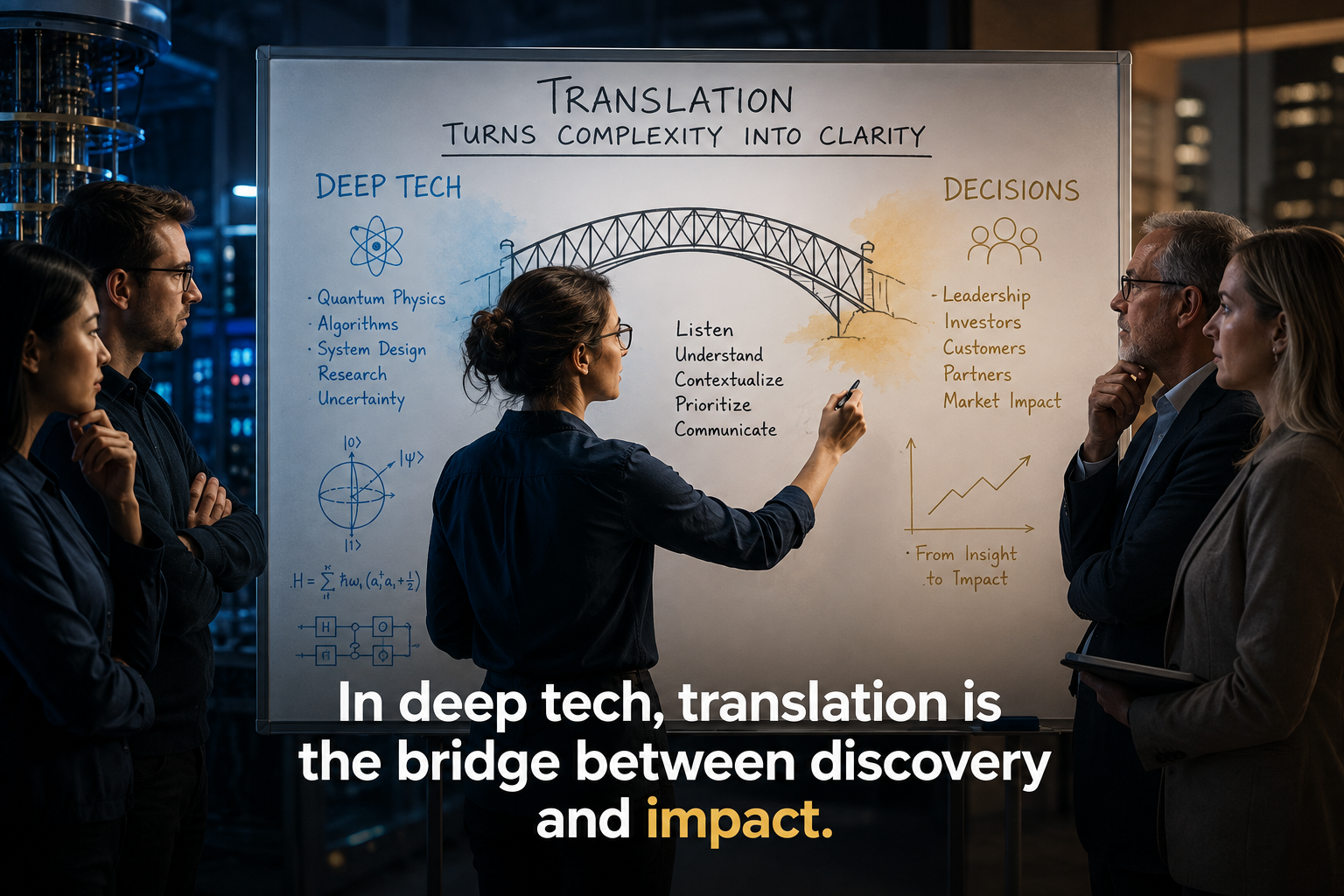
As someone deeply immersed in tech but not a quantum physicist, the natural question arises: How do we begin to understand and translate this wave of technological acceleration? It’s a daunting task, considering the complexity and novelty of quantum mechanics and its applications. But, despite its complexity, the relevance of quantum technology spans various sectors, from cybersecurity to medicine, making it crucial to get a lay of the land, however challenging that may be.
First, let’s frame things in a familiar context. Imagine quantum advancements as engine enhancements in a high-performance sports car. Traditionally, our best technologies, like classical computers, are like gasoline engines—reliable, understood, and highly developed. However, quantum technology is akin to a newly invented hyperdrive—it promises unprecedented power and speed, but it’s also complex, delicate, and requires a new understanding of its rules and maintenance.
Taking it one step at a time helps. Start with the basics: quantum mechanics principles, the concept of superposition, and entanglement. These are foundational elements, much like understanding how internal combustion works before you can tinker with or truly appreciate the engineering of a Formula 1 car.
Next, grasp the current advancements—like quantum error correction, a development that essentially allows quantum computers to check their work and reduce errors. Think of it as quality control in a manufacturing process, ensuring that the final product meets the desired standards. As investments grow, like the noted eight-figure commitment in Canada, it signals a robust faith in the trajectory of quantum technologies, encouraging educational forays into this next tech frontier.
Yet, with these strides, there’s an undertone of urgency. The rapid developments in the quantum field imply significant transformations on the horizon for various industries. For businesses, staying updated with quantum technology developments could be crucial for maintaining competitive advantages in the future. For us as individuals and enthusiasts, it broadens our horizons—opening up new questions, possibilities, and opportunities for innovation.
What’s crucial here, though, is not just keeping pace with technological change but understanding the implications of these changes. Engaging with these advancements critically ensures that as quantum technology develops, it does so in ways that benefit society broadly—balancing innovation with ethics, and power with responsibility.
Finally, this wave of advancements challenges us to remain curious and continually education-oriented. As quantum technology evolves, so too must our knowledge and strategies for engaging with it. Continuous learning becomes not just beneficial but essential.
I guess what’s most thrilling is not just watching this unfold but being part of the dialogue about what comes next. The quantum age isn’t just knocking on our door; it is letting itself in. Let’s be ready to greet it not just with awe but with a critical, understanding, and innovative mindset.