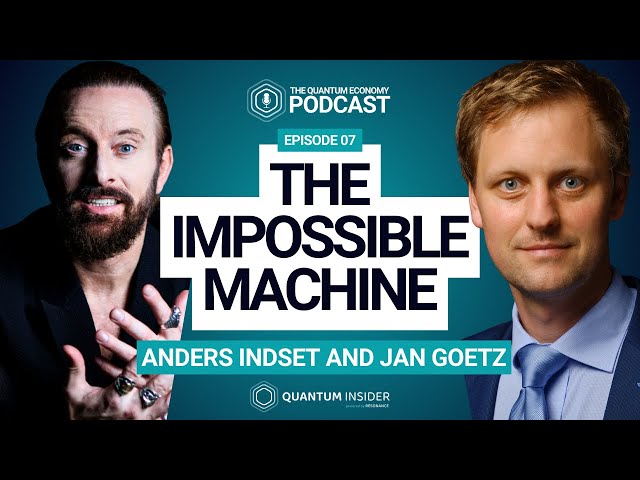
When diving into the deep and mystifying world of quantum computing, one might feel like Alice stepping through the looking glass into a reality where the normal rules of physics are bent and warped. Recently, I had the opportunity to reflect on an engaging discussion led by Yan Goods, co-founder and co-CEO of IQM Quantum Computers. The conversation eloquently moved from quantum computing’s current state to its impacts on future technologies, the economy, and even consciousness.
This video is from Anders Indset.
First, let’s address the intrinsic motivation rooted deeply in the fabric of science and entrepreneurship, as highlighted by Yan. Starting a business, especially in a field as complex and uncharted as quantum computing, demands an immense reservoir of intrinsic motivation. This drive stems not just from wanting to achieve personal goals but from a profound desire to push the boundaries of what’s known, to manifest the unknown into reality, for a purpose greater than oneself. The founders of IQM didn’t let the daunting prospect of commercializing quantum technology deter them. Instead, they recognized the necessity of transitioning from pure research into viable products that cater to both commercial and scientific communities.
The choice for IQM to focus on building full-stack quantum computers illustrates a strategic pivot essential for any tech startup: recognizing and then seizing the opportunity to commercialize. Like a chef choosing the right knife for the task at hand, a technology firm must select its focus carefully. Too broad, and you lose potency; too narrow, and you miss opportunities. IQM’s strategy demonstrates a fine balance, aligning deep scientific expertise with tangible products that herald a new era of computing power.
Speaking of products, one striking aspect of the conversation was the importance of a product mindset. Successfully transforming a scientific breakthrough into a product requires more than just ingenuity—it necessitates an understanding of the market, potential applications, and economic scalability. This mindset has propelled IQM not only to craft cutting-edge technology but also to envision and execute a business model that turns quantum advancements into marketable products, thereby attracting both investors and customers.
Reflecting further on the discussion, the moral and ethical considerations of technology use were especially poignant. Like the dual uses of a kitchen knife, technology can serve or destroy. Yan pointed out the necessity of continuing technological advancement while simultaneously crafting robust ethical frameworks to guide its use. This dual approach is the hallmark of responsible innovation, ensuring that as we advance technologically, we also preserve the values that underpin our society.
Another key takeaway is the critical role of leadership in steering such pioneering companies. The IQM team’s clear vision and strategic execution highlight what leadership in the quantum computing industry needs: a rare combination of technical prowess, market insight, and the audacity to lead change. This form of leadership doesn’t just manage resources but anticipates future challenges and steers the collective effort toward solutions that promise both innovation and sustainability.
In conclusion, my reflection on this fascinating discourse on quantum computing’s frontier technology underscores that we are not just on the brink of technological transformation but are also poised to redefine what’s possible in business, ethics, and even human thought. As we venture further into this quantum future, let’s continue to approach it with a mix of wonder and wisdom.