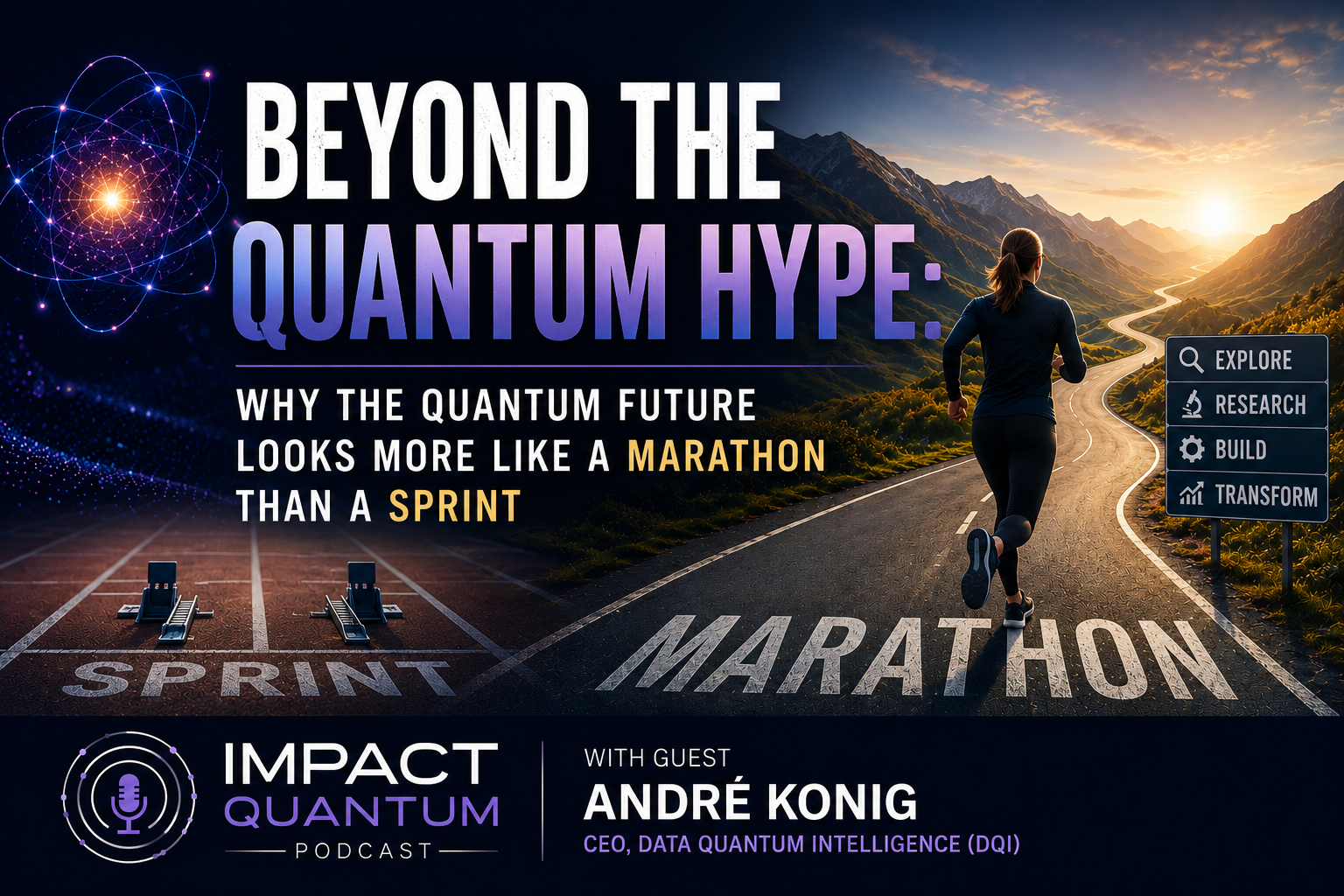
Quantum computing, often heralded as the next wave of innovation following artificial intelligence, plays with the tantalizing prospect of handling complex problems that are currently beyond the reach of classical computers. To explain just how game-changing this technology could be, let’s liken classical computing to driving on a single-lane highway, whereas quantum computing feels more like teleportation in comparison.
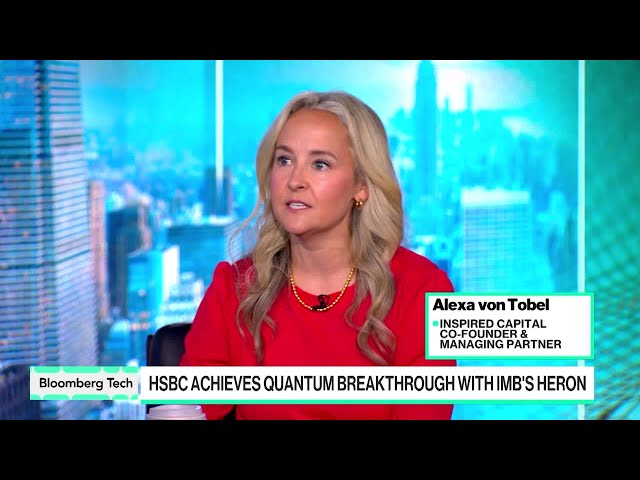
This video is from Bloomberg Technology.
The vision set forth by experts is compelling. They anticipate that within this decade, we’ll see significant strides toward building scalable quantum computers–machines that could boast upwards of 10,000 or even 100,000 qubits (quantum bits), as opposed to the relatively paltry number currently in existence. For context, whereas bits in classical computing operate as either 0s or 1s, qubits can exist simultaneously as both 0 and 1, opening doors to exponentially faster computations.
The potential applications of quantum computing are broad and profoundly impactful. Imagine revolutionizing the pharmaceutical industry where new drugs could be discovered more efficiently, or the financial sector where complex models can be processed in moments rather than days. Industry giants like IBM project quantum computers’ implementation into operational use by 2029, which speaks volumes about their ambition and faith in this technology’s future.
From an investment perspective, early-stage ventures in quantum computing are particularly intriguing. Despite high entry barriers and significant technological hurdles, the rewards could be staggering. As mentioned earlier, renting out quantum computing power could range from $10,000 to $50,000 per hour. This opens an entirely new model of business where innovations derived directly from quantum computational advances might continue to provide revenue streams long after the initial computation is complete.
One could argue that the company or individual that successfully develops a fully functional and scalable quantum computer could, virtually overnight, become a titan of industry—a modern-day equivalent to a major pharmaceutical giant like Pfizer, since the type and scope of problems quantum computing can solve have such critical implications for drug development.
But let’s not limit our gaze to just quantum computing; the scope of cutting-edge technology also stretches into the physical infrastructure interacting with advanced digital systems, what is often referred to as Physical Internet of Things (IoT). Here, the focus shifts to how devices, equipped with sensors powered by AI, can monitor and predict the needs of our physical infrastructure before issues arise, thus shifting from a reactive model to a predictive model.
Consider the advances in AI-enhanced observability, where simple yet sophisticated sensors can predict the falling of a utility pole, or detect leaks within water pipelines, potentially saving millions of gallons of water daily. These ventures not only represent technological innovation but also sustainability.
In essence, as we journey farther into the realms of quantum computing and enhanced IoT, we are not merely advancing technology; we are fundamentally reimagining how we interact with, manage, and understand the world around us. Be it the digital or physical landscape, the profound transformation beckoned by these technologies invites us to rethink and retool for a future that balances human ingenuity with the inexorable progression of technology.
We stand at the precipice of a new era, one woven with threads of unimaginable computational powers and an interconnected physical world that senses, understands, and reacts. It’s a future ripe with challenges but even richer in potential. As adventurers in this brave new world, let’s remain vigilant, adaptable, and, above all, curious.