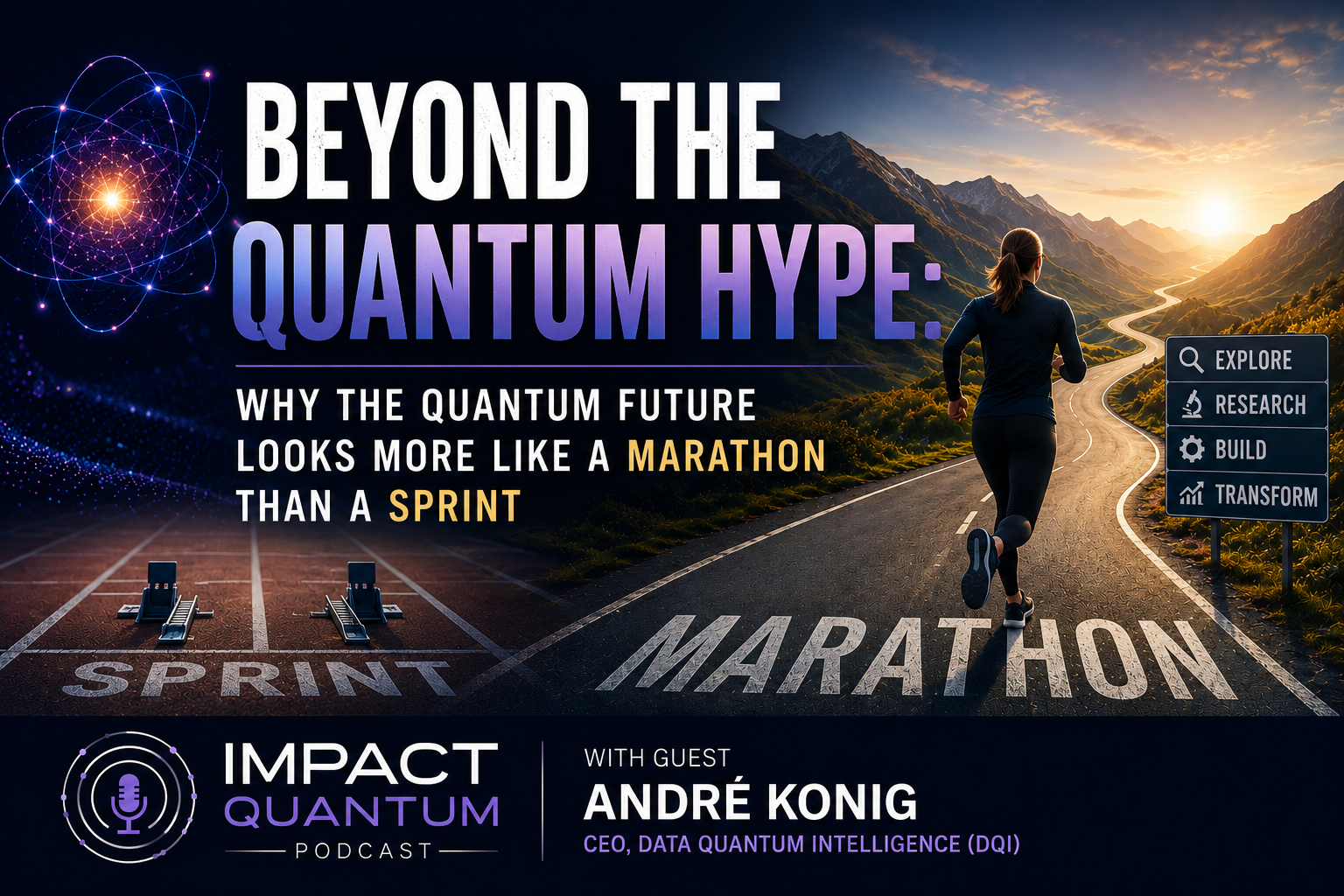
Quantum computing might be one of the most intriguing developments in tech today, but it’s also one of the most misunderstood. From sci-fi fantasies to skeptical dismissal, the conversation around quantum science is crowded with extremes and in a recent interview on the Impact Quantum Podcast, David Isaac, co-founder of Abacus, highlighted three major misconceptions that continue to skew public perception.
Misconception #1: Quantum computers will replace classical ones.
Let’s get this out of the way—quantum computers are not coming for your phone, laptop, or even the cloud. Classical computers are great at what they do: running apps, crunching spreadsheets, and streaming your favorite shows. Quantum machines, on the other hand, are designed for solving deeply complex problems, such as molecular simulations, financial optimization, and modeling uncertain systems. They aren’t replacements—they’re specialists. Think of classical computers as generalists, and quantum computers as the math nerds who solve the problems nobody else wants to touch.
Misconception #2: Quantum computers are useless today.
Indeed, today’s quantum machines are still in their early stages, small, noisy, and error-prone. But that doesn’t mean they’re doing nothing. We’ve entered what Isaac calls the “quantum utility” phase, where quantum systems are starting to match classical performance in certain areas. Early quantum systems are already being explored for financial modeling, anomaly detection, and supply chain optimization. Similar to the early internet, the value begins modestly and rapidly expands.
Misconception #3: Quantum computers are all-powerful.
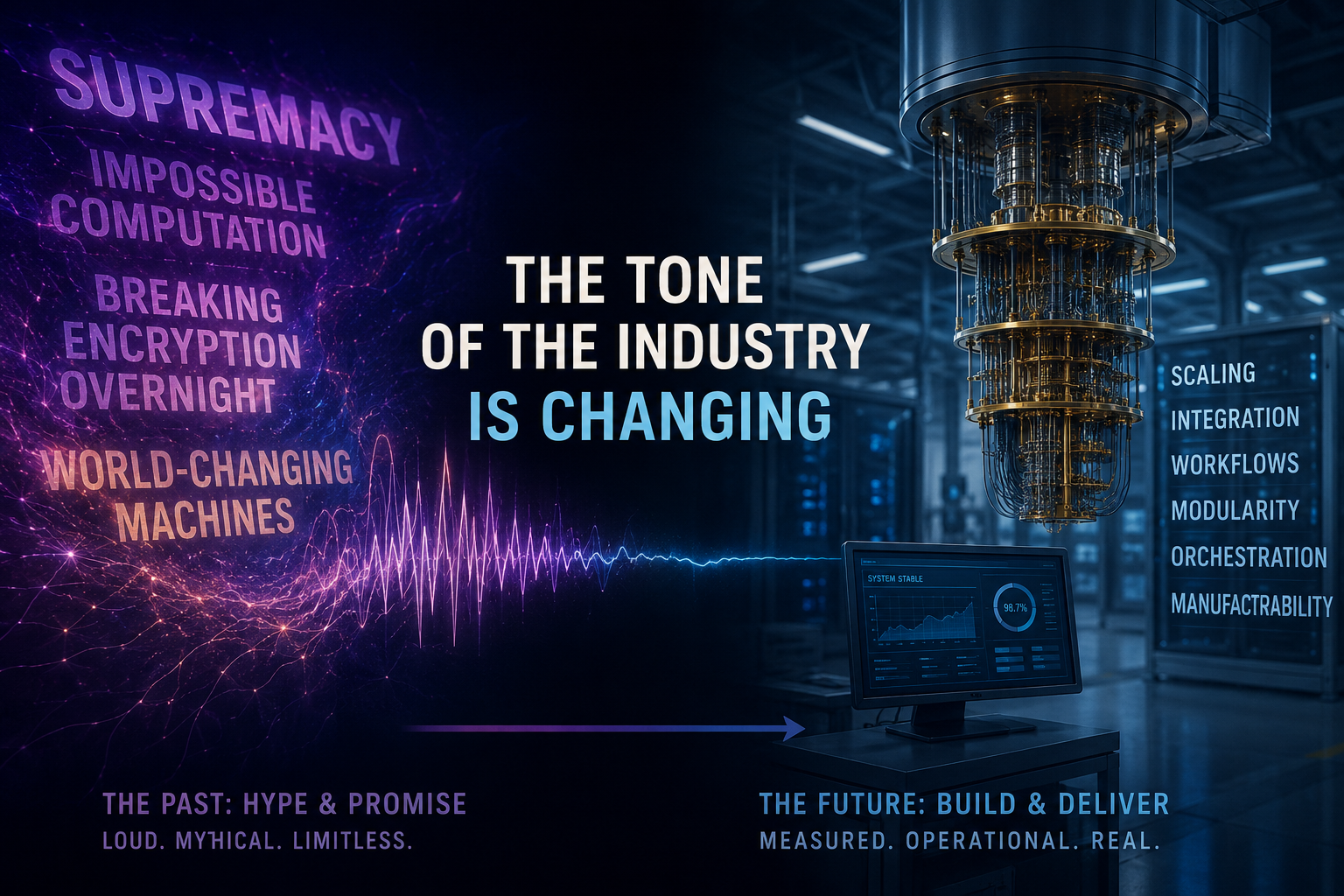
No, they won’t break encryption overnight or unlock all the secrets of the universe. Quantum computers are incredibly fragile and difficult to scale. They require ultra-stable environments, error correction, and specialized algorithms to operate effectively. They’re not miracle machines; they’re precision instruments.
Ultimately, quantum computing is not about replacing or glorifying. It’s about collaborating on both classical and quantum systems working together. The future isn’t about extremes. It’s about balance, nuance, and the quiet power of progress.
Quantum isn’t magic. It’s math—just turned up a notch.
Stay Connected
Follow our journey and be part of the conversation:
🔗 Find us on LinkedIn
📬 Join our mailing list
📺 Subscribe to our YouTube channel