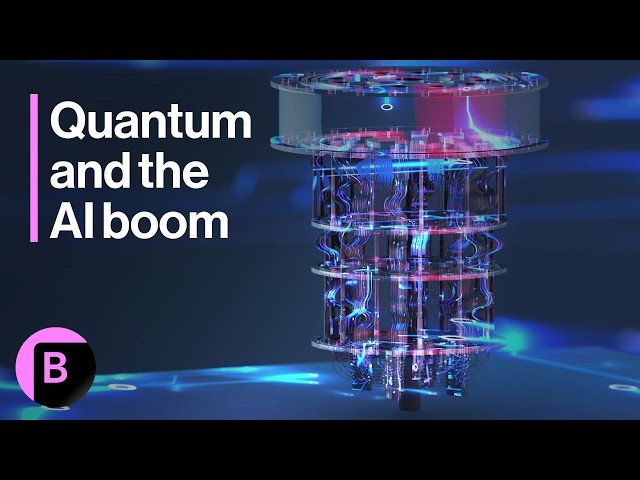
First off, quantum computing might sound reminiscent of something straight out of a sci-fi novel, and you wouldn’t be wrong to think so. It’s complex and incredibly powerful. Trapped ion technology, one aspect of quantum computing, involves manipulating single ions (charged atoms) with incredible precision to perform computations far beyond the capabilities of classical computers. Much like an artist placing precise strokes on a canvas, scientists manipulate these ions using electromagnetic fields.
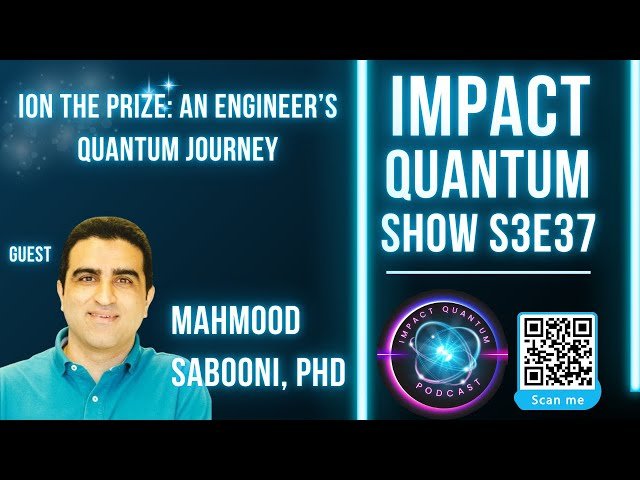
During a recent podcast, I had an enlightening conversation with a lead quantum processor engineer, which revealed some fascinating insights into the practical world of developing quantum technologies and the ethos driving some of the brightest minds in this sector.
This video is from ImpactQuantum.
What’s truly revolutionary here, and a touch philosophical, is the concept of open-source quantum computing. The notion here is to democratize access to quantum technologies, much like opening up the blueprints of a Ferrari engine to any hobbyist mechanic who dreams of building their car. This approach is geared toward accelerating innovation through transparency and collaboration, allowing people worldwide to both contribute to and benefit from the advancements in quantum computing.
Take Open Quantum Design, for instance. They are not just manufacturing quantum processors; they are revolutionizing the way knowledge is shared in the realm. They place all their designs on GitHub, freely available for any aspiring engineer or curious mind to explore, tweak, and use. This model has already invited collaborations from various entities and could significantly lower the barriers of entry into the world of quantum computing.
The conversation also delved into the concept of a “full stack” quantum computer. In tech terms, ‘full-stack’ often refers to a complete, end-to-end technology solution handling all layers of the architecture from the front end to the back end. In the realm of quantum computing, this refers to a system where everything from the high-level application down to the quantum bits (qubits) operates seamlessly together. It’s like having a car where the engine, transmission, exhaust, and turbocharger are all designed holistically to work perfectly in sync.
So, how are trapped ions different from other quantum computing technologies like superconducting qubits or photonic systems? Well, to continue our mechanic’s analogy, if different quantum systems were like different car engines (V8s, inline-4s, electrical motors), then trapped ions would be akin to a precision Formula 1 engine, operating with a level of finesse and control that is hard to match. They offer one of the most promising routes toward ‘universal quantum computing’ – capable of solving a broad range of problems by manipulating information under the rules of quantum mechanics.
One of the most mind-bending parts of working with trapped ions, as shared in the podcast, involves the sheer scale and precision. Imagine trying to position cars on a highway with the precision of nanometers; that’s every day in the world of trapped ion quantum computing.
While trapped ion technology continues to develop, it serves both as a tool for pushing the boundaries of fundamental science and a benchmarking tool to test and improve upon other quantum technologies. This drive toward an open-source framework could potentially set a new standard in tech development, where collaboration trumps competition, leading to faster breakthroughs and more robust technologies.
All these discussions lead me back to an essential pondering: the importance of accessibility in technology. By sharing knowledge freely, we invite more minds to solve complex problems, accelerating innovation and discovery. It’s a hopeful view of a future where technology serves all of humanity more equitably.