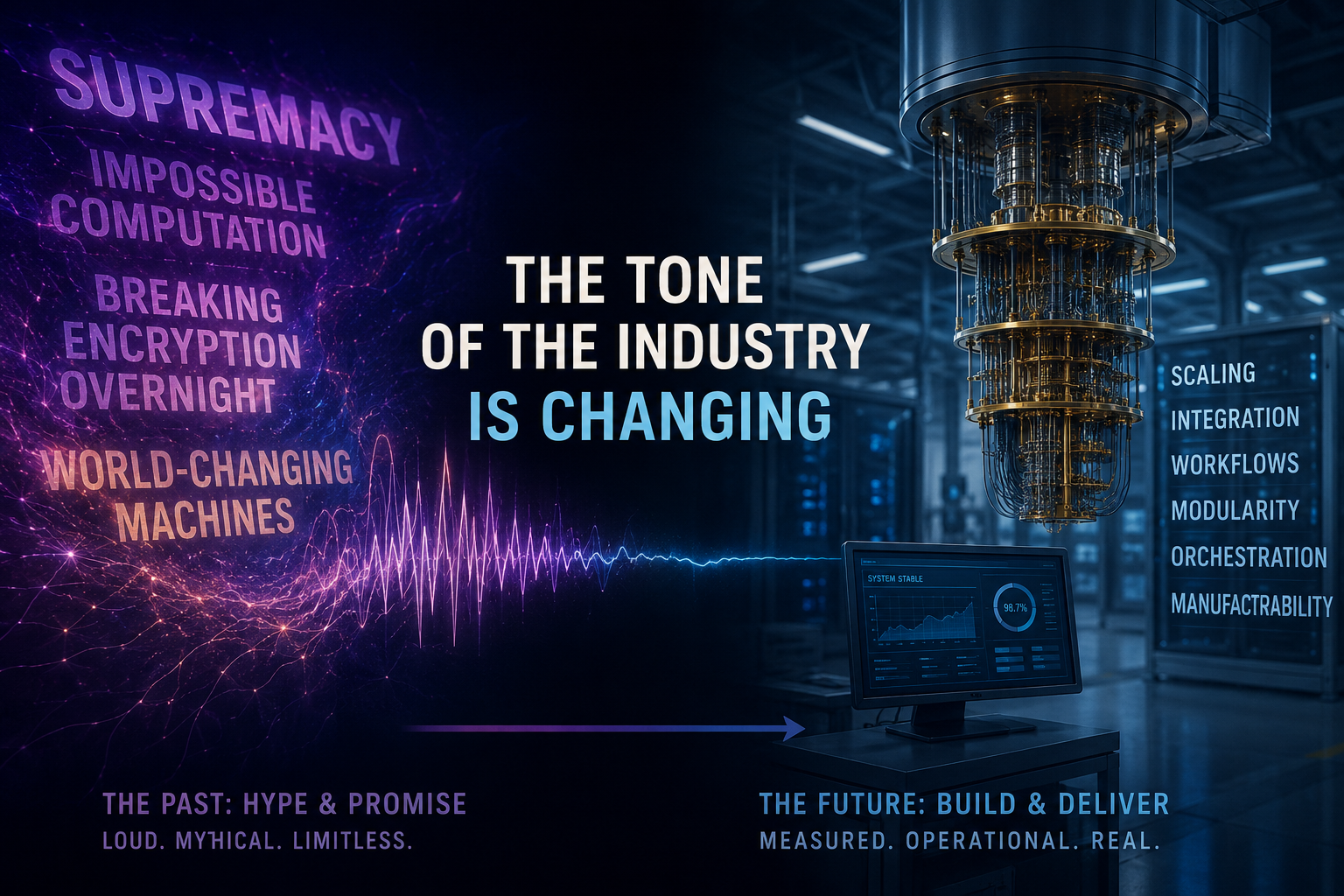
In the bustling world of tech, where the next big thing is always around the corner, it’s often tempting to get swept up in the whirlwind of hype and hyperbole. The recent spotlight on quantum computing is no exception, with sky-rocketing stock prices and bold claims about its potential. But as we delve into this subject, let’s try to clear the fog and focus on what’s tangible and what lies in the realm of near-future possibilities.
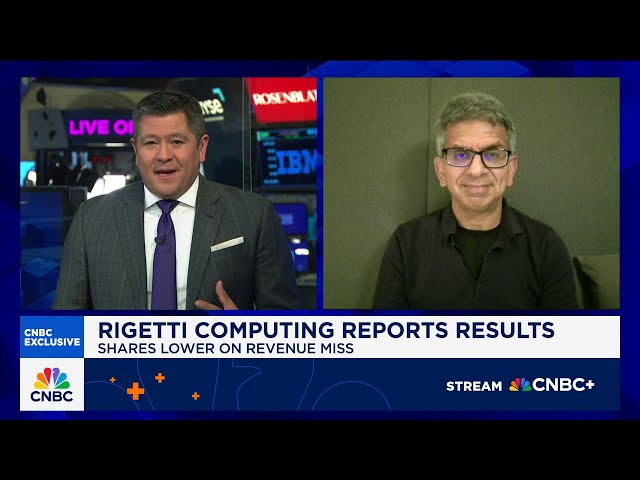
Let’s consider Regetti Computing, which, despite a recent miss on revenue, has seen an astounding 2000% stock increase over the last year. This rise underscores a broader market frenzy, stirred by advancements not just in quantum computing but also in AI. But such figures invite a natural skepticism: with minimal revenue and a hefty valuation, how do seasoned investors or intrigued observers begin to gauge the real value of shares in this sector?
This video is from CNBC Television.
Investing in quantum computing, as pointed out by Subode KC Carney, the CEO of Betti, demands a long-term perspective. Carney emphasizes that quantum computing has the potential to revolutionize how we process information by delivering speeds a million or even a billion times faster than today’s conventional computers while consuming significantly less energy. However, the reality is that quantum computing is still largely in the research and development (R&D) stage and not ready to replace conventional computing just yet.
This transformative potential is tied closely not just to raw speeds but to energy consumption—a hot topic given our current environmental challenges. The promise of quantum computing lies in its ability to perform significantly faster computations with drastically lower energy requirements. Carney suggests a strategic patience for investors, cautioning that immediate results in quantum computing will likely not be realized in the next quarter or even the next couple of years.
On broader horizons, conversations with industry stalwarts like IBM and partnerships like the one with Nvidia hint at a future where quantum computers won’t operate in isolation but in conjunction with conventional CPUs and GPUs. This hybrid computing ecosystem could be transformative, particularly for tasks involving large-scale simultaneous computations—areas where conventional technologies currently fall short.
The NVQ link, in collaboration with Nvidia, points to a future where quantum processing units (QPUs) are part of the standard data center setup. Here, each type of processing unit—CPUs, GPUs, and QPUs—will play to its strengths, addressing different computational needs. Quantum computing will thereby migrate from an esoteric, stand-alone technology to an integral player in complex computing environments.
Excitingly, despite quantum technology still being in its nascent stages, deals are being signed, not just with government entities but also with private sector innovators eager to tap into the early stages of quantum computing. These early adopters are not waiting for the technology to mature fully before exploring its capabilities—particularly in cloud environments like AWS or Microsoft Azure.
This proactivity is indicative of a broader trend in technology adoption: early engagement can potentially yield a significant competitive advantage, even when the technology is not yet ready for widespread deployment. It also hints at the collaborative efforts needed between researchers, commercial entities, and government actors to fully realize the promise of quantum computing.
In the end, while the buzz around quantum computing is justified to some extent by its potential, a prudent approach involves balancing excitement with realism. As we dive deeper into this technology in the coming years, we should remain vigilant observers, not just of the technological progress but also of the practical implementations and the collaborative frameworks that evolve around it.
So, let’s not get lost in the numbers game or dazzled by skyrocketing stocks without understanding what lies beneath. The journey of quantum computing from labs to real-world applications promises to be fascinating, offering a front-row seat to those willing to invest the time and thought.