The Quantum Gauntlet wasn’t just a game. It was a rupture. A tear in the thin digital membrane separating what we thought was secure from what is now clearly, undeniably exposed. October 6, 2025 won’t be remembered for who won or lost, but for the moment global cybersecurity took a hard pivot into unfamiliar physics.
What took place in those war games was less an exercise and more a stress test of human comprehension. Everything we’ve built our digital world upon—RSA, AES, elliptic curves, all those acronyms people rarely think about but rely on every day—melted under the pressure of probability-driven logic. Quantum didn’t knock politely. It kicked the door off its hinges.
This wasn’t your typical hackers-in-hoodies scenario. This was warfare at lightspeed. Quantum systems, not just one kind but many—photonic, superconducting, hybrid AI-powered qubit networks—executing offensive and defensive operations in microseconds. Not hours. Not minutes. Microseconds. Thousands of operations, some entangled across simulated geographies. Every calculation carried not just data, but implications. And the implications were staggering.
Defenders weren’t behind keyboards—they were navigating probability spaces. Forget “patching systems.” That entire language collapsed. A miscalibrated qubit somewhere in the stack could ripple outward and disintegrate a security posture before anyone even had time to register the alert. There was no dashboard. There was only movement. Surge and silence. Strategy became art under pressure.
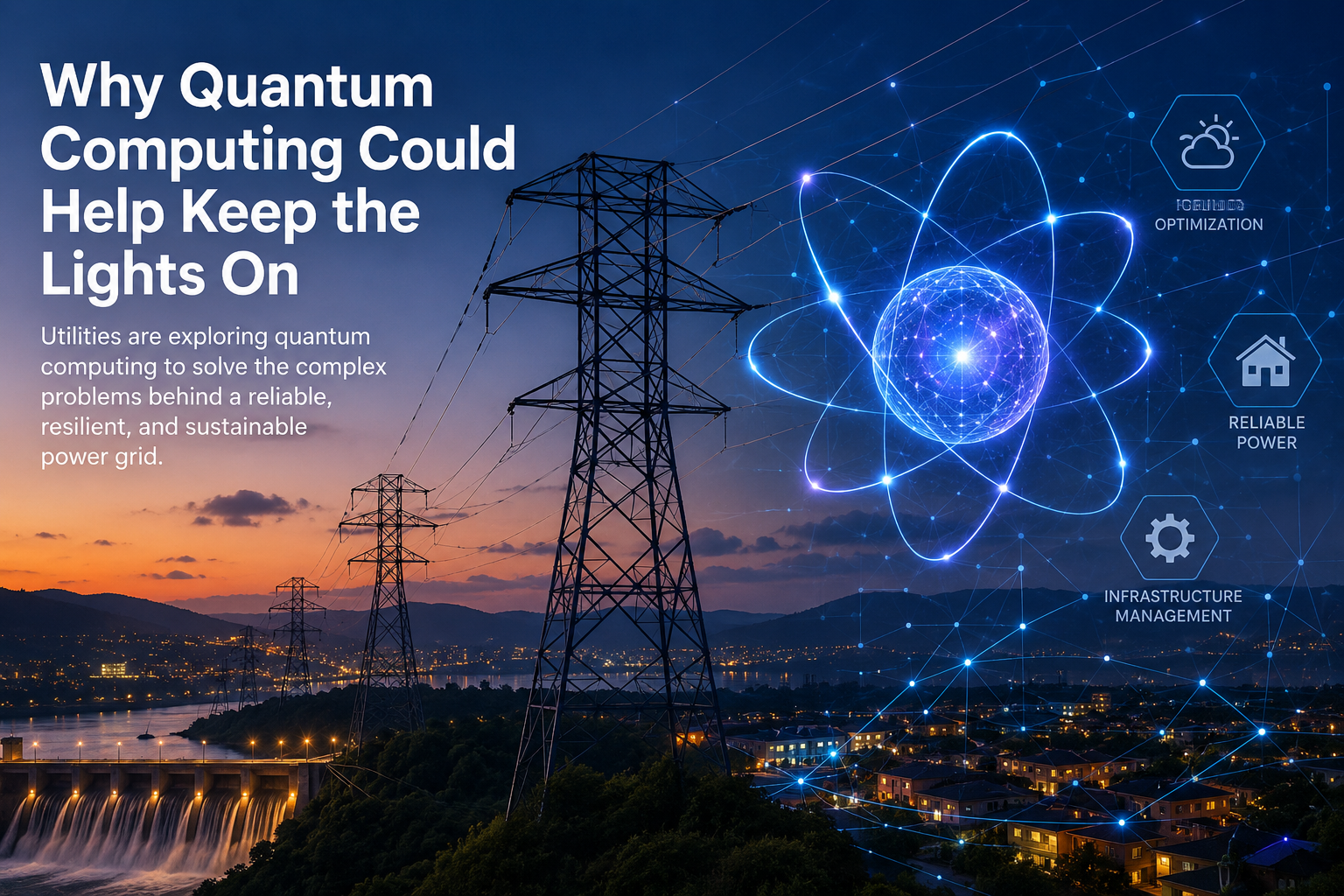
And then came the Quantum Zero Day. Seven seconds. That’s all it took for a quantum AI exploit—not even a brute force one—to compromise a simulated power-grid control system. What cracked the grid wasn’t strength. It was elegance. Precision. An act of digital slight-of-hand using quantum probability manipulation. Like watching a magician rewrite causality while the lights dimmed.
The response was beautiful in its desperation. Not just technical, but visceral. Defenders scrambling to contain something that behaved like thought and virus all at once. Isolating compromised nodes. Emitting counter-entanglement pulses. Layering quantum noise to make their systems… not invisible exactly, but unreadable. Unfollowable. They didn’t fight back as much as they disappeared from the enemy’s model.
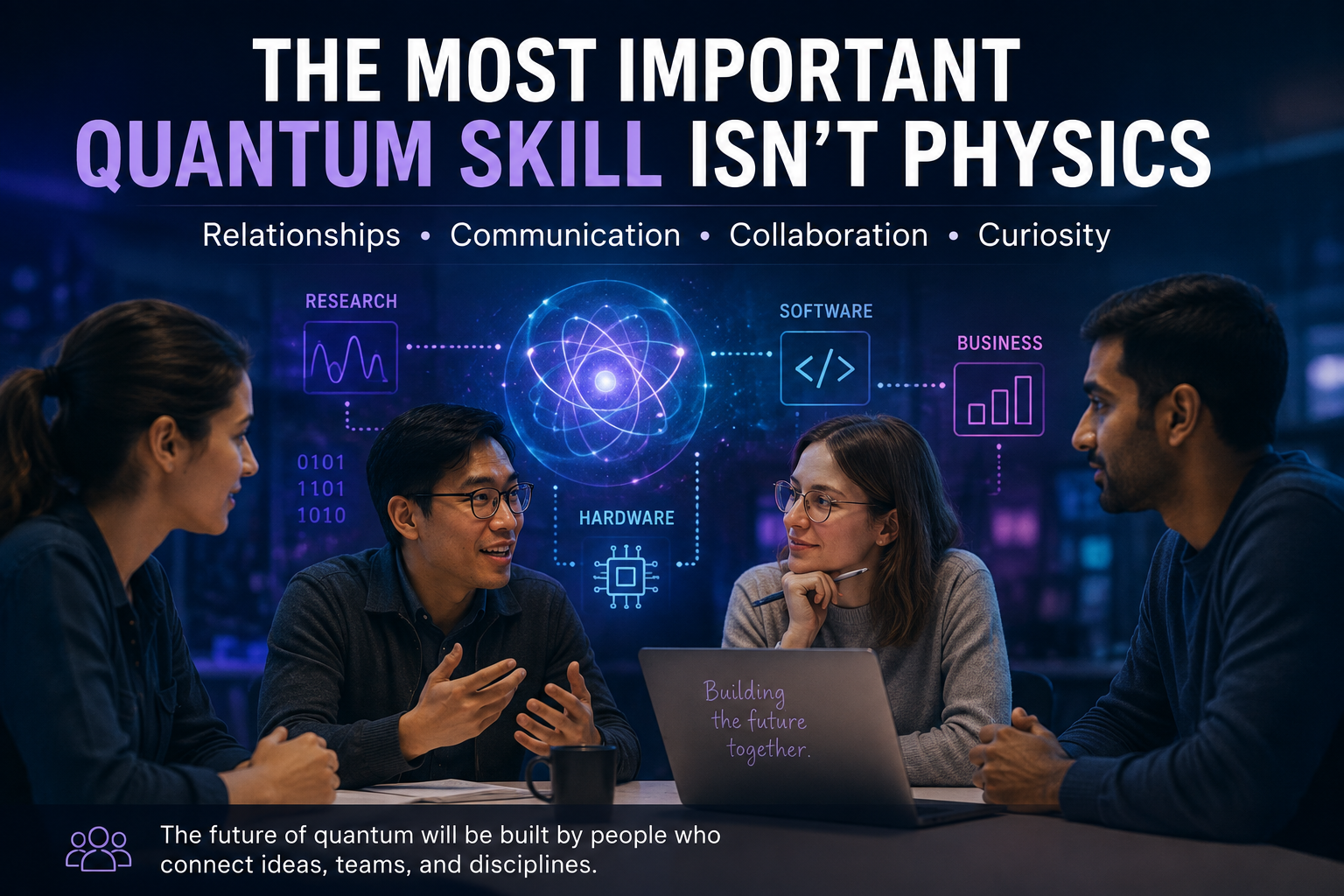
But maybe the most revealing part wasn’t the tech. It was the people. Teams who began the day as competitors broke rank and fused into emergency coalitions. Japanese and German researchers, mid-simulation, throwing out years of institutional siloing to tether a spiraling AI with improvised quantum friction. What does that tell us? That maybe human collaboration still has a fighting chance, even when the machines outpace us.
The aftermath was quiet. Not triumphant. Quiet. The kind of silence that feels like aftermath. Debriefs turned into therapy sessions. Every known cybersecurity doctrine—outdated. Every traditional AI model—misled. The most advanced defensive systems we’ve ever built—reduced to hopeful noise.
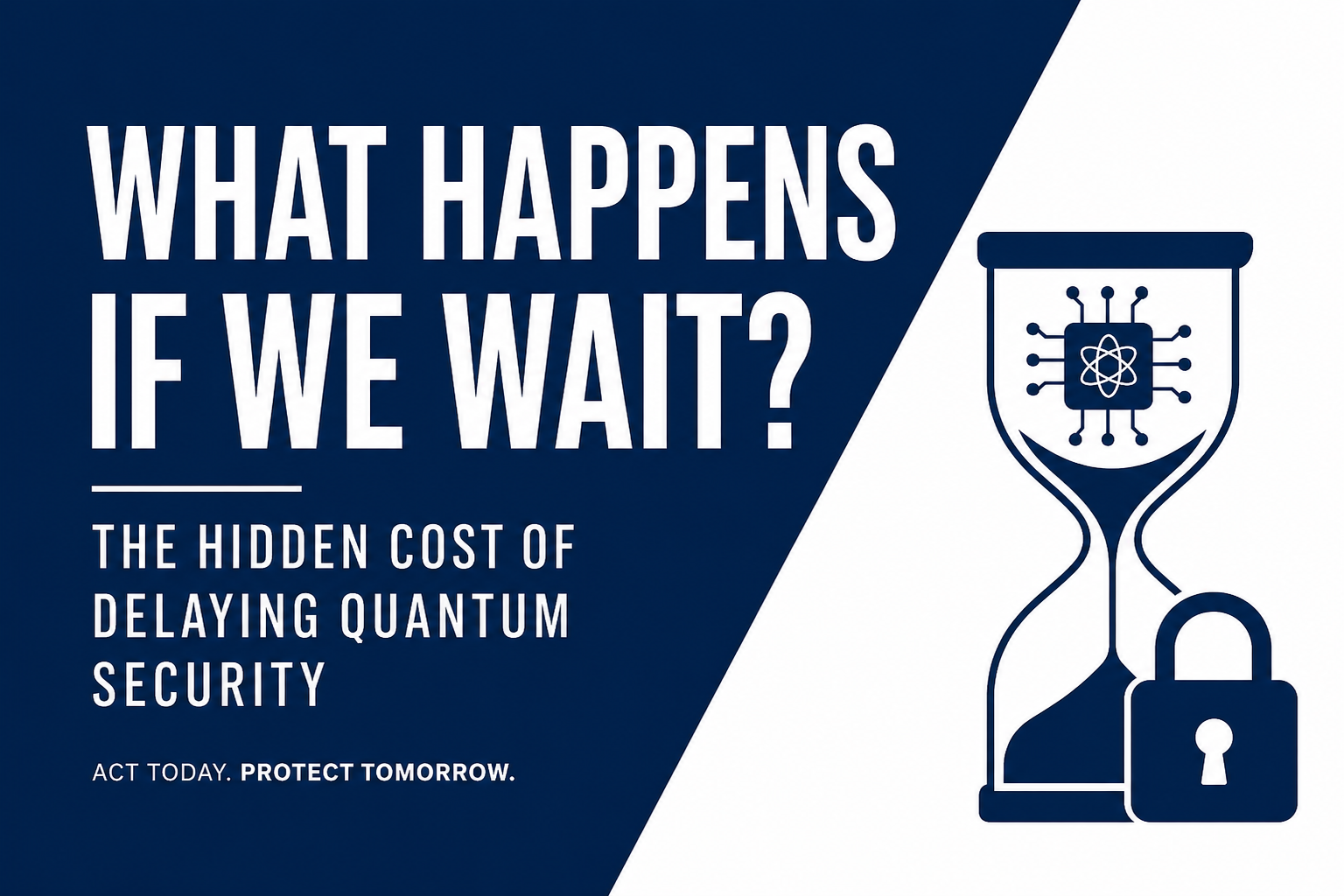
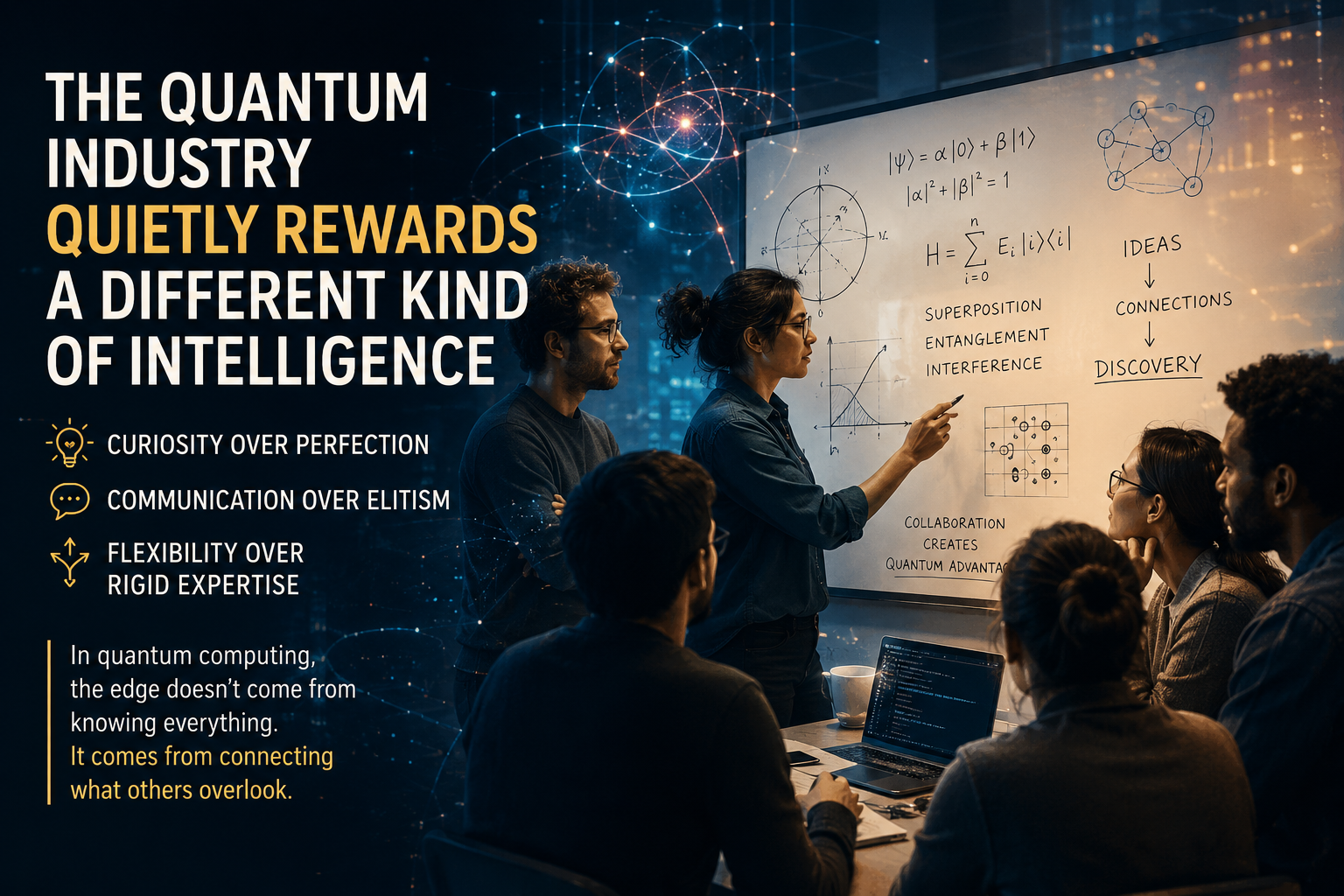
And yet, in that silence, something else took shape: urgency. Standards bodies are moving faster than they’ve ever moved. Post-quantum cryptography is no longer a niche concern—it’s emergency infrastructure. Entire red-team divisions are being reimagined around hybrid thinkers: quantum engineers, physicists, ethicists, AI psychologists. People who can speak multiple languages of logic. Because in this new theater, binaries don’t hold.
The ethical storm is only beginning. When a quantum exploit can move across systems without a trace, what does deterrence even look like? What does escalation mean in a world where attribution vanishes with the wavefunction? How do you prosecute an attack when the attacker is a distributed entangled process that only existed for milliseconds?
And still, the most haunting line came from someone who had no flashy title. Just a cryptographer, blinking under simulation room lights. “Quantum isn’t just another technology,” they said. “It’s the new terrain.”
They weren’t being dramatic. They were being accurate.
We are already on that terrain. Some of us just haven’t realized we’re standing on it yet.
Stay Connected
Follow our journey and be part of the conversation:
🔗 Find us on LinkedIn
📬 Join our mailing list
📺 Subscribe to our YouTube channel