Most of the online world we trust every day, including banking, health records, national security, and everyday communication, depends on math problems that are extremely hard for today’s computers to solve. That difficulty keeps our information safe.
Quantum computers are changing the rules. They may soon be able to crack the math behind today’s encryption. This is why a brand-new industry is exploding: quantum cryptography startups. These companies are working to build security that even quantum computers cannot break.
Why Experts Worry: The “Quantum Apocalypse”
Security researchers use a dramatic nickname for this future threat: the Quantum Apocalypse. This means that once powerful quantum computers exist, they could break most of the encryption we use today.
Two famous quantum algorithms are at the center of this concern.
1. Shor’s Algorithm
Shor’s Algorithm could break the math behind the encryption that protects secure websites, digital signatures, and banking systems. With a sufficiently powerful quantum computer, keys protected by RSA or ECC could be unlocked in hours.
2. Grover’s Algorithm
Grover’s Algorithm does not fully break encryption, but it significantly weakens certain types of security by accelerating the search for the correct key.
Why this matters
Governments and hackers are already storing vast amounts of encrypted data today. When quantum computers become powerful enough, they could go back and decrypt everything. This is called Harvest Now, Decrypt Later.
Experts believe this could become possible within five to fifteen years. This is why companies and governments are acting now.
The Rise of a New Industry
Quantum cryptography once lived only in university physics labs. It is now becoming a global business. Startups around the world are racing to build the next generation of secure communication.
There are two main approaches.
1. Quantum Key Distribution (QKD)
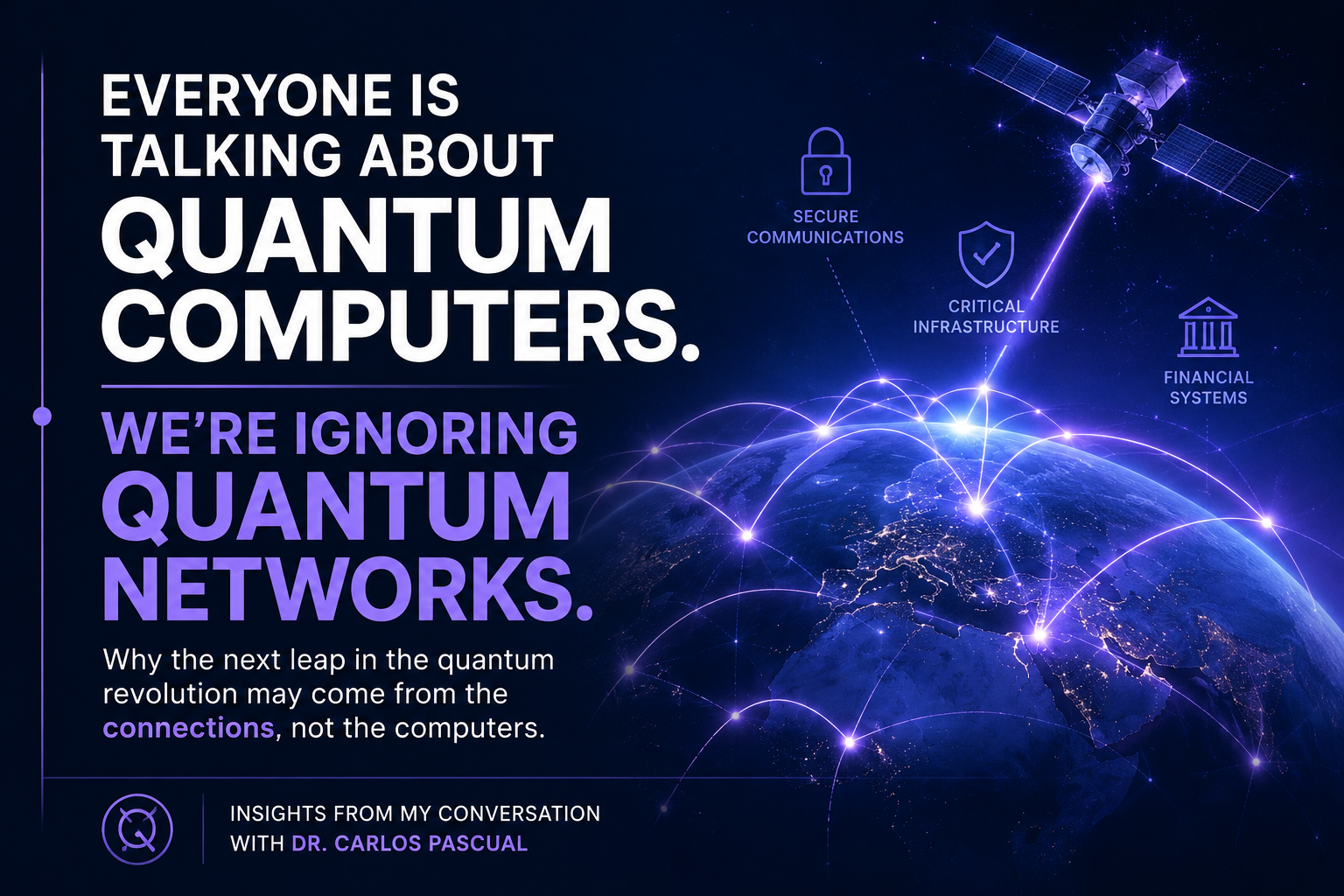
QKD utilizes quantum physics to exchange encryption keys via particles of light. The exciting part is that if anyone tries to intercept the key, the quantum signal changes. This instantly alerts the users.
QKD is secure due to the laws of physics, not because of mathematics.
Advantages:
- Nearly impossible to hack
- Instantly detects eavesdroppers
Disadvantages:
- Requires special hardware such as lasers and detectors
- Works only over limited distances
- Can be expensive
Companies such as ID Quantique and QuantumCTek lead in this field.
2. Post-Quantum Cryptography (PQC)
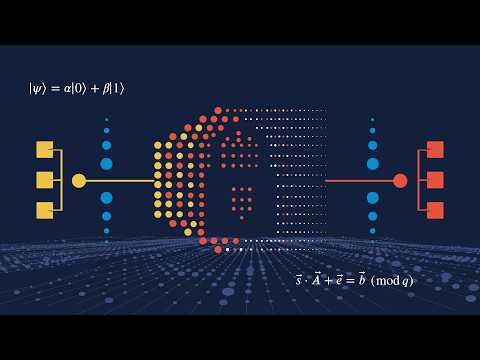
PQC takes a different direction. Instead of using quantum hardware, it creates new types of math that even the most advanced quantum computers cannot solve efficiently.
The best part is that PQC can run on the computers we already have. Companies can upgrade their security simply through software updates.
The United States’ NIST agency is selecting official PQC algorithms for global use.
Advantages:
- Easy to deploy
- Does not need special hardware
- Works at global scale
Disadvantages:
- Keys are larger
- We assume quantum computers cannot break the math, but we cannot prove this
A Look Inside a Quantum Crypto Startup
A day inside a startup working on quantum security feels very different from a typical software company.
In QKD labs, teams work with
- Lasers and photon detectors
- Optical circuits that need careful alignment
- Experiments that test how far a quantum signal can travel
In PQC companies, teams focus on:
- Testing new algorithms
- Adding quantum-safe encryption into web browsers, VPNs, and cloud services
- Building hybrid systems that mix old and new encryption during the transition period
Both types of startups aim to create a secure digital world that will hold up even when quantum computers are everywhere.
Why Investors Are Paying Attention
Investors see that this market is about to grow very quickly.
- The quantum cryptography market is worth 634 million dollars today
- It is expected to grow to more than 11 billion dollars by 2033
- This is a very high growth rate
- North America currently holds the largest market share
Governments are also involved. The United States National Security Agency has already advised organizations to prepare for PQC. NIST is developing official quantum-safe standards. This clear direction is speeding up adoption.
What This Means for the Future
Quantum security will affect many parts of our lives.
In healthcare
Quantum-safe systems can protect patient records and clinical trial data.
In finance
Quantum random number generators can generate truly unpredictable encryption keys for banking and blockchain applications.
In consumer technology
Phones, smart devices, and cloud services will eventually utilize PQC to maintain security.
The big picture
A quantum-safe world is not just about fixing a problem; it’s about creating a new one. It is about building a stronger digital foundation for everything we will rely on in the future. Startups working on quantum security today are building the tools that will protect all of us tomorrow.