Imagine a world where the methods we currently use to secure our data become obsolete, not next decade but perhaps unexpectedly within the coming few years. Quantum computing is not just a distant whisper in a far-off future; it’s already cascading into present realities with potential to remodel industries ranging from finance to energy.
Recently elevated as a strategic national priority, quantum computing has caught the attention of global governance. President Trump, significant in this technological narrative, has issued orders to fast-track its development. These actions underscore quantum technology’s potential as both a catalyst for unprecedented innovation and as a harbinger of new challenges.
Based on content from Moody’s
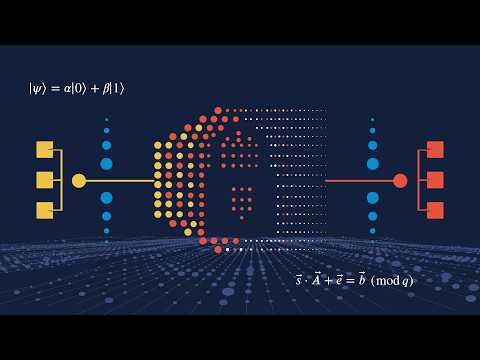
But what really is quantum computing? At its heart, this technology accelerates processing by a method implicating the sheer subatomic ether beyond traditional binary. Imagine calculations that once took years reduced to minutes, an intoxicating capacity with the power to transform how products are created, how new medicines are discovered, how energy problems are solved. This sounds like an upland pasture until one glances at what lies beneath: a shadow—a spectrum of new vulnerabilities.
For sectors entrenched in digits, this quantum leap means an evolution of productivity and capability. However, one can’t ignore the looming upheaval in data privacy. As analyst Leroy Terrelonge from Moody’s Ratings poignantly suggests, this dawn also signals an erosion of the encryption algorithms we’ve trusted for so long. The threat becomes even more vivid when considering how quickly we may be overtaken; large corporations foresee this reality materializing as early as 2029, if not sooner.
With complexities of such magnitude, it’s essential to actively prepare for this paradigm shift. Acknowledging the core tension between potential progress and towering risk is where the narrative unfolds. Organizations face a major pivot toward resiliency—investing heavily in transitioning to post-quantum cryptography and towards securing what will soon be open floodgates of information.
Yet, one might wonder, with all this rush toward quantum security, what becomes of those left behind, unprepared? Here lies the balance of anticipation and urgency, where decisions today sculpt tomorrow’s landscape. In this digital era, the necessity to prioritize cybersecurity cannot be overstated.
Could this be likened to standing on the precipice of a great technological renaissance? Yes, but with the gravity of responsibility as steep as the enthusiasm. As a society tethered increasingly to digital fates, we must ask: Are we ready for the quantum evolution? And perhaps more crucially, how do we navigate the impending intersection of innovation and chaos?
In a time where foresight is as valuable as the technology itself, each decision builds the foundation for an interoperable and secure digital universe. The conversation around quantum computing, one of overwhelming promise but undeniable risk, invites continued exploration and vigilance.
—