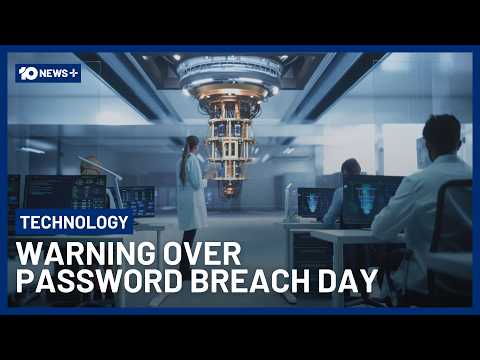
As dawn breaks on a world where our reliance on digital fortresses is unwavering, imagine the horizon of a day where every password becomes a relic and every lock we’ve come to trust in the digital realm suddenly unlocks. This isn’t a scene from a science fiction novel. It’s a real scenario cybersecurity experts predict with increasing urgency, propelled by the enigmatic and mesmerizing frontier of quantum computing, an era referred to succinctly as “Q-Day.”
Based on content from 10 News
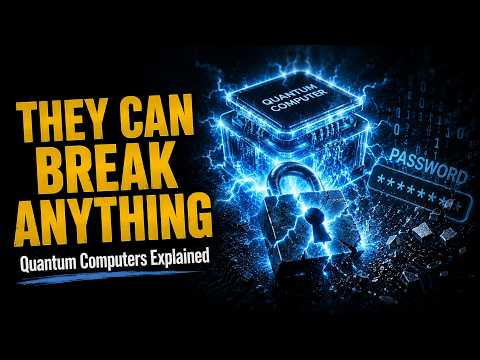
Why Q-Day? It’s the day when quantum computers leap from theoretical marvels to reality, wielding the capability to decrypt with speeds that reduce current security systems to mere toys. This isn’t just turning the key in one lock—it’s the master key that threatens everything from your bank statements to national secrets.
It’s tempting to see quantum computing through rose-colored glasses—its potential to revolutionize medicine, eradicate diseases, and forecast weather with unprecedented accuracy is awe-inspiring. But just beneath the surface lies a paradox. In this same breath of progress, quantum computing wields the power to unweave the digital tapestries that guard our most precious information.
For many, encryption is the invisible net that sways just out of sight, yet it is the quiet guardian against chaos. When we mention encryption, we talk about mathematical fortresses guarding our digital exchanges. Traditional computers rely on binary, crunching digits one at a time. Quantum computers, however, speak the language of qubits, capable of simultaneous calculations, rendering them exponentially powerful against today’s encryption algorithms.
The thought is unsettling—what does it mean to have no digital sanctuary? As we sleep or go about our daily routines, a digital revolution brews, one not without its counterforces. Just as lightning invited the power of harnessed electricity, Q-Day invites us to build new shelters. Researchers in cryptography race against time, inspired and intimidated in equal measure, crafting structures of quantum-resistant algorithms—solutions that crouch at the edge of becoming.
Could we posses an inconspicuous melding of fear and faith in how we approach Q-Day? This question invites more reflection than proclamation, where each consideration is a prayer for understanding, for balance. The transition invites not just engineers and scientists but all of us to ponder the ethical, economic, and personal ramifications of such seismic shifts.
Critics argue that worry over quantum-enabled decryption instills more fear than progress. They suggest striving for stronger systems will only yield an arms race of computational power, leaving the essence of human innovation behind. While their cautionary notes are valid, embracing change doesn’t mean unshielded acceptance. Instead, it’s preparation with anticipation, curiosity tinged with prudence.
As we continue this intricate dance, it is not with resignation but with resolve. The resonance of this new quantum epoch implores us to listen deeply. To build with foresight. To remember that at the heart of every technological advancement lies the silent pulse of human intention.
What does this mean for us? Perhaps it is the call to pay closer attention—to invite scrutiny into how we secure our worlds and how we connect with each other in this brave new digital age. A challenge to ensure that as we touch this new era, we do so with an awareness that transcends the confines of technocratic boundaries.
Q-Day might quietly announce itself like the slow arrival of dawn, but what it may quietly herald is a nighttime to prepare not for a world where gates are thrown open but for the illumination of new ways to guard what we cherish. What will you do in anticipation of this horizon?
—