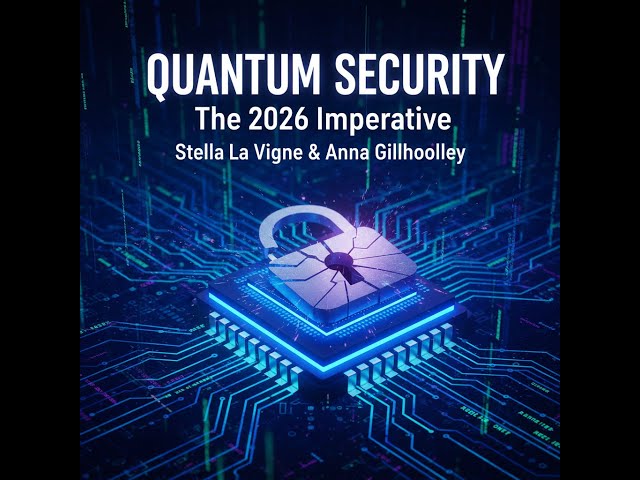
Imagine waking up to a world where the very essence of your personal and professional secrecy is compromised—where digital locks designed to safeguard your data are picked clean by a revolutionary new master key. This isn’t a clip from a dystopian movie; it’s a potential reality driven by the rapid advances in quantum computing. And 2026, as you may have heard, is marked as the year dedicated to fortifying our digital defenses against such futuristic threats. It’s officially the year of quantum security.
Recently, quantum computing has leapt from the pages of science fiction into the boardrooms and national security agendas of real-world powers. What was once largely academic has rapidly morphed into a direct matter of securing our digital future. Quantum computers, with their ability to solve specific problems at devastatingly fast rates, pose a formidable threat to our traditional ways of data encryption. We rely heavily on cryptographic systems grounded in mathematical complexities that are tough for classical computers to crack. Quantum computing, however, could soon render these protections obsolete.
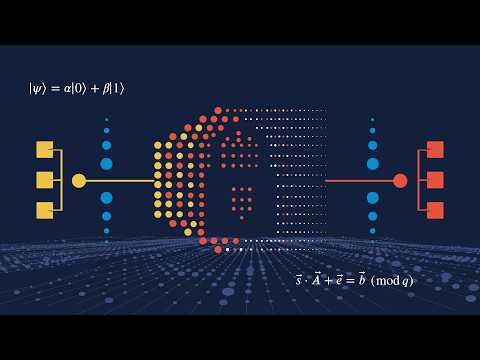
This video is from ImpactQuantum.
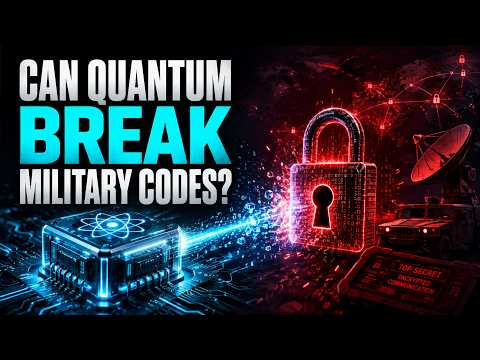
Imagine your digital safety as a fortress armed with the most intricate locks. Traditional cryptography resembles those complex locking mechanisms, incredibly secure against conventional attacks. Yet, what happens when an adversary wields a key engineered to bypass these defenses effortlessly? That’s the quantum threat—akin to having a master key that could unlock every door you thought safely closed.
One of the biggest buzzing alarms in this conversation is the “harvest now, decrypt later” strategy. Here’s the deal: the data we encrypt today, thinking they’re secure, could be harvested by adversaries and then stored until the day a sufficiently powerful quantum computer can break them open. This isn’t a distant future concern; it’s a present-day strategic move that demands immediate and comprehensive countermeasures.
This pivot to quantum readiness isn’t merely about upgrading our current security systems but fundamentally rethinking them. Enter post-quantum cryptography (PQC), designed to withstand the onslaught of both classical and future quantum computing powers. The transition to PQC isn’t just a tech upgrade but a massive overhaul of existing digital infrastructures. Picture a scenario where every digital pathway, every node in your vast organizational network, must be rethought, tested, and fortified.
This urgency isn’t just theoretical. Industries steeped in sensitive data like finance, healthcare, and defense are already on the front lines, revamping their systems. The stakes are unimaginably high—fail to adapt, and you risk monumental breaches that could lead to staggering losses, both financial and reputational.
But it’s not only about converting to quantum-resistant encryption. Protecting a burgeoning world of quantum technology and its outputs becomes equally crucial. Think of it as securing the golden eggs along with fortifying the basket. The intellectual property around quantum innovations constitutes a goldmine for any adversary. Thus, securing these would involve more than encryption; it demands rigorous governance, risk management, and robust collaboration frameworks.
As I’ve mulled over these thoughts, influenced by a deep dive into the realms of quantum discussions, it becomes evident that the journey to 2026’s quantum-resilient world is monumental. It’s not a solo voyage but a collective maneuver requiring global cooperation and foresight. With countries across the globe pooling resources and intelligence, the international quest to fortify our digital defenses is no longer just a necessity but a race against time.
This evolving narrative around quantum computing and security isn’t just about staying technologically competitive. It’s about safeguarding the essence of our digital identities and corporate secrets against an unprecedented wave of potential quantum disruptions. As industries and governments align their policies and strategies, the scale of adaptation required is nothing short of revolutionary.
As we steer through this transformative epoch, the question isn’t whether quantum computing will redefine the landscape of digital security. The question is, how swiftly and efficiently can we adapt? The discourse around quantum security isn’t just professional; it touches upon the core of our personal digital vulnerabilities as well.
Stay tuned, stay informed, and above all, stay proactive in fortifying your digital realms as we tread into this novel quantum era. The journey is intricate, collaborative, and, most definitely, ongoing. Navigating it effectively will determine the security of our digital tomorrows.