This MIT experiment is a mic-drop moment in physics—subtle, stunning, and quietly shattering old assumptions.
Here’s what makes this so astonishing: for years, the “spooky action” Einstein disliked felt like a parlor trick—a useful prediction tool but not quite “real” in the everyday sense. Classical physics always kept one eye open for loopholes, like a skeptic at a magic show whispering, “There’s gotta be a wire or mirror somewhere.” Hidden variables, flawed detectors, timing tricks—something must explain it.
But now? That door has effectively slammed shut. Using light from ancient quasars—billions of years old—as the cosmic dice roll to determine measurement settings? That’s not just clever. That’s poetic. That’s strategy meeting silence. No last-minute causal influence could sneak in. If hidden variables did coordinate this outcome, they would have had to do so before Earth even existed.
This is more than validation of quantum weirdness. It’s an ontological nudge. The entanglement isn’t just a bug in the code—it may be the code. The implication is that information doesn’t travel between entangled particles in space and time—it simply is, shared in some deeper layer of reality.
This experiment also shifts the tone of scientific authority. It suggests that certainty in science doesn’t always arrive with a bang. Sometimes, it’s a quiet erasure of doubt—no drama, no explosions, just light from ancient quasars whispering, “The universe is stranger than you know.”
Why it matters for more than physicists:
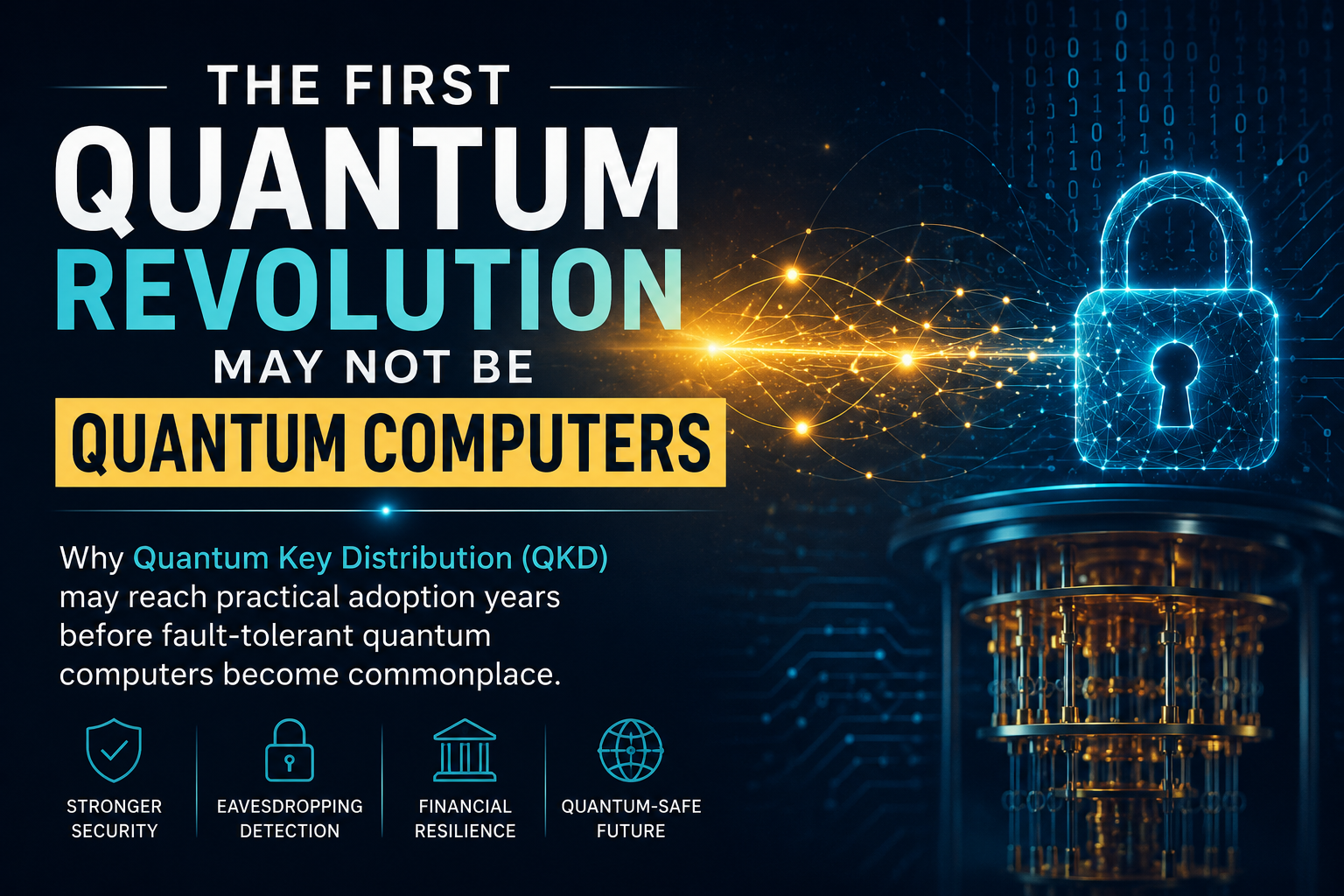
- For quantum tech, this bolsters secure communication channels immune to classical eavesdropping. It means real-world quantum cryptography just got more viable.
- For philosophers, it deepens the debate about locality, realism, and the role of the observer.
- For anyone neurodivergent, anxious, or chronically skeptical of simple binaries, this experiment offers something validating. Reality, like people, doesn’t always obey neat logic or linear cause-and-effect. There’s entanglement—connection without proximity, meaning without mechanism.
So what MIT has done here isn’t just a test. It’s a message:
Certainty is overrated. Interconnection is real. And sometimes, silence—the space between stars—is the loudest proof.
Would you like a simplified breakdown of how the experiment worked, or would you like to explore what this means for the future of quantum computing and communication?
Stay Connected
Follow our journey and be part of the conversation:
🔗 Find us on LinkedIn
📬 Join our mailing list
📺 Subscribe to our YouTube channel