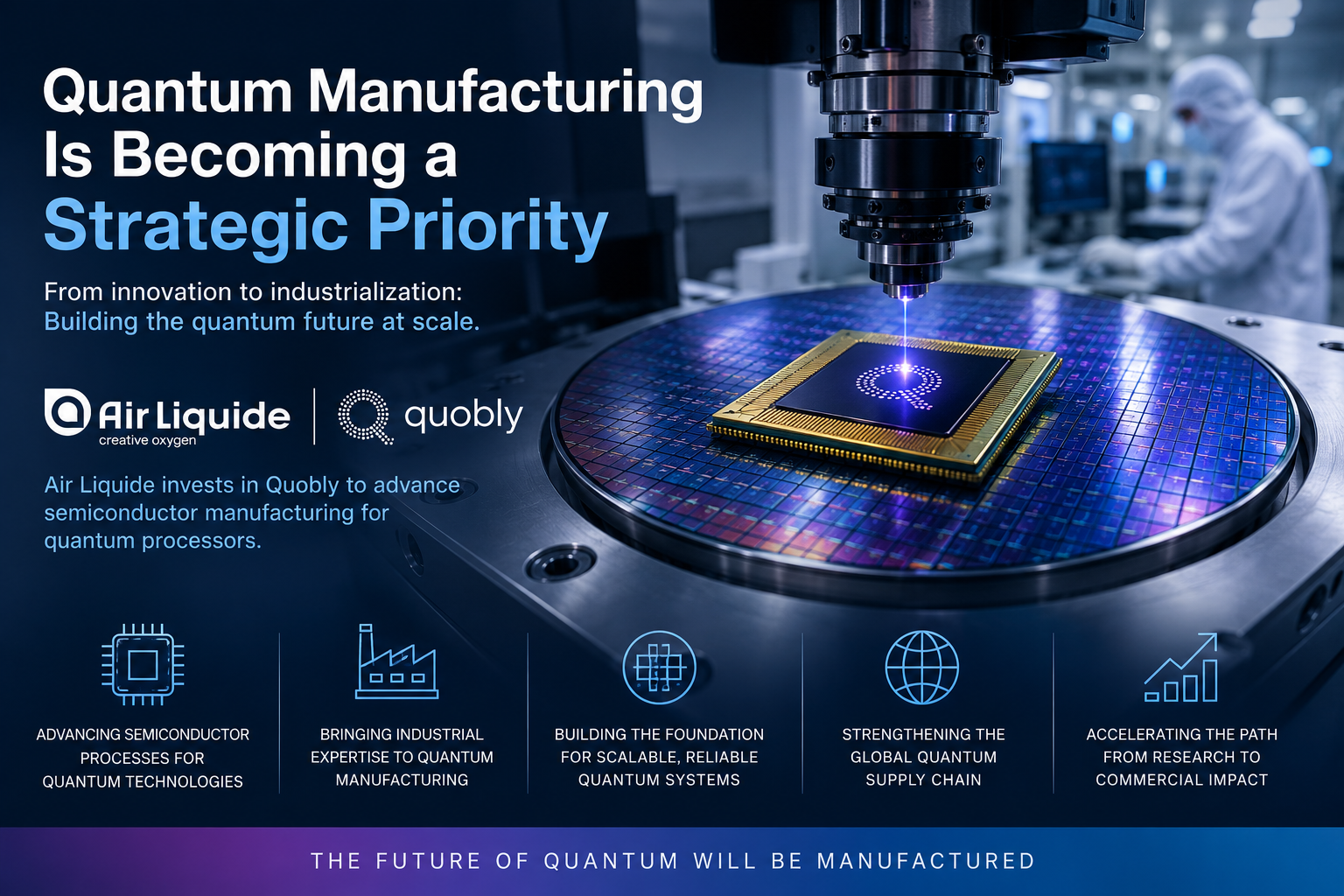
In a bold move that underscores how rapidly the quantum computing industry is evolving, IonQ Inc., a U.S.-based quantum computing company, announced its agreement to acquire SkyWater Technology, a chip manufacturer, for approximately $1.8 billion in a combination of cash and IonQ stock, priced at $35 per SkyWater share.
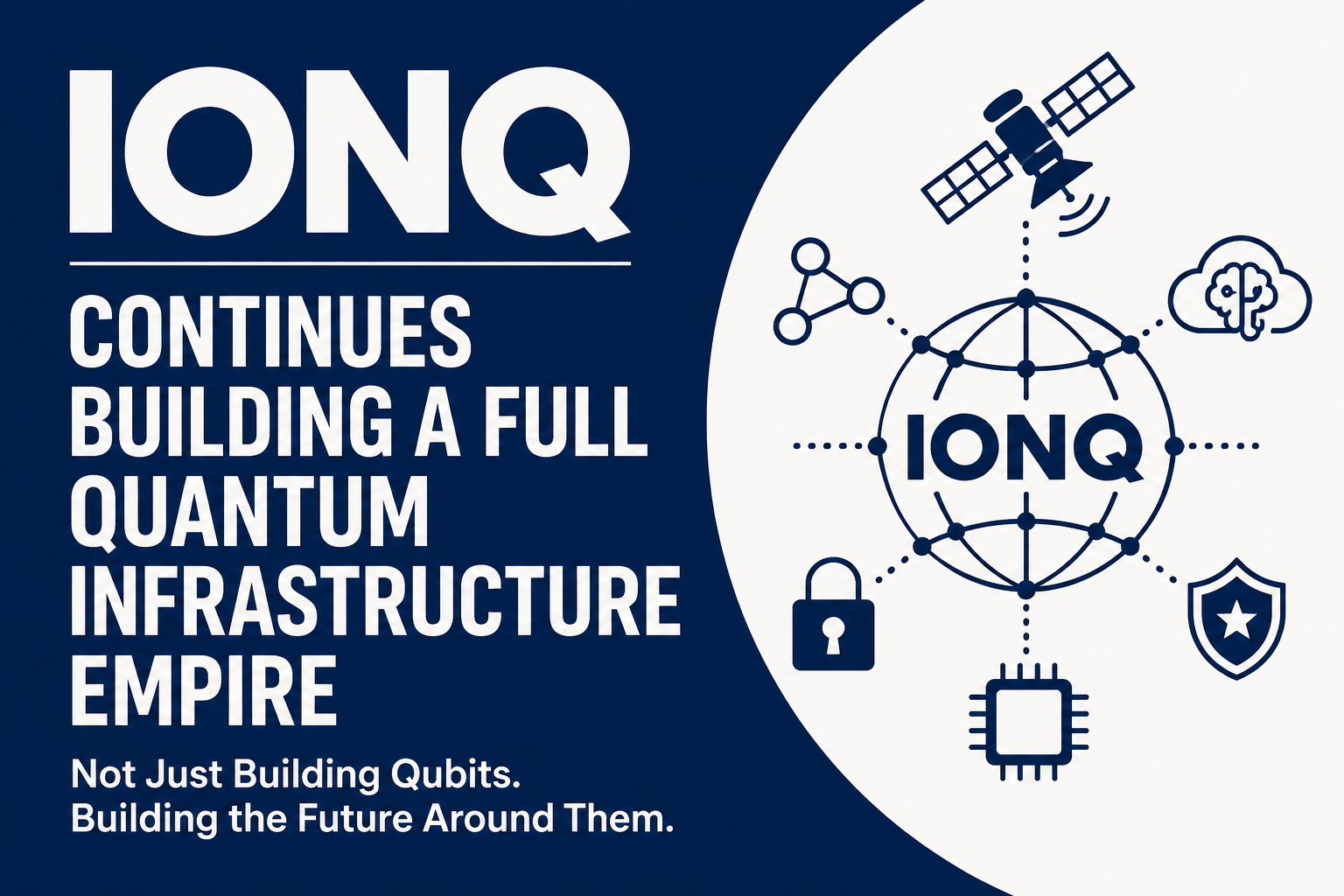
The acquisition marks a turning point for IonQ, widely known for its trapped-ion quantum computers and high-precision quantum logic systems. Positioned as a leader in the still-nascent quantum ecosystem, IonQ’s goal with this purchase is ambitious: to transition from a pure quantum software and systems vendor into a vertically integrated technology company with end-to-end control over both quantum processor design and the physical chips that undergird them.
A Strategic Leap: Vertical Integration and Quantum Supply Chains
Historically, many quantum companies have relied on external semiconductor foundries to fabricate qubit chips and supporting electronics. These foundries, which produce highly specialized silicon for quantum hardware, are critical structural partners. SkyWater is one of the few U.S.–based pure-play semiconductor foundries, offering services to aerospace, defense, and commercial clients alike.
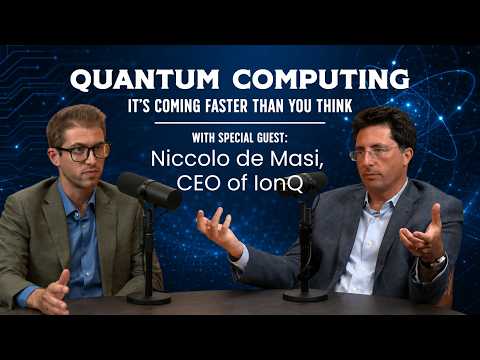
By bringing SkyWater under its umbrella, IonQ is effectively bringing a core part of its supply chain in-house from design and prototyping through manufacturing, packaging, and testing. IonQ Chairman and CEO Niccolo de Masi framed the combination as a way to “materially accelerate our quantum computing roadmap and secure a fully scalable supply chain domestically,” emphasizing that a vertically integrated platform could help the company deliver quantum technologies more rapidly and at scale.
This strategy also dovetails with broader geopolitical priorities around semiconductor sovereignty: U.S. policymakers and industrial leaders have increasingly pushed for domestic fabrication capabilities for strategic technologies like artificial intelligence and quantum computing. The deal aligns with that national interest, providing a homegrown base for future quantum chip production.
What SkyWater Brings to the Table
Rather than shutting down SkyWater’s operations, IonQ plans to retain the company as a wholly owned subsidiary. SkyWater’s existing leadership and facilities will continue servicing its diverse clientele still including non-IonQ customers. This is critical because SkyWater’s relationships with other defense, aerospace, and commercial partners help reinforce its value as a manufacturing partner for a variety of advanced technologies.
SkyWater operates fabrication plants in Minnesota, Florida, and Texas, giving IonQ a geographically diversified manufacturing footprint in the United States. Its engineering expertise and manufacturing capabilities are expected to help accelerate next-generation quantum chip design and fabrication—including plans for 200,000-qubit quantum processing units (QPUs) and scaling up further over the next several years.
Market Reaction and Financial Context
Despite the strategic logic behind the acquisition, the stock market response has been mixed. IonQ’s shares dipped following the announcement, falling more than 4% on the news. Meanwhile, SkyWater’s shares rose modestly, around 5%, reflecting investor optimism about the sale price and potential future opportunities.
The transaction’s structure is also strategic: SkyWater shareholders will receive $15 in cash and $20 in IonQ stock per share, representing roughly a 38% premium over the recent average share price before the deal was announced. Once completed—expected in mid-2026—the merger could reshape IonQ’s financial profile and manufacturing footprint.
It’s worth noting that IonQ has pursued a year of acquisitions leading up to this transaction. Throughout 2025, the company acquired several other technology firms, including Oxford Ionics, Lightsynq, and Capella Space, as part of an effort to build a suite of technologies across quantum computing, networking, sensing, and other adjacent areas.
Opportunities and Risks
The potential upside of this deal is significant: vertical integration and domestic fabrication capabilities could enable IonQ to innovate faster, reduce its reliance on third-party suppliers, and better position itself for major contracts—especially in government and defense arenas where secure, U.S.-based technology stacks are increasingly prized.
However, risks remain. IonQ has historically operated at a loss, and the cash and stock infusion needed for a deal of this magnitude raises questions about execution and capital allocation. Analysts note that expanding operational complexity could make growth harder in the short term, especially as quantum technology continues to evolve rapidly and competitors pursue their own strategic paths.
What’s Next for Quantum
As quantum computing inches closer to broader real-world applications, from drug discovery and materials design to cryptography and logistics optimization, moves like IonQ’s acquisition of SkyWater signal how seriously companies and governments are taking the race for quantum supremacy. With control over both quantum chip manufacturing and systems design, IonQ aims to push into a future where quantum technologies are not just a research millstone but a strategic asset across industries.