On January 26, 2026, something quietly seismic happened in the world of quantum tech. IonQ, the company best known for its work with trapped-ion quantum computers, announced it’s buying SkyWater Technology in a deal worth about $1.8 billion. That’s billion with a “B.”
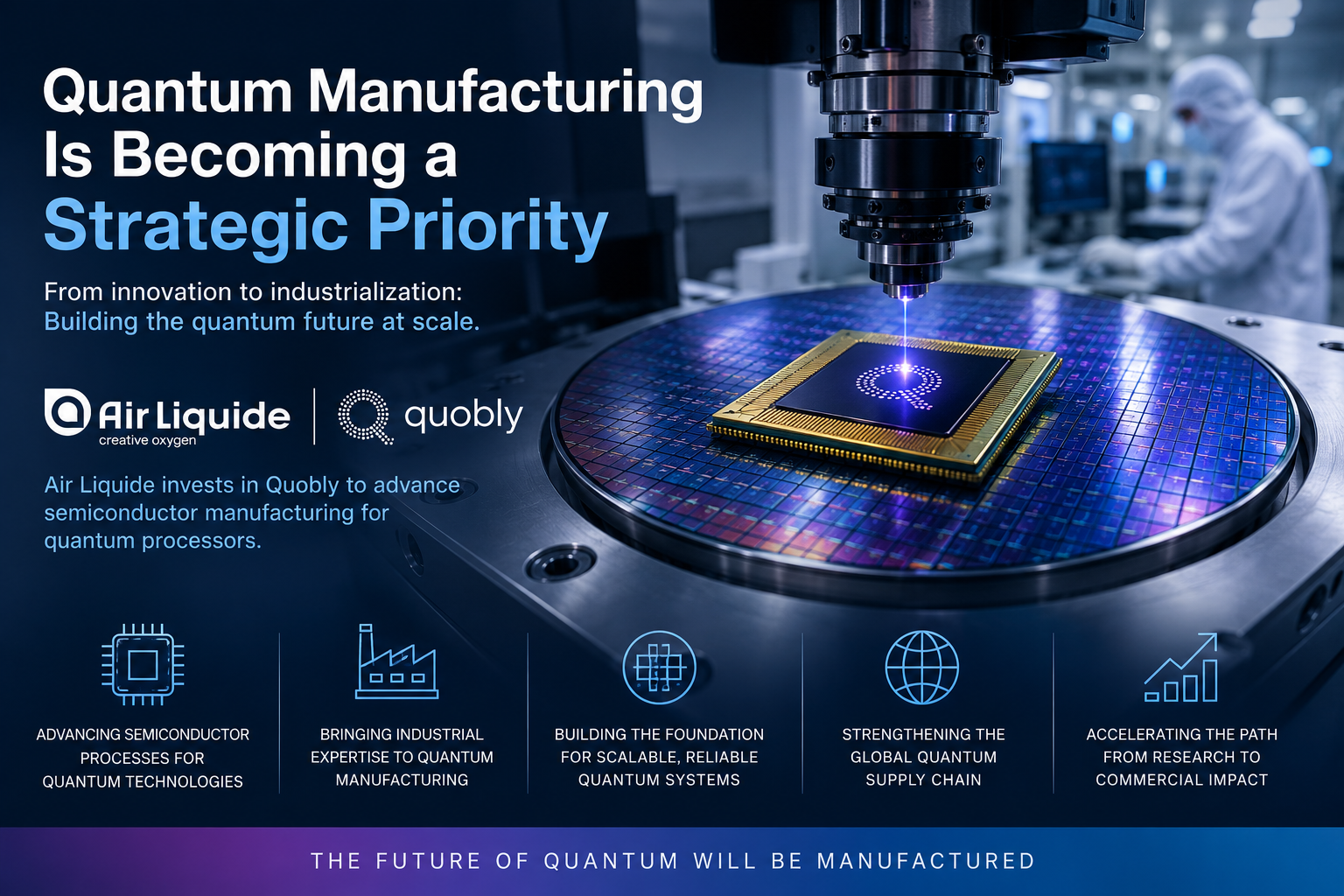
What’s the big deal? Well, this isn’t just about one company buying another. This is about becoming the first-ever full-stack quantum platform company, a company that can do everything from chip design to system build, all under one roof and inside the U.S.
If that sounds like a lot, let’s break it down.
From Sketches to Systems: Why This Merger Matters
Quantum companies have been a bit like architects without their own construction crews. They design brilliant processors but often have to send the designs overseas for manufacturing. That’s not only slow; it’s risky. Think supply chain delays, lost intellectual property, or relying on countries with different tech policies.
Enter SkyWater: a U.S.-based semiconductor foundry that already has deep ties to the Department of Defense. IonQ just added a factory with serious credentials to its toolbox. Suddenly, it can build what it dreams up right here at home. That’s a shift from being fabless (relying on others to build your chips) to fully integrated kind of like going from being a scriptwriter to directing, producing, and starring in your own show.
What’s Next? Fault-Tolerant Quantum Computers
Here’s where things get wild: IonQ says this merger lets them speed up their roadmap by years. They expect to test their 200,000-qubit systems by 2028—and if you’re wondering what that means, think of it as unlocking the potential to solve real-world problems that today’s computers just can’t handle.
We’re talking about massive leaps in medicine, materials science, climate modeling, and finance. The kind of breakthroughs that aren’t just technical—they’re human.
They’re also aiming for a two-million-qubit chip within the next few years. It’s the early architecture of a whole new kind of information age.
National Security Gets a Quantum Boost
There’s another layer here: trust. SkyWater is a rare kind of facility, a DMEA-accredited Category 1A Trusted Foundry. That’s government-speak for “we trust you to build microelectronics for national defense.”
By bringing SkyWater into the fold, IonQ becomes a potential go-to for the U.S. government across all things quantum, from secure communications to satellite-based sensing to next-gen defense systems. It’s a smart move in an era where tech isn’t just about convenience; it’s about strategy.
What Happens to SkyWater?
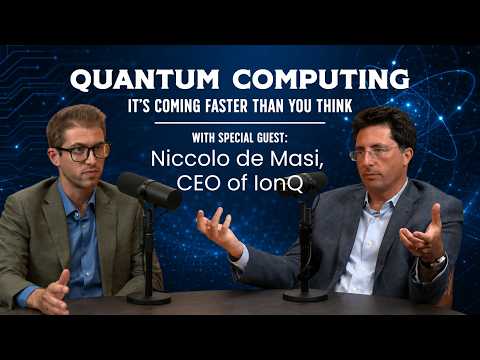
Even though SkyWater will now be owned by IonQ, it’s not going anywhere. The company will keep doing what it’s good at—making chips for commercial and defense clients—but now, it’ll also become a “Regional Quantum Production Hub” for IonQ hardware. The current CEO of SkyWater, Thomas Sonderman, will remain in place and report to IonQ’s CEO, Niccolo de Masi.
It’s kind of like adding a new chapter to an already solid book—except now it’s in a new genre entirely.
Zooming Out: The Bigger Picture
This deal may signal that quantum’s messy, experimental startup phase is coming to an end. What are we seeing instead? Structure. Scale. Strategy.
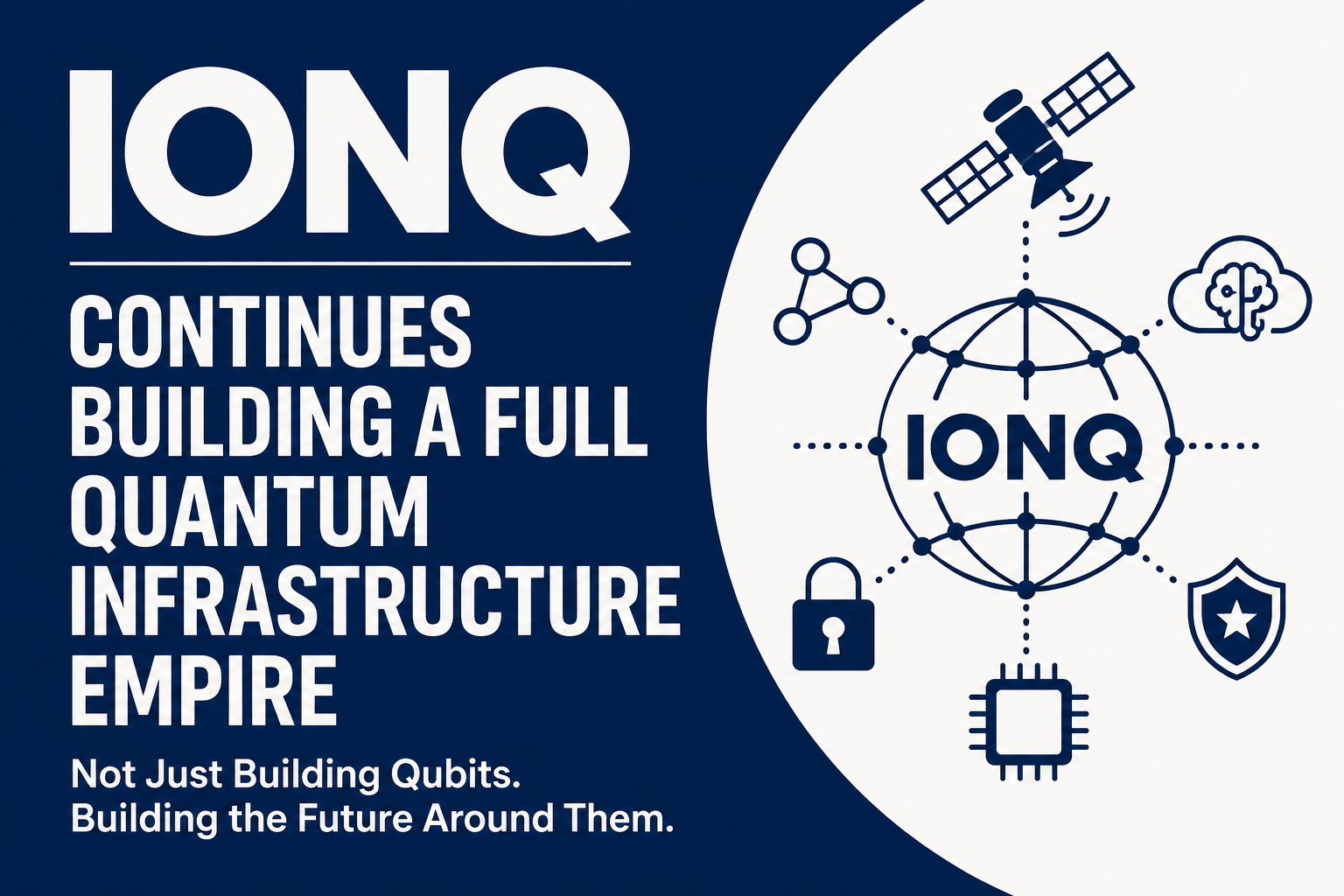
IonQ is no longer just a quantum computing lab; it’s a vertically integrated tech company with facilities in Minnesota, Florida, and Texas, working across five game-changing pillars:
- Quantum Computing: Scaling systems that work.
- Quantum Networking: Building the future quantum internet.
- Quantum Security: Defending data in a post-quantum world.
- Quantum Sensing: Measuring things with stunning precision.
- Quantum Space Infrastructure: Building hardware that can survive orbit and battlefields alike.
Why Should You Care?
Because this deal is a blueprint. It shows us what it might look like to bring quantum from the lab bench to the real world. Not just as a theory or a whiteboard drawing, but as actual machines solving problems.
In other words, IonQ didn’t just buy a factory. They’re building it here.