The tectonic plates of the quantum computing world have shifted in a major way with Google Quantum AI’s latest announcement. The tech giant has revealed its expansion into neutral atom quantum computing, alongside its ongoing commitment to superconducting qubits. This dual approach could serve as a pivotal moment in the race toward commercially relevant quantum computers and signals significant validation for two leading quantum computing modalities.
Based on content from The Quantum Bull
Validation for Neutral Atom Technology
Google’s entry into the neutral atom realm carries weighty implications, particularly for companies like InfleQtion, which have been pioneering this technology. With Google’s endorsement, neutral atom approaches gain substantial credibility, potentially accelerating advancements and adoption in this space. This move may catalyze competitor strategies, driving further innovation and investment.
Superconducting Quantum Computers on the Horizon
Despite the excitement around neutral atoms, Google remains committed to superconducting quantum computers, aiming for commercial relevance by the decade’s end. This confidence could bolster entities like Rigetti, who is racing toward their milestone of a 100-qubit Cepheus system. Google’s validation strengthens the case for superconducting technologies and might energize market interest, especially as we near key timeline benchmarks.
The complementary strengths of superconducting and neutral atom modalities are poised to broaden Google’s reach in the quantum sector. Superconducting qubits have progressed to circuits capable of millions of gates and cycles, while neutral atoms have scaled up to 10,000 qubit arrays—each presenting unique challenges and opportunities.
The Ripple Effect on Quantum Investments
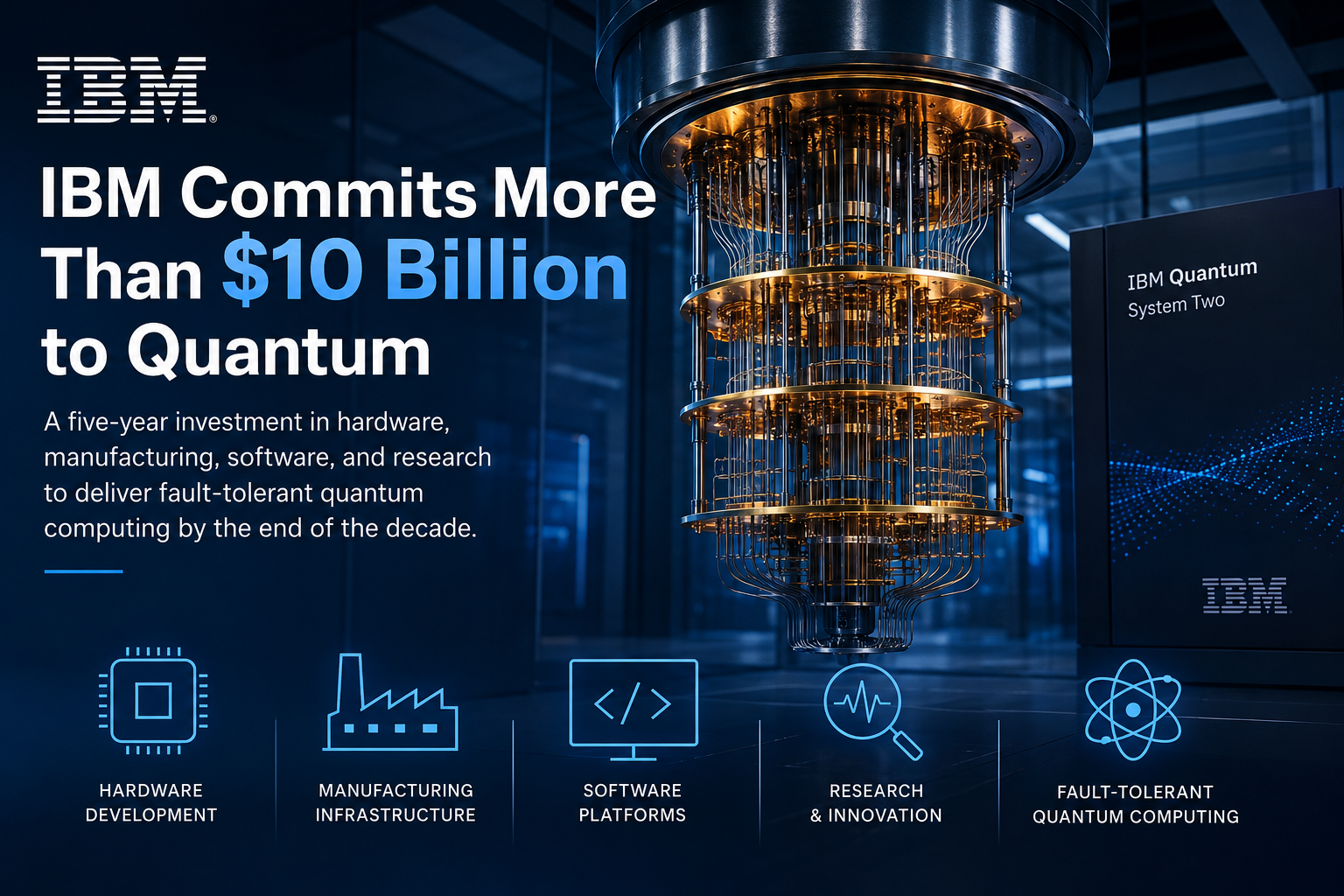
This bold move by Google is likely to reverberate through the quantum investment landscape. As major industry players, including IBM and D-Wave, continue to advance their quantum efforts, the stakes are higher than ever. Investors keen on quantum computing innovations should be watchful as these developments unfold, potentially ushering in a new era of computing power.
Google’s strategic direction underscores a promising future for quantum technologies, signaling that both neutral atom and superconducting approaches are at the forefront of the company’s vision. With substantial market momentum, this could be the dawn of commercially viable quantum computers, reshaping industries and technologies worldwide.