
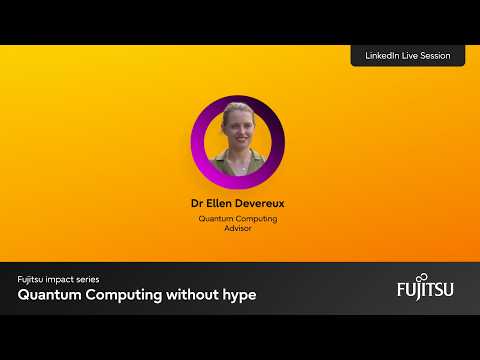
In the ever-evolving landscape of technology, quantum computing stands as a beacon of revolutionary potential. Yet, amidst grand promises and the glow of future possibilities, lies a landscape that requires a discerning eye and thoughtful preparation. Recently, Carlos André, Global Thought Leadership Evangelist at Fujitsu, engaged in a conversation with Dr. Ellen Devereaux, a Quantum Computing Consultant at Fujitsu, delving into what quantum computing can realistically offer businesses today and tomorrow.
The discussion about quantum computing often oscillates between hyperbolic predictions of world-changing capabilities and the skepticism of distant horizons. However, Dr. Devereaux grounds these discussions by emphasizing the real status of quantum computing as a research domain with tangible timelines. According to her, the industry anticipates achieving hundreds of logical qubits by 2030 and thousands by 2035. For context, this progression means that while we’re still traversing the research phase, a future where quantum computing contributes substantial value is not as far off as it may seem.
Based on content from Fujitsu
So, why are companies like Fujitsu investing seriously now, despite quantum computing’s nascent stage? The answer lies in foresight and readiness. As Dr. Devereaux points out, organizations seeking to leverage quantum computing have been laying the groundwork over the past five years. This meticulous preparation spans across upskilling teams, developing quantum applications, and navigating regulatory landscapes—ensuring they hit the ground running when the technology matures.
Dr. Devereaux highlights several areas where quantum could deliver early business value. Chief among them is modeling quantum mechanics with quantum mechanics—a natural fit for fields like materials science, drug discovery, and molecular biology. Here, quantum computing can offer more precise models, subsequently pushing these industries into new realms of possibility. Furthermore, large statistical simulations, optimization, and the tantalizing potential of quantum machine learning stand on the horizon, each with caveats and complicated intersections with classical computing solutions.
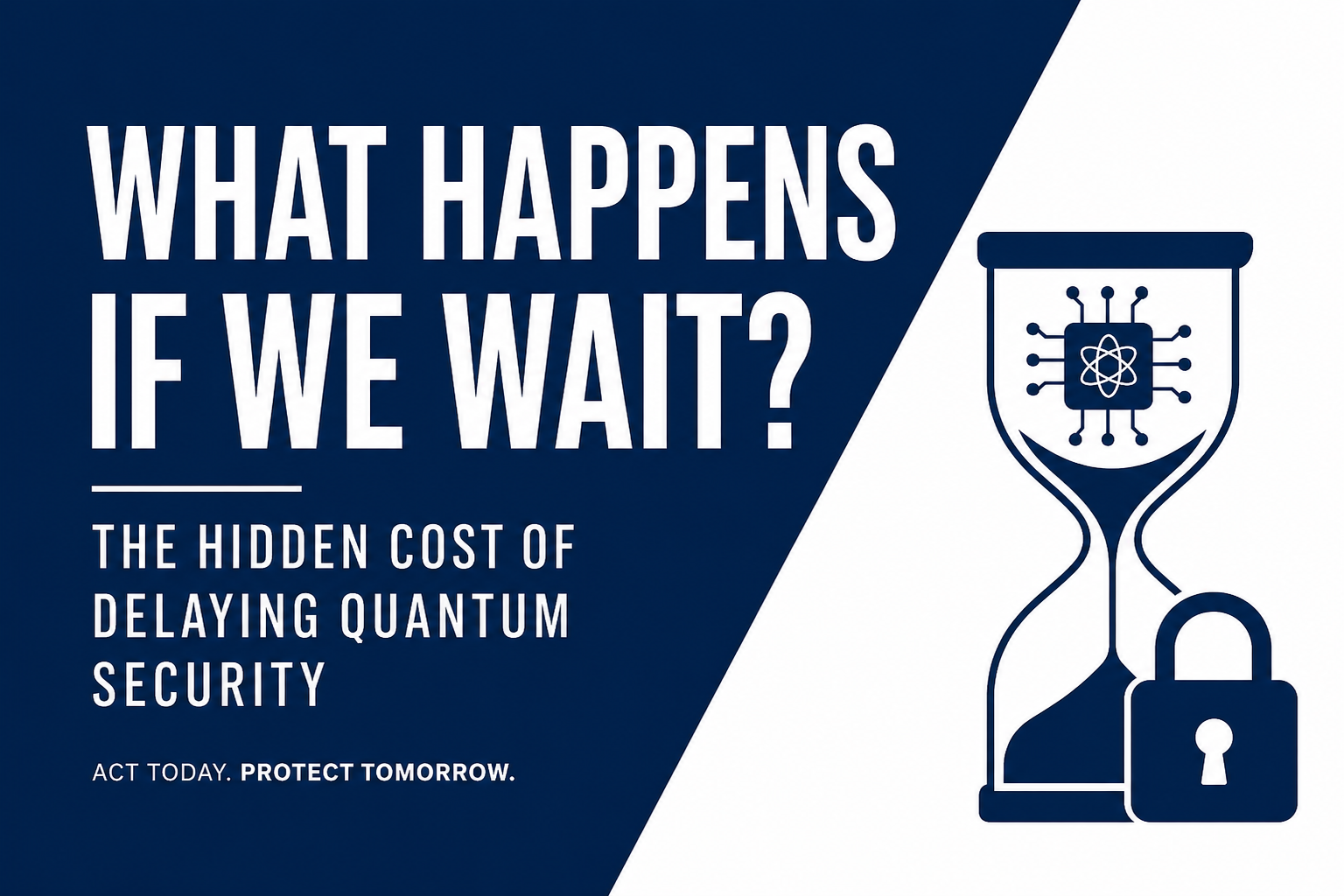
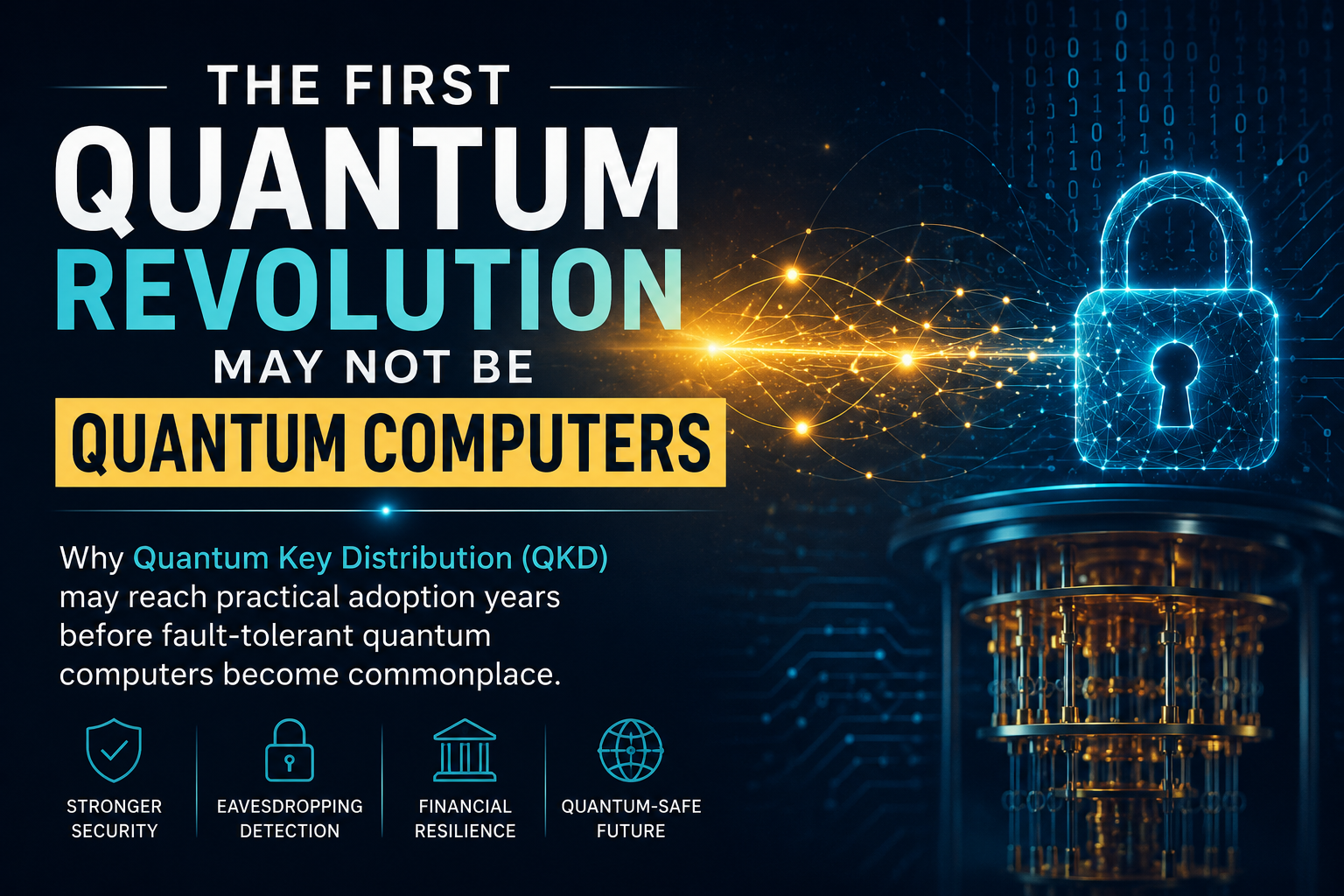
Yet, one cannot discuss quantum computing without addressing security. Quantum’s capability to disrupt current encryption methods through Shor’s algorithm brings a sense of urgency. While the timeline to breaching our widely used RSA encryption extends over a decade, businesses are prompted to start preparing for post-quantum cryptography. Dr. Devereaux advises that critical infrastructures should pivot towards post-quantum solutions by 2030, with complete transitions aimed by 2035. Fujitsu’s proactive approach offers organizations an assessment to navigate these waters, emphasizing understanding one’s data and timeline necessities.
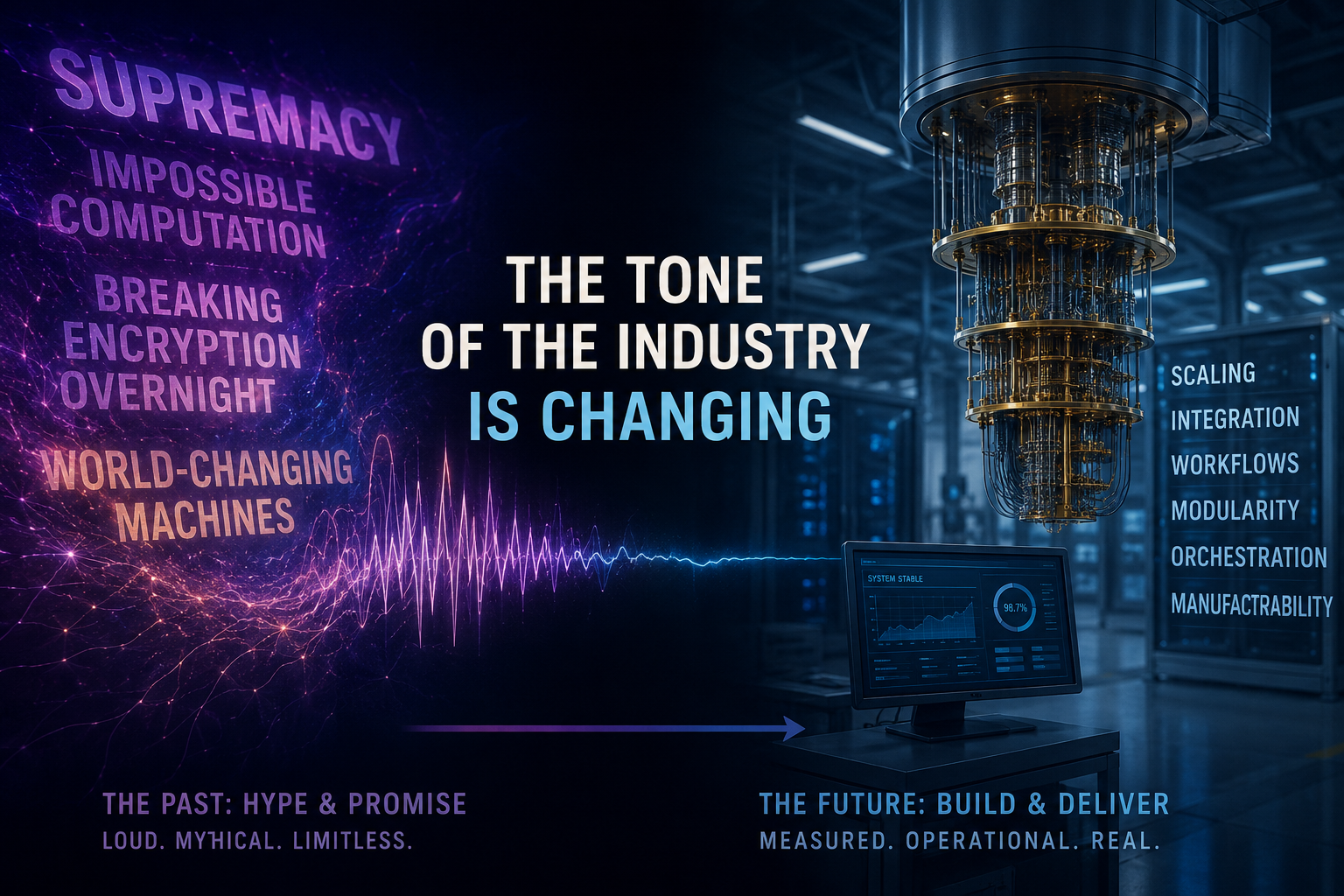
Fujitsu’s calmly measured approach, as noted by Dr. Devereaux, cast against the backdrop of frenetic tech advancement, has a solid footing in providing realistic outcomes. They advocate for using the most suitable technology to solve problems, rather than forcing quantum solutions prematurely. This nuanced approach ensures businesses receive computational advantages today, while remaining prepared to embrace quantum contributions later.
As quantum computing edges closer to practical deployment, business leaders must begin asking critical questions: Which of our computationally intensive problems stand to benefit? What data infrastructure adjustments will be necessary? These inquiries form the backbone of strategic planning in this domain, encouraging a long-term view infused with current actionable insights.
The conversation led by Carlos André and Dr. Devereaux offers a refreshing, clear-eyed reassessment of the quantum horizon. While quantum computing holds promise, the realities of preparation and strategic foresight cannot be overstated. Organizations are thus urged to steer away from the allure of hype, focusing instead on the intricate, deliberate steps required to integrate this emerging technology into the fabric of business innovation. The time to prepare is now, not just for the advent of quantum computing, but for the myriad possibilities it brings along.
—






Leave a Reply