In a hushed space between the neon buzz of cutting-edge technology and the serene quest for understanding, quantum computing promises a future that stretches beyond the horizon of traditional computational capabilities. Imagine a world where diseases once deemed incurable are now treatable, where our environmental footprint is significantly lighter, and where the complexities of our lives are delicately streamlined. This is not just a dream but a burgeoning reality that leaders in technology, like Marta Pascual Estarellas, are diligently shaping.
Based on content from LIFT | Leaders building a legacy
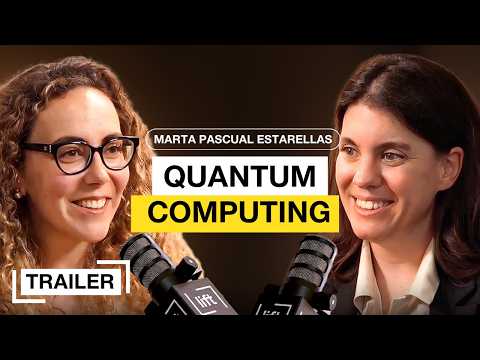
Marta Pascual Estarellas, at the helm of Qilimanjaro Quantum Tech, stands as a vanguard of this new technological dawn. Her insights, shared in a conversation with LIFT’s Aïda Figuerola, illuminate the path quantum computing is forging in our collective future. One compelling question she poses lingers: Can quantum computing facilitate breakthroughs in medicine, society, and our understanding of the universe?
The essence of quantum computing lies in its ability to mimic the intricacies of nature. “Nature is quantum,” Marta eloquently reflects. This revelation isn’t merely a scientific observation; it is a philosophical catalyst. By harnessing the principles of quantum mechanics, we can mirror the universe’s inherent logic, pushing the boundaries of discovery and innovation. This capability could lead to groundbreaking advancements, particularly in medical research where the urgency for solutions is profound and pressing.
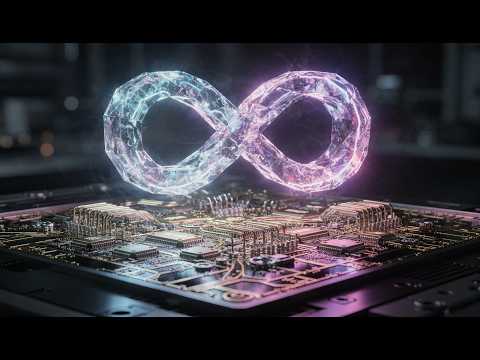
Quantum computers, unlike their classical counterparts, utilize superconducting qubits. These qubits, the fundamental building blocks of quantum information theory, function under extreme conditions—temperatures nearly approaching absolute zero. The structural elegance of these systems echoes the critically poised state of the universe itself, offering a poignant metaphor for the potential they hold: fragile yet incredibly powerful.
Beyond scientific curiosity, there’s a powerful impetus towards sustainability. Our current technological and industrial practices strain at the seams of environmental capability. In a world racing towards an uncertain ecological future, quantum computing emerges as a beacon of hope. It proposes radically more efficient processes that could, in turn, reduce our dependency on finite resources. As Marta elaborates, the shift towards sustainable structures is not optional but imperative. “We cannot keep evolving at the pace that we are in terms of natural resources.” Such insight challenges us to envision alternatives proactively.
From a business and societal perspective, the continuous optimization potential of quantum computing introduces opportunities for reducing complexity in logistics, enhancing economic efficiency, and even contributing to the comforts of daily life. Imagine if families, businesses, and industries could operate with increased harmony and fewer resource drains. This is not merely about convenience; it’s about sustainability, well-being, and improved quality of life.
However, as with all things that glimmer on the technological frontier, there is the cautionary hum of skepticism. Questions arise about feasibility, ethical implications, and the disparity between promise and practice. Critical perspectives urge the need for oversight, equitable access, and the avoidance of a technocratic oligarchy where only the privileged advancements benefit.
Yet, the conversation about quantum computing is not simply a binary discourse. It is layered—a confluence of hope, risk, and discovery. As we edge closer to realizing its potential, we must ask ourselves what kind of future we wish to build, embodying both the virtues and vigilance that progress requires.
The full episode featuring Marta Pascual Estarellas premieres Monday. To immerse yourself in the deep dive of this pivotal subject, set a reminder and join the dialogue. Hear the full breadth of vision and share in the questions that guide our quest for a quantum-enhanced tomorrow.
For those seeking more, follow along and tune into platforms like Spotify and Amazon Music. The conversation is ongoing, the discoveries are unfolding, and the future is a tapestry we are collectively weaving.
—