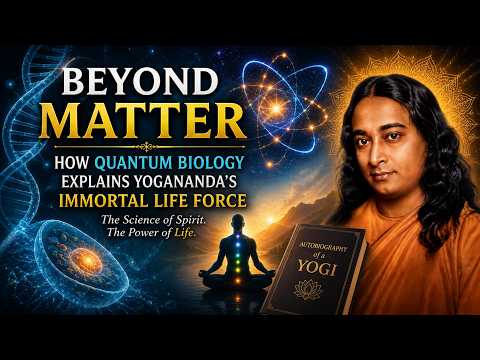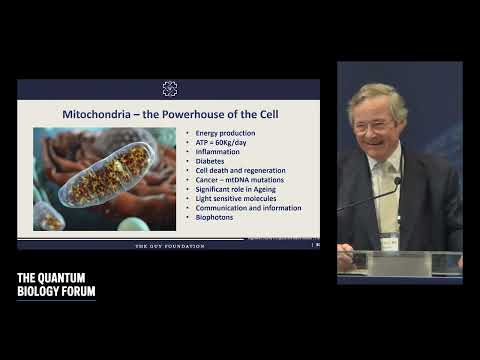
Something remarkable is happening at the intersection of science and human health. Researchers are beginning to uncover evidence that many of the biological processes we associate with aging may be far more flexible than once believed. Rather than a one-way journey of gradual decline, the body appears to retain an extraordinary capacity for renewal and adaptation. From advances in epigenetics to emerging theories involving quantum biology, scientists are exploring whether some aspects of aging can be slowed, altered, or even partially reversed. What was once dismissed as wishful thinking is increasingly becoming a serious area of scientific investigation.
Based on content from Quantum Veil
The world presented us a story about our bodies—a narrative as pervasive as it is thin. It speaks of relentless decline after a youthful peak, a tireless progression from growth to decay. Yet, if we pause and allow ourselves a deeper glance, we find a layer where that tale feels incomplete.
What’s hidden beneath? It’s a question worth the breath it takes to utter. The body’s relationship with time isn’t merely written in the visible signs of change that accumulate like a relentless tide—it’s in the tunable signals, a concert of genetic expression that varies in pitch and rhythm over time.
Epigenetics holds the first veil to pull aside. Imagine your DNA as a vast library, a repository of potentialities sitting amidst the corridors of your cells. Epigenetics acts as the librarian—determining which genetic books are opened, shaping the symphony that every cell dances to. In youth, these books sang efficiently, loudly, filled with the vigor of growth and repair. Yet over time, signals—internal and external—shift the librarian’s choices. Books close, new once are pulled, and the state of your body alters accordingly.
However, the magic lies in this: epigenetic changes aren’t permanent. Methylation, those molecular tags deciding gene silencing, drift with time. Yet, researchers have unveiled pathways to nudge these patterns back into youthful harmony. Through nutrition, specific exercises, and mindful practices, we guide the librarian, re-open the cherished books, and revive the youthful rhythms once thought forgotten.
This is not to mythologize or coin platitudes about thought-and-body synchronicity. It’s a scientifically grounded insight into how our cellular orchestra functions at multiple layers, including one most people scarcely recognize—the quantum level.
Quantum Biology—a term that might seem abstruse or ethereal—is where our perceptions of biology that obey only classical rules are gently upended. Here’s where things animate differently. Processes woven into the warp and weft of life, like photosynthesis and enzyme function, rely upon quantum mechanisms. Your cells are entangled in a communication network, reacting not just to biochemical cues, but to the very essence of attention and belief, aligning themselves with states defined by coherence or disorder alike.
Consider this: stress literally ages your cells. Cortisol, the antagonist in a chronic stress narrative, accelerates telomere shortening—a concrete evidence of aging at the cellular level. Yet swap stress’s narrative for relaxation, and telomeres lengthen, repair genes express eagerly, rejuvenation sprouts from within.
As our innate curiosity stirs, we find ourselves asking, what orchestrates epigenetic shifts in the first place? Here, the narrative deepens; it is the biological equivalent of what takes center stage in quantum theory: observation. Our cells, those unassuming observers, collapse potential into reality, guided by the powerful and subtle influences of perception.
The teenage body isn’t just a byproduct of hormones or youthful whimsy—it’s a testament to the embodied energy of favorable patterns and signals and perceptions. While the aging process isn’t random, it’s not fate either. It’s a program, subject to revision by the inputs we consciously and unconsciously provide.
The insights tugging at our modern understanding beckon towards an empowering conclusion—aging might be as reversible as it is inevitable given the right engagement of our conscious selves with the data within. As new discoveries keep arising in the shared fields of ancient knowledge and cutting-edge science, we are left with an invitation: what layers will we choose to explore? What potential within us will we dare to uncover next? And how actively will we participate in the symphony of our continuing transformation?
—