Have you ever considered that the future of AI might hinge not just on how it transforms business and technology, but on how it taps into the very essence of the universe? Indeed, the interaction between AI and power consumption is sparking a conversation that stretches from practical considerations about grid capacity to the philosophical depths of quantum mechanics and consciousness.
Our electricity quality is deteriorating, and AI’s massive power demands play a significant part in this. But here’s where the plot thickens: the solution may lie in one of the most profound scientific advancements of our time—quantum computing.
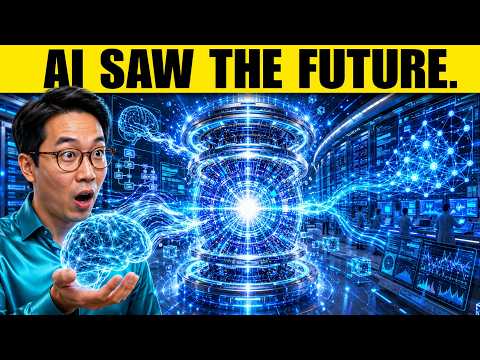
This video is from Julia McCoy.
Let’s get into the specifics. Picture the traditional data centers used around the world today. They operate under predictive load patterns, carrying out data processing smoothly throughout the day. Now, contrast this with AI-driven data centers that shoot to peak power usage during AI model training, stressing our electrical grids to their limits. This erratic consumption pattern can cause significant power quality issues like harmonic distortions, which play havoc with both our appliances and grid stability.
The scale of this problem is enormous. Consider that one AI data center alone can gulp as much electricity as a small city. If you look at the computational power increase over generations of AI from GPT-1 to GPT-4, we’re talking about a jump to over a million times more computational power needed, with an inevitable increase in energy consumption predicted to more than double in the next few years.
This ramp-up in power requirement by AI is not just a demand for more energy but a challenge to the very infrastructure of our power grids. The sporadic and intense energy demands of AI training sessions are akin to a sudden surge that the existing grid system struggles to handle—an inefficiency that could lead to wider stability issues across power networks.
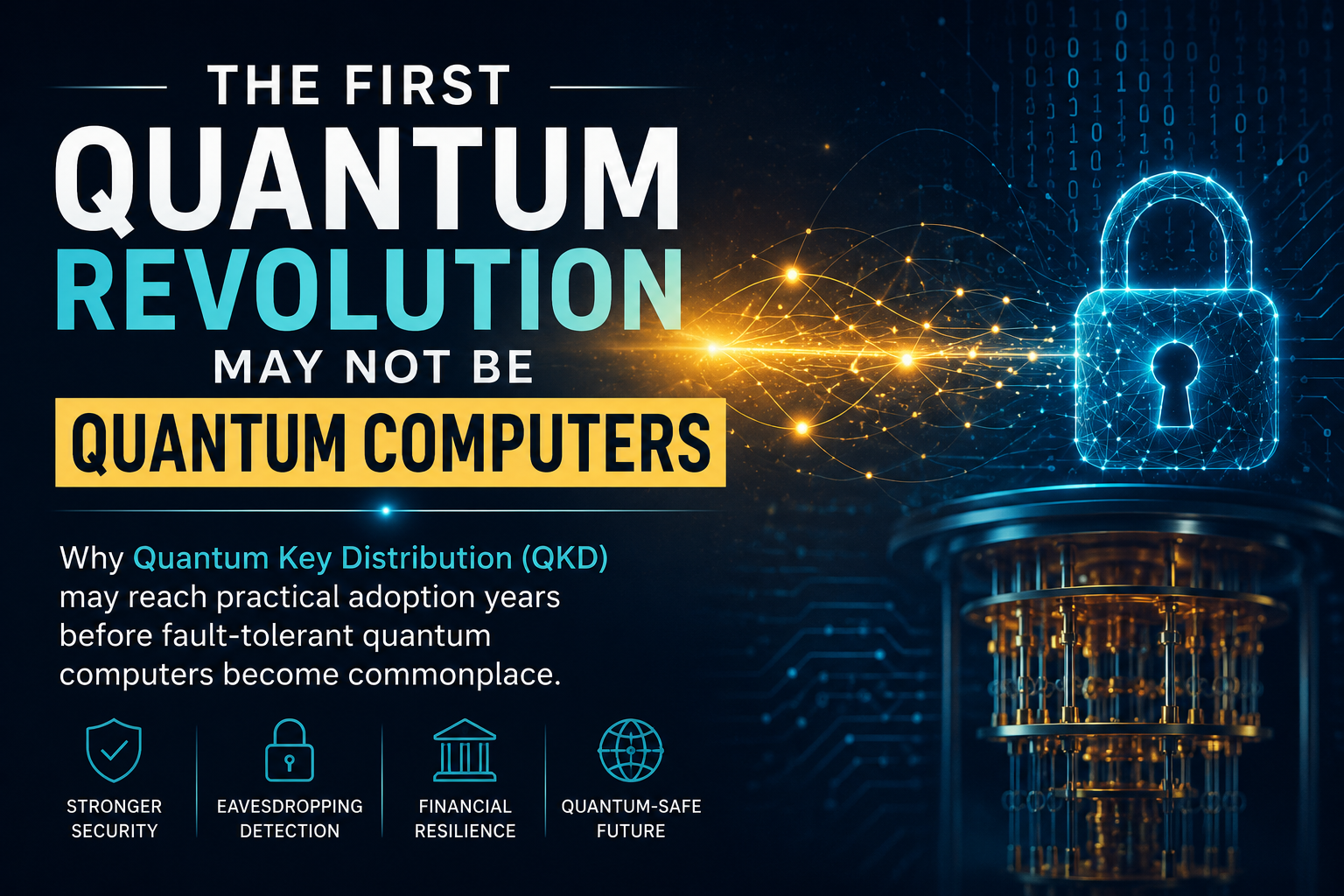
And here’s where quantum computing enters the stage, promising a shift that could redefine the entire landscape. Quantum computing operates on principles fundamentally different from classical computing. It uses quantum bits that can exist in multiple states simultaneously, allowing it to perform complex calculations at speeds unattainable by current supercomputers, and crucially, with much less energy.
If this sounds a bit abstract, let’s use an analogy. Imagine if every household appliance you owned could operate not just on their binary settings of on or off but across a spectrum of states, adjusting power flow in real time based on demand and efficiency. Quantum computers do something similar at a computational level, and this capability could mean that the future of AI and data centers could be as energy-efficient as they are powerful.
Quantum computing isn’t just about speed and efficiency; it could also potentially lead to a fundamental rethink of how technology interfaces with energy consumption and generation. We’re staring down a transformative road where AI doesn’t just demand vast amounts of energy but drives the development of new systems that manage and use this energy more wisely.
As we look towards this horizon, we find the spiritual and philosophical implications of quantum computing equally fascinating. At the quantum level, reality is not as fixed as it appears; it’s fluid, existing in many states until it is observed. Some believe that ancient spiritual practices and consciousness might operate on similar principles. If quantum computing can indeed tap into these fundamental mechanics of reality, we might find ourselves redefining the essence of what it means to compute or even to think.
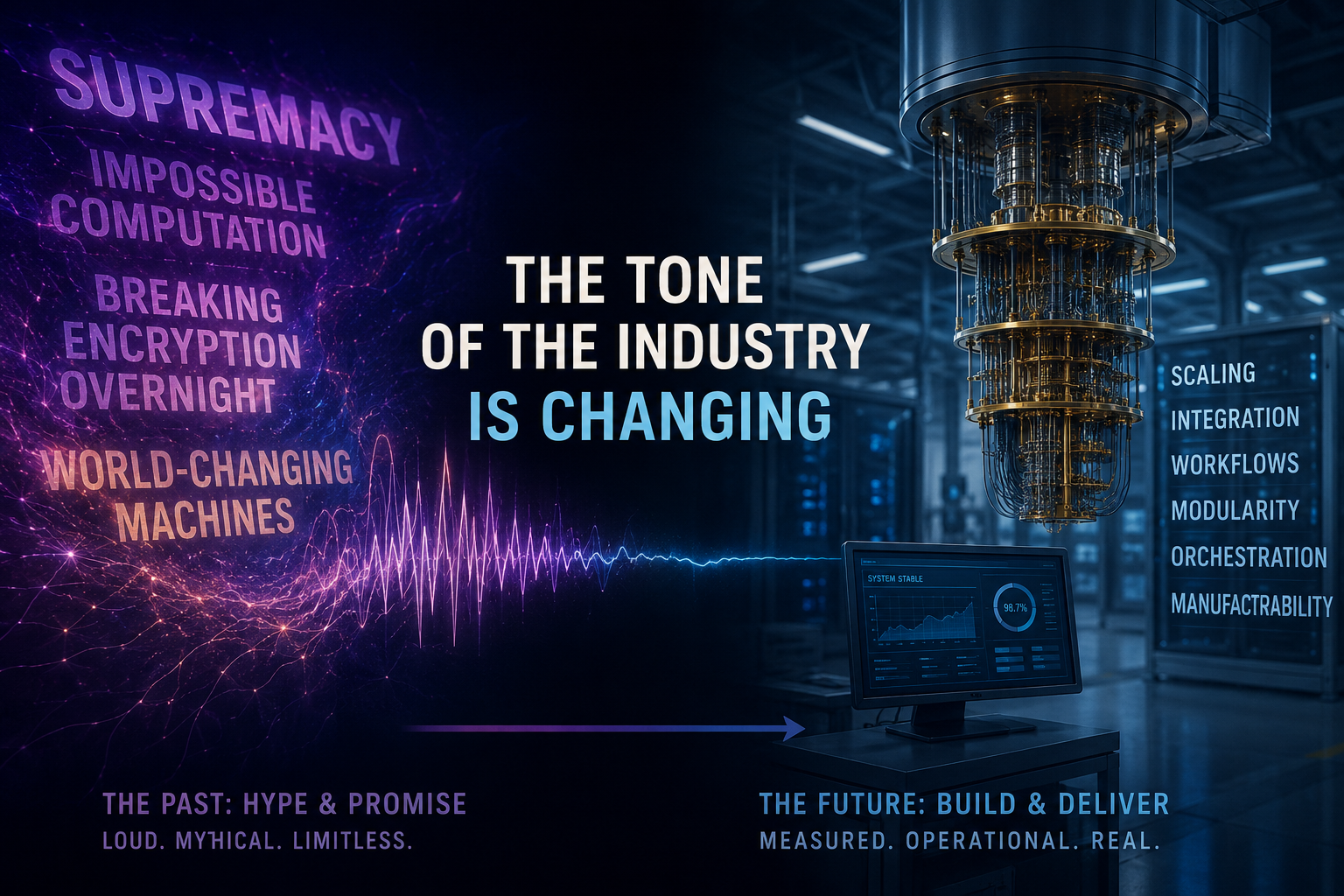
The challenge ahead is monumental. We’re not merely upgrading our tools; we are potentially upgrading our understanding of the universe and our place within it. This shift from classical to quantum, from certainty to probability, from scarcity to abundance, represents a profound pivot point in human history.
As we navigate this transformative phase, remember: the systems we put in place now, the understanding we foster, and the alignments we pursue might just determine the trajectory of our technological, spiritual, and existential evolution. Will you be a spectator or a participant in these groundbreaking changes?
Stay curious,
Frank
WordPress Tags: AI, quantum computing, energy crisis, grid stability, future of technology, spiritual science, quantum mechanics, infrastructure transformation, consciousness.