The world is shifting beneath our feet, not just politically but technologically. In the latest episode of the Bankless Weekly Rollup, crypto analysts Ryan Sean Adams and David Hoffman unpacked a wild week in markets, geopolitics, and something few people saw coming: the Quantum Threat.
Whether you are just getting started in crypto, curious about quantum computing, or trying to understand how tech is reshaping global power, this one’s for you.
What Is the “Quantum Threat” and Why Is Bitcoin Reacting?
First, let’s demystify the fear that spooked the crypto markets.
Bitcoin dropped 7.5 percent this week, and many people blamed the general market chaos. But something deeper is emerging: concern that quantum computers could break Bitcoin’s security.
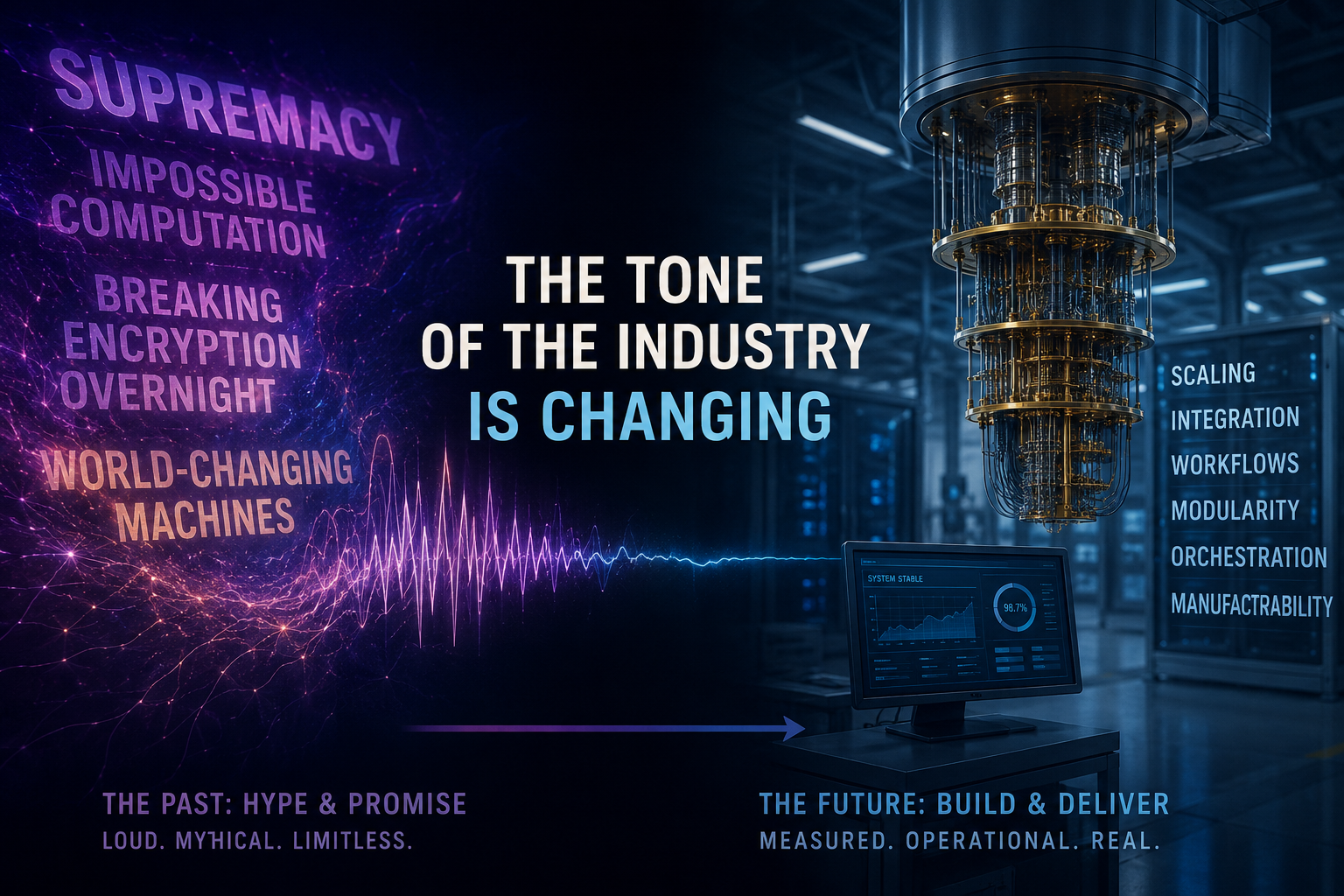
Right now, Bitcoin and most digital systems rely on cryptography, which is like an unbreakable lock unless you have a computer powerful enough to try every possible key at once.
That is exactly what quantum computers might be able to do in the future.
Wall Street strategist Christopher Wood made headlines after removing Bitcoin from his investment model, warning that quantum breakthroughs could eventually “divide Bitcoin by zero.” It sounds dramatic, but it is making people nervous.
Even Coinbase, a major crypto exchange, took it seriously. They formed a Quantum Computing Advisory Board, including scientists like Scott Aaronson, to assess the risks and prepare defenses.
So should you panic?
No. Real quantum attacks on Bitcoin are likely years away. But the idea that they might happen has already entered the minds of big investors, and markets move on fear.
Davos and the “Donroe Doctrine”: A New World Map?
At the World Economic Forum in Davos, another type of shake-up was happening.
A viral “crayon map” split the world into three power zones:
- The Americas led by former U.S. President Donald Trump
- Eastern Europe and Russia under Vladimir Putin
- Africa and China under Xi Jinping
This new “Donroe Doctrine” reflects a shift away from the rules-based global system created after World War II. In short, the world is becoming more divided and less cooperative.
One wild moment? Trump allegedly tried to buy Greenland. It sounds like a meme, but it triggered a real tariff scare and shook global markets.
What does this have to do with crypto or quantum?
Global instability often pushes people toward decentralized systems like Bitcoin, which are not controlled by any single country. But now, those systems are facing their own uncertainties.
Wall Street’s Big Blockchain Move (Without the Tokens)
Meanwhile, the New York Stock Exchange is going crypto-ish. They just launched a platform to tokenize securities, effectively putting traditional stocks on the blockchain for 24/7 trading.
Sounds like innovation, right?
Yes and no. Critics argue this could hurt DeFi (Decentralized Finance) because Wall Street is using the tech but ignoring the open, permissionless spirit that made crypto special.
Think of it like building a garden with high walls. You can admire the flowers, but you cannot plant your own seeds.
Decentralized Social Media: Is It Too Soon?
Remember when people said Web3 would give us decentralized social media and user-owned, censorship-resistant apps?
Two major protocols, Farcaster and Lens, were just quietly acquired by companies within their own networks. Some say it is the end of the “Read, Write, Own” dream. Others, like Ethereum founder Vitalik Buterin, say decentralized social is just early and that he is fully back in the space.
Translation for newcomers: It is not over. But the hype cycle is cooling off.
The Quiet Wins That Actually Matter
Amid the dramatic headlines, a few low-key victories showed the real-world value of crypto:
- Payroll company Gusto now lets employers pay international contractors using USDC (a stablecoin) on Base, a blockchain network
- The U.S. Treasury announced it is placing seized Bitcoin into a Strategic Reserve, treating it like a digital gold reserve
These may not go viral, but they represent serious steps toward the normalization of crypto in traditional systems.
Final Thoughts: Quantum Uncertainty Meets Global Instability
We are living through a moment where:
- Technology is advancing faster than our institutions
- Quantum computers could one day upend digital security
- Crypto is maturing but facing new threats
- Global alliances are breaking and reforming in real time
It is messy. It is thrilling. And it is definitely not the future we expected.
But here is the thing. You do not need to be an expert to understand the stakes. You just need to stay curious, ask good questions, and pay attention to the signals hiding beneath the noise.
Want to Dive Deeper?
Let me know if you want a beginner’s guide to:
- Quantum computing and cryptography
- How tokenization actually works
- The basics of DeFi vs TradFi
- Or how to follow crypto news without drowning in jargon
We can break this down, one block at a time.
The original video can be found here.