The frontier of quantum computing can sometimes feel like the stuff of science fiction novels. Yet, as I’ve recently explored, it’s grounded in the very real and tangible elements of science—namely chemistry, physics, and mathematics. The industries that drive our society forward rely heavily on these foundational sciences, but there’s an emerging consensus that they are, in fact, drastically in need of innovation.
This video is from PsiQuantum.
One particularly bold assertion caught my attention: the idea that true advancement in chemistry, such as drug design and material science, isn’t fully possible without the power of quantum computing. It’s a thought that stops you in your tracks: Are we really just “stumbling around in the dark” until we harness the capabilities of quantum computing?
The driving need in quantum computing is for a system with a million qubits, complete with error correction. What fascinates me here is the notion that to genuinely transform technology on a fundamental level—a change so profound it could be the most significant in human history—we need to reach this scale.
Now, think of it in terms of automotive design. When building a new model, every part, from the smallest screw to the engine block, must not only fit perfectly but also withstand conditions of use. In the quantum computing architecture, minimizing errors even with a small operational footprint mirrors the need for precision engineering in cars where there’s no room for error in critical components.
The focus has been razor-sharp on achieving fault tolerance and minimizing the loss within the smallest possible footprint. It’s like trying to pack the power of a V8 engine into a compact car without sacrificing performance—ambitious, certainly, but absolutely necessary if the goals are as transformative as predicted.
One of the most underappreciated facets of this mission is interconnectivity, specifically using photons at telecom frequency to enhance how components communicate within a quantum system. To describe this, imagine the internet without broadband—how limited and slow interactions would be. Similarly, effective quantum computing hinges not just on the individual prowess of qubits but on their ability to interact seamlessly and quickly.
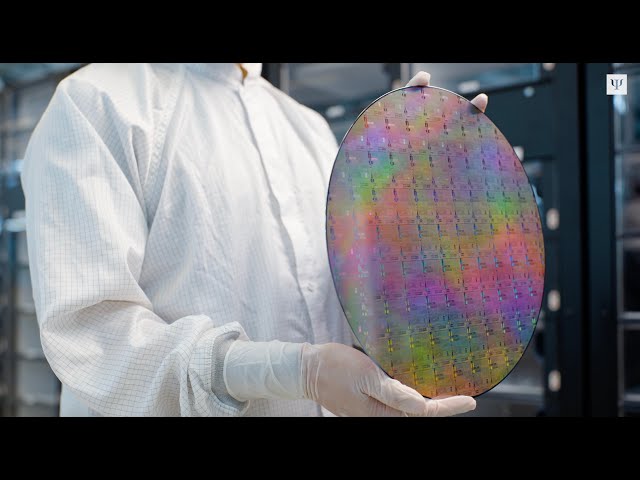
Turning these ideas into reality, a venture known as AmIGGA has been instrumental. Leveraging the capabilities of the semiconductor industry, AmIGGA stands as a testament to integrating high-precision technologies—waveguides, edge couplers, source and detector technologies, and switches—all into a singular robust platform. This initiative reflects a deep commitment to choosing a path and sticking to it, aware that in the realm of quantum computing, switching gears is not as simple as pivoting plans in more established tech domains.
It highlights another critical aspect: the industrial scale of this endeavor. Much like manufacturing any large-scale high-tech device, creating quantum computers involves not just pioneering technology but also classic elements like silicon, glass, and steel. The challenges are enormous, yet the approach remains resolute—crudely put, the only way out is through. Building the capacity to mass-produce pivotal components for these complex machines underscores a commitment not just to dream but to actualize those dreams pragmatically.
Quantum computing’s alien reputation and its portrayal as a futuristic dream is convenient for headlines, but the reality is decisively more grounded. It’s about profound innovation, yes, but through classic methods of hard work, complex problem-solving, and leveraging existing industrial processes on an unprecedented scale.
As with any groundbreaking development, the path is fraught with challenges. However, with rigorous dedication and innovative use of existing technologies, the seemingly impossible becomes possible. Whether you liken it to tinkering under the hood of a car or exploring the very fabric of reality, the drive to understand and innovate continues pushing us forward.