Imagine for a moment that we are standing at the brink of an incredibly profound paradigm shift, one that might reshape not just the landscapes of technology and communication, but also our understanding of reality itself. It’s a big claim, I know, and it all hinges on two revolutionary technologies: quantum computing and AI.
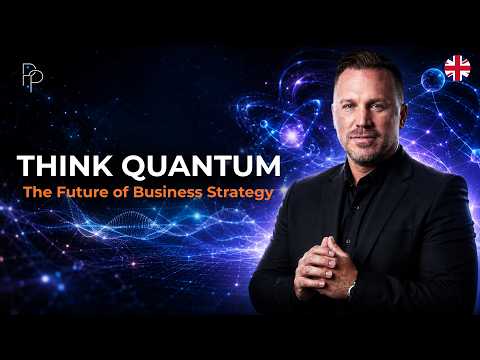
This video is from Anders Indset.
When I recently delved into the fascinating conversation between Christa Suare of Microsoft Assur Quantum and a quantum technology advocate, I was struck by the complexity and profundity of their discussion. They covered the gamut from the technical intricacies of quantum computers to the philosophical implications of these technologies, including their impact on our economic, ethical, and existential frameworks.
Let’s unpack some of this.
First, quantum computing remains an elusive beast in the tech world—not because the concept is unattainable, but because the scale of its potential is so vast that it dwarfs current paradigms. The idea that we are on the cusp of not just enhancing computational power, but fundamentally reshaping it, is compelling. As Christa mentioned, the capability of quantum computers to run calculations that are unfeasible with classical computers could unlock new realms in material science, chemistry, and beyond—essentially enabling us to solve problems we don’t yet know we have.
At the heart of the quantum leap forward is the need for a synergy between ever-improving quantum hardware and sophisticated AI models. These AI models, fed by enormous amounts of data, currently function within the constraints of their programming and available data. However, when combined with quantum computing, these models could begin to generate brand new data from quantum simulations, pushing the boundaries of ‘learning’ in AI.
This intersects beautifully with the concept of quantum readiness. Christa underscored the importance of industries and sectors recognizing where and how quantum computing might intersect or disrupt their trajectories. It’s not so much about the fear of obsolescence but about the excitement of potential. Being quantum ready means preparing one’s business—not just for the incremental improvements quantum tech promises but for the quantum leaps (pun intended).
The ethical considerations are equally pivotal. The power that quantum computing and AI hold can reshape security, privacy, and even societal norms. Both technologies, especially when used together, need robust ethical frameworks to guide their development and implementation. After all, technology that has the potential to redefine our reality brings with it significant responsibility.
Moreover, while discussing these technologies, there’s a philosophical layer that cannot be ignored. This discussion goes beyond the technical and practical into what it means to be human in an era where human-like intelligence can be manufactured. Quantum computing, by pushing the limits of what can be calculated or simulated, raises questions about consciousness, reality, and the nature of the universe itself.
In essence, we’re not just talking about technological advances. We’re talking about a redefinition of the principles by which we understand everything from atoms to economies. It’s a heady thought, isn’t it? Quantum computing isn’t just about speed or efficiency. It is, at its core, a key to unlocking doors we don’t even know exist yet.
As we stand at this crossroads, the call to be “quantum ready” isn’t just a practical guide for businesses but a motto for all of us in this rapidly changing world. The quantum era isn’t just coming; in many ways, it’s already here. So, let’s not just witness this transformative phase. Let’s engage with it, question it, and maybe, just maybe, help shape it.