Quantum computing dances on the edge of possibility, teasing out potentials vast as the multiverse. Rigetti Computing, though not etched into the annals of common conversation, plays a formidable, almost poetic role in reshaping the world of qubits and near-limitless computation. If quantum computers are the grand symphonies of future tech landscapes, Rigetti’s nuanced approach is a quietly striking motif, harmonizing precision and creativity.
Based on content from Just For Stocks and Giggles
Founded in 2013 by Chad Rigetti, a visionary with a history at IBM, Rigetti Computing enters the quantum race with something of a novel pace—a chiplet approach. It’s a bit like assembling a quantum computer as one might build with LEGO bricks, except these are superconducting quantum systems, and each piece meticulously crafted and cleverly modular.
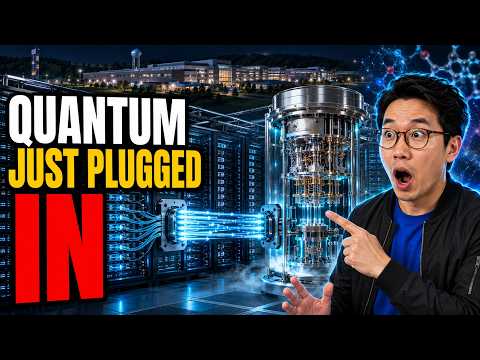
At a glance, a quantum computer mirrors no ordinary machine. While traditional computers plod through computations in binary, quantum computers leap through them in a cascade of probabilities. Picture these computers as being able to perform many calculations simultaneously instead of sequentially—a feat akin to contemplating multiple universes of possibility at once.
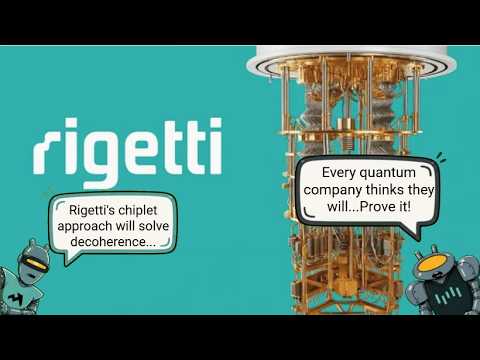
Yet this vast capability is shackled by decoherence, a fundamental challenge where quantum states lose their stability. Many companies aim to construct gargantuan, unified chips to solve this. Rigetti, however, dances to a different tune. By utilizing chiplets—miniaturized, replaceable components—they might just have found an unlocked door to solving this problem. It’s modularity where agility reigns over bigness. Each chiplet, if malfunctioning, is easily swapped. A small step to mitigate decoherence, yet potentially a giant leap in quantum mechanics.
Their strategy has not gone unnoticed. A $100 million endorsement from the government not only bolsters confidence in their ability but also hints at a national stake in reshaping computing’s future terrain. This financial nudge opens myriad doors while hinting at scalability and practical application.
Investment in such a pioneering approach, however, isn’t without its shadowed risks. Rigetti is backed by promise rather than profit—a leap of faith in a nascent industry. This isn’t just another Google, robust with diversified income streams. With Rigetti, you’re buying tickets for a singular bet, hoping to witness the dawning of a new computing era. It’s a raw, unfurnished space—ripe with potential for both growth and failure.
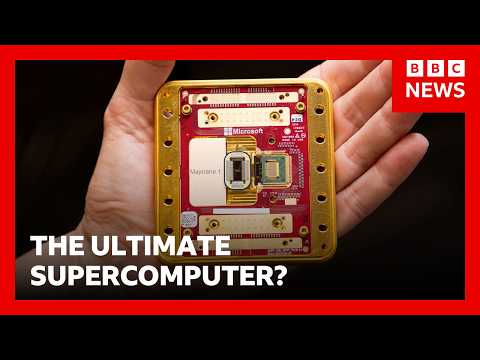
As the threads of quantum computing weave through giants like Google, Microsoft, and Nvidia, who paint the tech’s landscape with broader strokes, Rigetti stands out for its singular focus. While those giants integrate quantum divisions among myriad other innovations, Rigetti singularly pursues this domain, a David in a world of Goliaths, seeking not just participation, but transformation.
The allure of quantum computation lies not only in its technological prowess but in its philosophical implication—hints of a universe knitted together by probabilities. Perhaps, like the universe itself, where pathways diverge into countless possibilities, Rigetti could be crafting the very tools to quantify and calculate those branches.
As for tomorrow—well, that’s still an undiscovered country. But Rigetti’s steady march forward strikes a note of hope. If not them, then another; if another, they’ve offered the groundwork, the reason to dream a bit more. And as quantum pioneers map the unknown, each company, each chiplet holds a piece of that yet-to-be-written symphony.
This is more than just investing in a stock; it’s a tacit nod to the boundless potential of human innovation. The challenge now is not just to consider whether Rigetti will solve decoherence, but how we, observers and participants in this technological renaissance, prepare for the world they’ll help create.
—