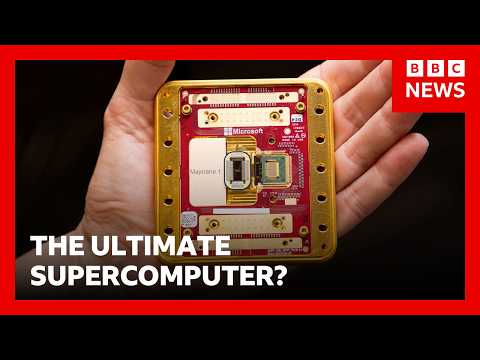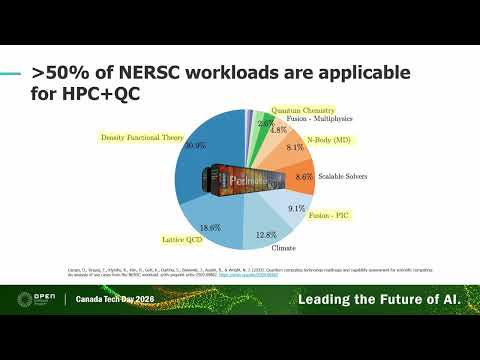
As the shimmering frontier of quantum computing gradually extends beyond the confines of the laboratory, a quiet revolution is underway. It’s a revolution less about the thrilling race to achieve quantum supremacy and more about the slow, steady integration of quantum systems into the existing kaleidoscope of high-performance computing (HPC) infrastructures. This convergence isn’t just a technical preference; it’s an existential necessity for those wanting to harness the true potential of quantum technology.
Based on content from Open Compute Project
The transition into operational deployment can often feel like trying to merge two distinct worlds. On one hand, we have the ethereal, almost mystical realm of superconducting qubits operating in the near-zero pressure of cryogenic environments. On the other, the robust, terrestrial domain of classical computing, which has been honed over decades to handle increasingly complex tasks with ever-increasing efficiency.
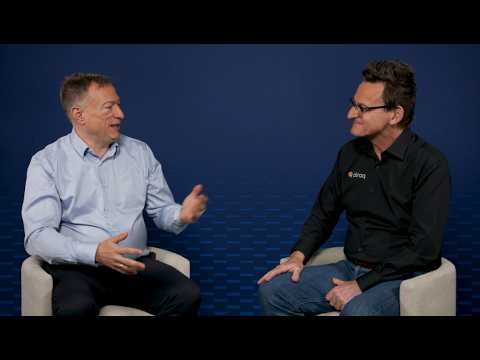
Dr. Alireza Najafi-Yazdi, Founder and CEO of Anyon Systems, shared insights into their journey of deploying superconducting quantum computers alongside traditional HPC systems. From this vantage point, Najafi-Yazdi perceives co-location as paramount—a choreography that not only facilitates tight integration but ensures the feedback loops remain swift, calibration efforts effective, and workload orchestration scalable.
But why is this blend so pivotal? Cloud-based quantum solutions may have pioneered early experimentation, but for real-world, latency-sensitive tasks—and they are increasingly myriad—on-premises setups are irreplaceable. The limits of cloud latency become glaringly evident when real-time interaction between quantum and classical systems is required.
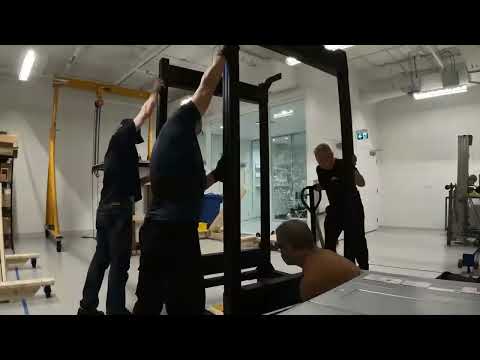
Through the story of Monarch, a 24-qubit superconducting quantum computer deployed at Calcul, Najafi-Yazdi narrates the tale of a tensile engineering endeavor. Monarch isn’t just a technical marvel; it’s a testament to the delicate dance between innovation and practicality. Encompassed within a 3x3x3 meter frame, the system includes vital components like a dilution fridge capable of reaching millikelvin temperatures, demanding structural considerations that are often overlooked but crucial.
Herein lies a poignant observation: The infrastructure aspect of quantum-classical convergence must be navigated with foresight. Data centers, once static monuments to past technological cycles, must now be dynamic, ready to adapt to the delicate requirements of quantum systems. The longevity of the infrastructure, including water-cooled systems and cryogen-free operations, underscores this need for adaptability.
Yet, even as quantum systems physically join data center landscapes, other complexities emerge, not least of which is job scheduling. A quantum computer spans the entire facility rather than being a discrete, readily-accessible node; thus, managing workloads becomes a tapestry of logistical challenges. For the first time, facilities encounter the scenario where one precious quantum processing unit (QPU) must serve multiple clients while maintaining the highest standards of data sovereignty and security.
This evolving orchestration, often managed by solutions like Anyon’s Thunderhead, requires a seamless, multi-tenant architecture that segregates job submissions from various stakeholders—a digital diplomacy, if you will. Moreover, it demands that industry vocabularies and terminologies, like definitions of fault and downtime, evolve to fit this new paradigm.
In this interplay between quantum and classical worlds emerges a central tenet: The quantum-classical convergence is fundamentally an infrastructure problem. Before scalability challenges are fully faced, we must establish a groundwork robust enough to support the labyrinthine demands of these quantum systems.
As the shadows of what’s been revealed subtly shift and refocus, the Open Compute community stands at the cusp of facilitating solutions that embrace these complexities at an infrastructural level. Perhaps the conversation should not merely ask how we integrate quantum technology into existing frameworks but rather how we adapt our frameworks for the transformative potential of quantum technology.
In an era marked by the digital metamorphosis, where will the conversations at this intersection lead? Perhaps, pointing the compass towards where quantum bits will not just coexist, but symbiotically amplify classical computing capabilities, inviting new possibilities into the realm of the possible.
—