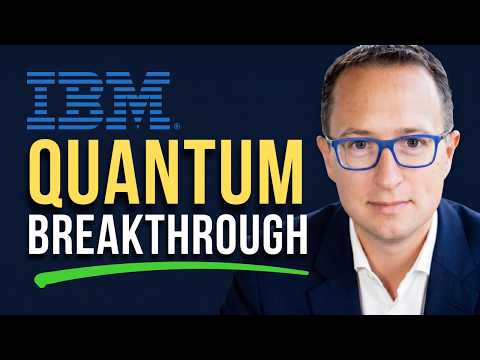
When reflecting on the rapid advancements in technology, quantum computing often feels like a bridge too far—or at least it did until now. Picture this: a future where computers can solve problems so complex that even today’s most powerful supercomputers would falter. That future is not as distant as it might seem, thanks to recent developments like IBM’s LOM (short for “Lots of Magic”—not its real name, but wouldn’t that be fun?) chip, which promises to usher in an era of useful quantum computing possibly by the year 2029.
This video is from FranksWorld of AI.
The notion of a “useful” quantum computer extends far beyond faster email processing or more efficient everyday applications. Instead, quantum computing’s potential lies in its ability to manage and decipher incredibly complex problems—challenges that traditional computers can hardly dream of solving. These issues encompass everything from designing revolutionary drugs to optimizing vast and intricate logistical networks and maybe even aiding in advancing clean, sustainable energy solutions like fusion power.
What fascinates me here is not just the technology itself, but the shift in thinking it represents. When we discuss the LOM chip, we’re not just talking about a smaller, faster processor. This isn’t merely an upgrade—it’s a complete overhaul of the foundation of computing. Traditional computers work on principles of classical physics, using bits as the basic unit of data, which can be either a 0 or a 1. Quantum computers, however, use qubits, which can simultaneously be both 0 and 1 thanks to a principle called superposition.
But here’s where things get traditionally tricky with quantum mechanics: quantum systems can be delicate, losing their quantum state too quickly in a phenomenon called decoherence. The brilliance of the IBM LOM chip lies in its ability to make qubits more robust, interconnected, and less prone to this quick decoherence. This is the real breakthrough; addressing one of the major challenges that has hampered the practical application of quantum computing.
Imagine a world where new materials are invented, drugs are designed to target illnesses with unprecedented accuracy, and global logistical systems are streamlined for ultimate efficiency. These ideas represent just the tip of the iceberg for potential applications of quantum computing. The impacts, as you might guess, are vast and varied. In the worlds of materials science, pharmaceuticals, and finance—just to start—quantum computing will likely herald unprecedented advancements.
Yet, we must temper our excitement with a healthy dose of reality. The road to this quantum future is fraught with significant hurdles. Scalability remains a major challenge; how do we build quantum computers with enough stable qubits to perform these complex calculations on a global scale? Furthermore, error correction and the development of user-friendly quantum programming tools are ongoing battles that need to be won.
But let’s not get bogged down by the obstacles. Instead, think of how the innovation wheel is continuously turning, pushed forward by milestones like the LOM chip. By 2029, we’re not just looking at having these powerful quantum machines; we’re looking at a refined, almost reinvented landscape of computational capabilities.
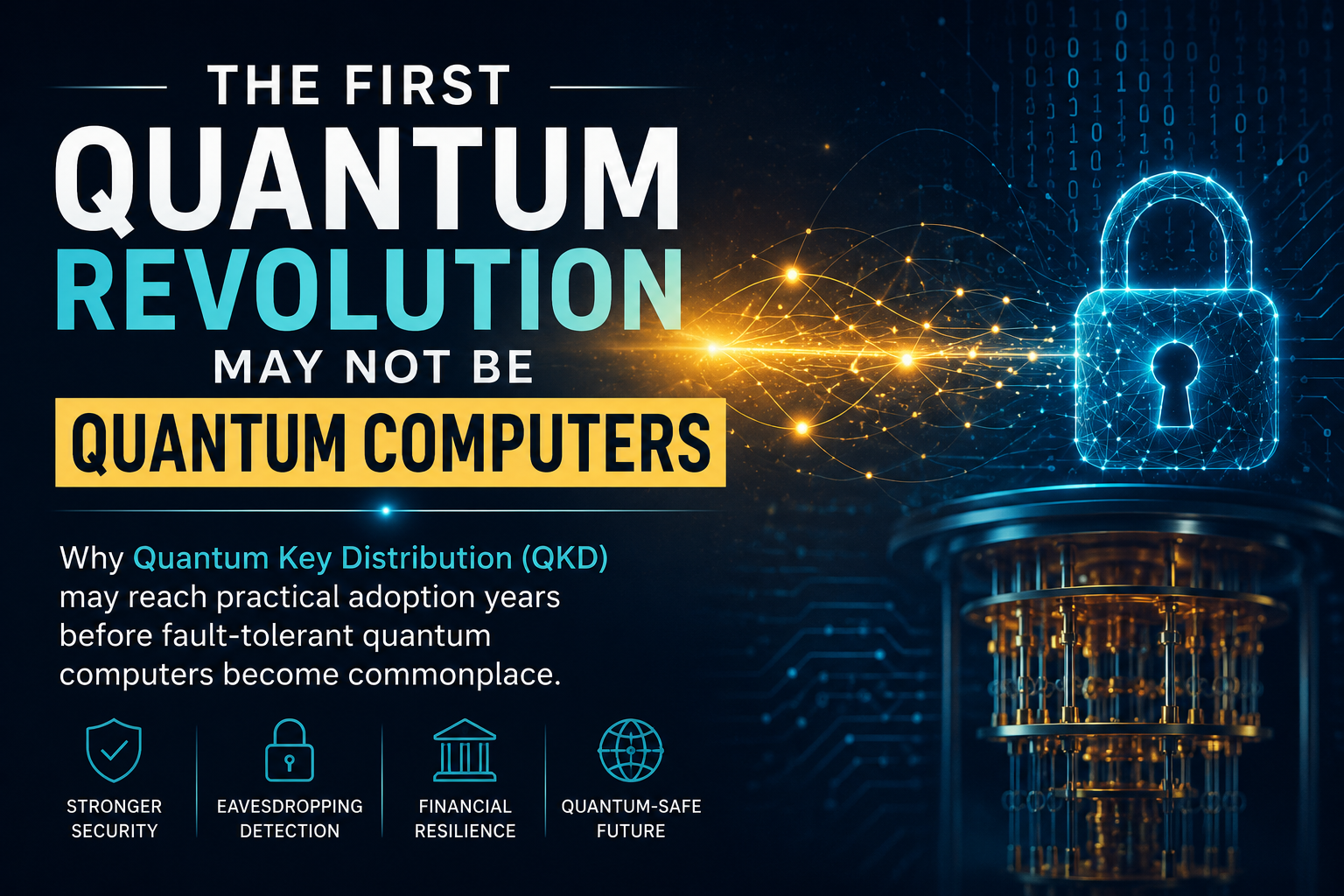
Predicting what’s next after such a quantum leap is like trying to forecast the weather on another planet. Yet, we can make educated guesses. Once we’ve harnessed the power of quantum computing, the next wave of innovation could revolutionize AI research and bring about new breakthroughs in secure communication—think quantum cryptography. The realm of possibilities stretches beyond the horizon.
As we stand on the precipice of this revolutionary shift, it’s crucial for enthusiasts, professionals, and casual observers alike to stay informed and engaged. If you’re intrigued by the quantum world and the broader landscape of technology, I encourage keeping up with all these tremendous advances.
This journey into the quantum realm isn’t just about faster computing—it’s about reimagining what’s possible. As we continue to track these developments, one thing remains clear: the future is an exciting place, and quantum computing is ready to take us there.