Imagine a future where the toolbox for tackling complex computing and technology challenges includes not just classical bits or brains of artificial intelligence, but adds another ally — quantum bits, or qubits. This isn’t a scene from a sci-fi movie; it’s the unfolding reality in the world of advanced computing.
Recently, I delved into an enlightening discussion about quantum computing’s thrilling advances, specifically focusing on IBM’s ambitious pathway towards significant quantum capabilities. This dialogue revealed not only the grit of technological progress but also provided food for thought on where we might be heading in terms of computational prowess.
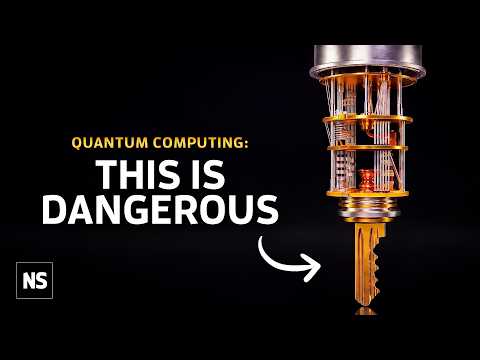
This video is from John Koetsier (AI, robots, tech).
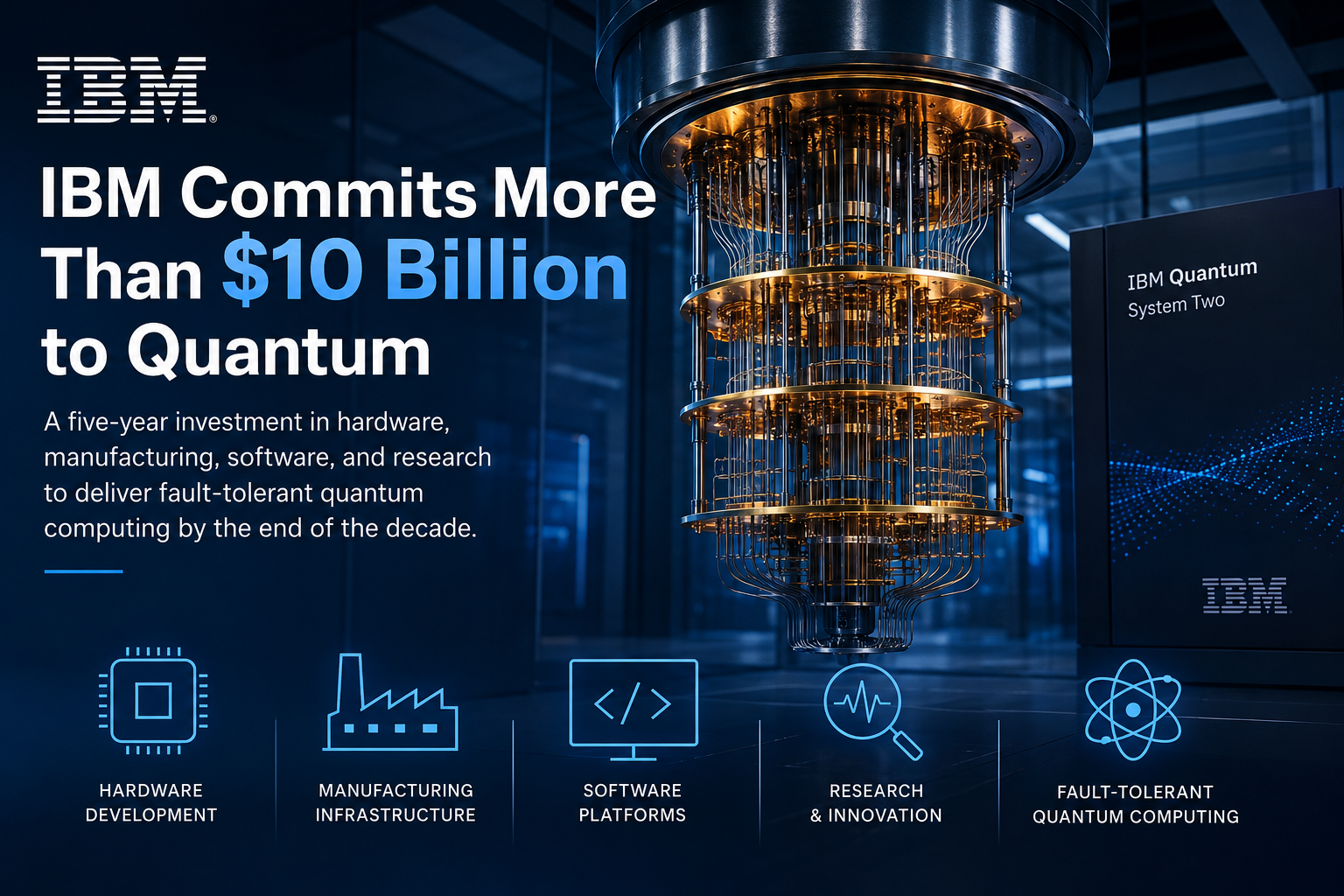
Let’s talk about IBM’s canvas of the computing universe, where bits, neurons, and qubits converge. In tech-speak, this convergence promises a symphony of traditional computing, AI, and quantum computing, harmonizing to tackle tasks deemed insurmountable by today’s standards. IBM isn’t just dreaming; it has a roadmap to deploy a fully fault-tolerant quantum computer by 2029, branded under the code name “Starling,” featuring 200 logical qubits capable of running 100 million quantum operations.
For those who may find these numbers mind-numbing, let’s distill it down— envision quantum computing as a high-caliber engine designed to solve complex equations faster than today’s most powerful supercomputers. While quantum computers won’t replace traditional PCs, they could excel in fields where even the most powerful classical computers stumble, such as highly intricate chemical simulations or optimizing large systems.
One highlight of IBM’s roadmap is the introduction of a new fault-tolerant quantum processor using a novel error correction code, dubbed the “bicycle brier code.” This development is pivotal. Fault tolerance in quantum computing is about ensuring that a quantum computer can function accurately even when some of its components, specifically qubits, make errors due to quantum decoherence or other issues. Think of it as a car equipped with systems to prevent accidents even if parts fail unexpectedly.
Moreover, beyond just the hardware, IBM’s vision includes maximizing the impact of quantum computers by integrating them with classical systems. There’s a stunning symbiosis here; imagine a scenario where quantum and classical computing work in tandem, offloading tasks to each other based on their respective strengths. This mirrors how different parts of an engine work together, each playing a role to maximize efficiency and power output.
Another fascinating aspect is the scaling and accessibility of quantum computing. IBM has shifted from bespoke, one-off quantum systems to more standardized models that could, one day, inspire industry-wide adoption. This transition is akin to the automotive industry’s evolution from custom-built models to mass-produced vehicles—a critical step towards making advanced technology accessible to a broader audience.
To contextualize the impact of these developments, consider the challenges that quantum computing can tackle. For instance, IBM demonstrated how quantum computing could explore the ground state energies of complex molecules. This might sound esoteric, but in practical terms, it relates to creating new materials, medicines, and even better energy storage technologies.
At the granular level of technological craft, building a quantum computer involves an intricate ballet of physics, engineering, and computational science. Each qubit must be finely tuned and integrated into a larger system that respects the delicate nature of quantum states. This process demands not only sophisticated manufacturing techniques but also a forward-thinking design philosophy that balances innovation with robust error correction capabilities.
While this roadmap is promising, it’s not just about moving forward with a single thread. It’s about creating an ecosystem involving government, academic, and industrial cooperation, fueling both technological advancements and applications that we have yet to fully imagine.