Picture a world where your private data is truly unhackable, even against the most powerful supercomputers. This isn’t some distant sci-fi scenario. It’s the near-future reality of quantum cryptography. But how does it actually work, and what does it mean for the future of your online security?
Why Today’s Encryption Might Not Hold Up
Most of the encryption we use today relies on the idea that some mathematical issues are too time-consuming to solve. But with quantum computers getting closer, algorithms like Shor’s could crack systems like RSA and elliptic-curve cryptography in a fraction of the time. That’s where the “harvest now, decrypt later” strategy becomes a genuine concern. Attackers can now store encrypted information and wait until they have the quantum power to unlock it. With everything from financial data to health records and national intelligence floating online, it’s clear that we need a more resilient form of protection.
How Quantum Physics Changes the Game
Quantum cryptography doesn’t rely solely on mathematics. It taps into the laws of physics. Imagine two dice rolled far apart, yet they always match; that’s called entanglement. These quantum behaviors make it possible to create communication channels where any attempt to snoop is immediately noticeable. The no-cloning rule in quantum mechanics renders it impossible for an attacker to copy a quantum state perfectly, ensuring that secrets remain confidential.
Quantum Key Distribution in Real Life
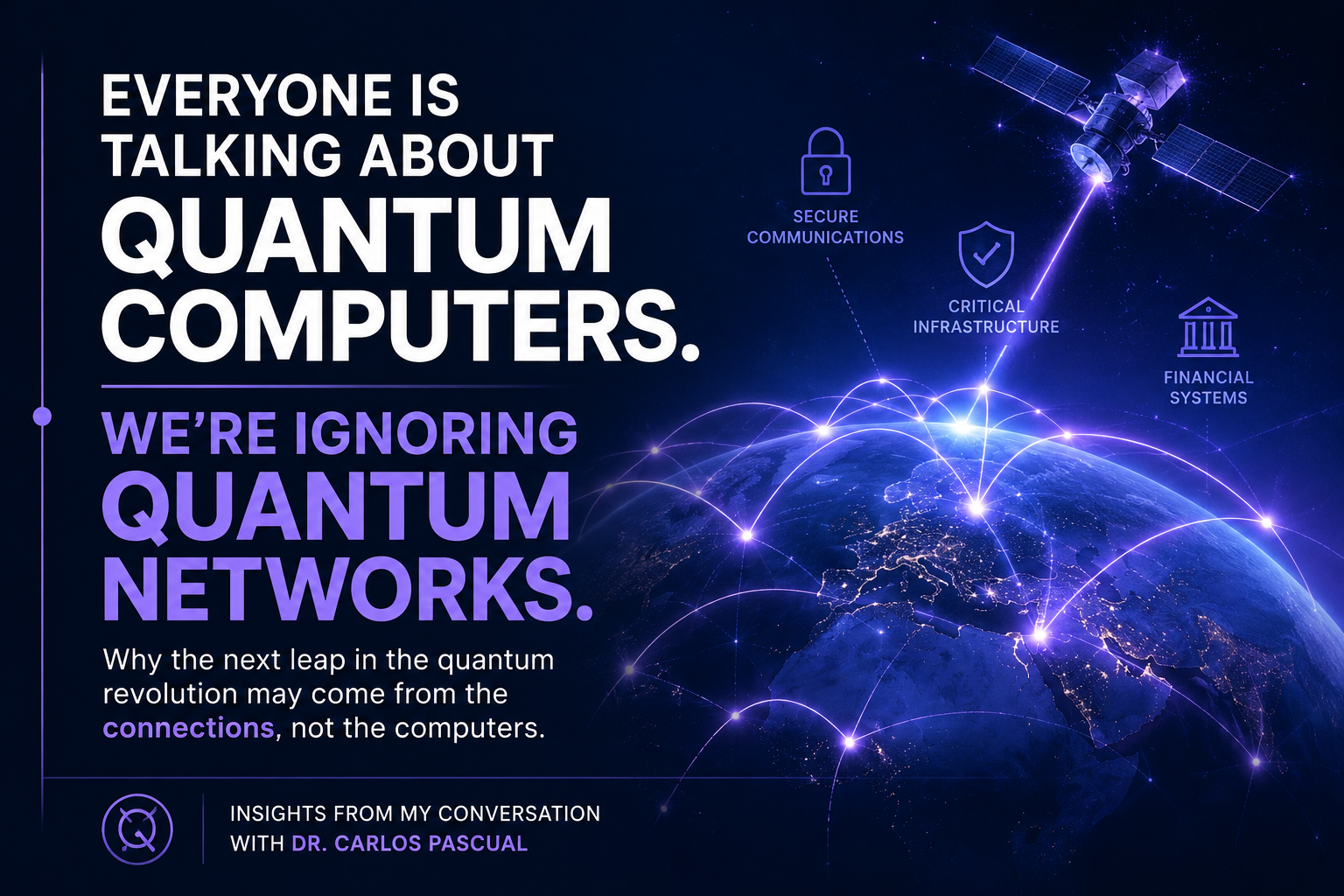
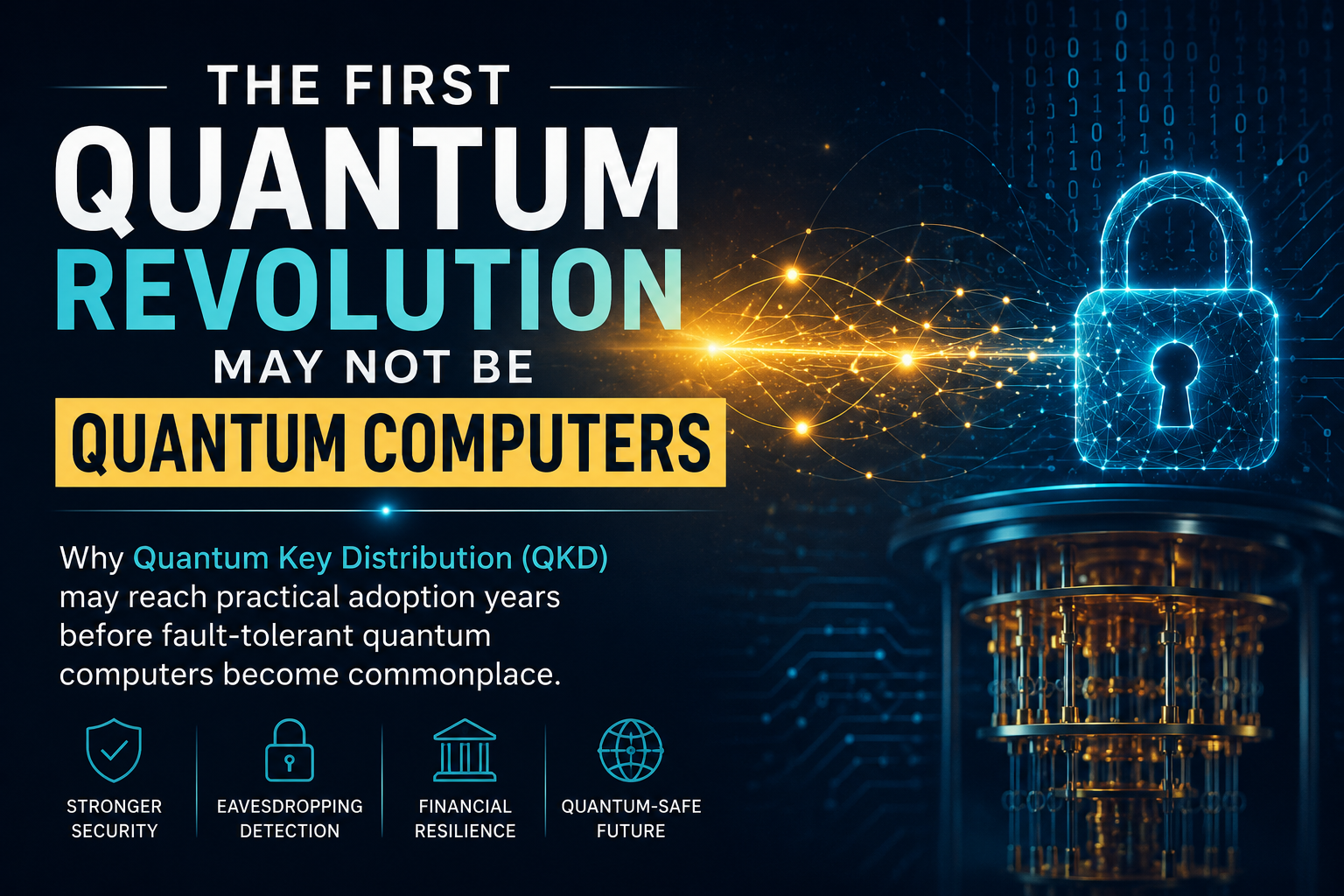
The core of quantum cryptography is Quantum Key Distribution (QKD), and the BB84 protocol is the one that started it all. QKD lets two people share an encryption key by sending photons in specific states. If someone tries to listen in, the quantum properties shift, revealing the intrusion immediately. This isn’t just theory. China has tested QKD via satellite. European banks are exploring it for secure transactions. It’s happening, and it’s working.
What’s Next: More Than Just QKD
QKD is just the beginning. Researchers are looking into quantum digital signatures, quantum money, and mixed systems like post-quantum cryptography (PQC), which uses traditional algorithms that can withstand quantum attacks. Scaling QKD still presents hurdles, including cost, infrastructure, and distance. Progress is moving fast.
Looking Ahead: A New Standard for Security
Quantum cryptography flips the script. Instead of relying on the complexity of math, it anchors security in the unchangeable laws of physics. Its potential impact on finance, healthcare, defense, and personal privacy is massive. In a quantum-powered world, secure communication won’t just be possible. It will be built in by design.
Stay Connected
Follow our journey and be part of the conversation:
🔗 Find us on LinkedIn
📬 Join our mailing list
📺 Subscribe to our YouTube channel