It often starts unnoticed—the subtle unraveling of what once was theory into tactile reality. In the world of technology, a quiet revolution is underway, where quantum computing is shifting from the perplexing abstract to something we can finally, almost, touch. This transformation is more than a technical feat; it’s a realm of new possibilities that reverberates far beyond the confines of our current understanding.
At this pivotal juncture, where quantum theories flutter on the cusp of reality, companies like Hewlett Packard Enterprise (HPE) are leading the charge. Through years of tireless research and a tapestry of global partnerships with major quantum innovators, HPE finds itself at the forefront—on the edge of dreams and practicality.
Based on content from HPE
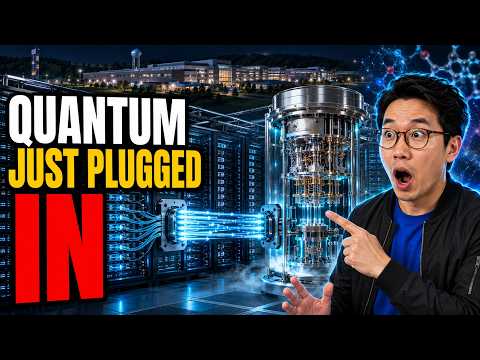
Picture a system that binds quantum processors to the familiar robustness of classical supercomputers. This union, delicately controlled by AI-driven mechanisms, creates an infrastructure that dances between the quantum and the classical. Such an integration not only pushes the boundaries of computation but also promises to tackle some of the world’s most intricate challenges.
The significance of this evolution is worth pausing over. Quantum computing, for the longest time, seemed like the speculative terrain of physicists and theorists—a future so distant it mythologized itself. But as HPE demonstrates, we are witnessing the nuances of its emergence amidst the traditional paradigms. By converging supercomputing, AI, and quantum technologies, the solutions of tomorrow begin blossoming today.
Yet, as we reflect on what this breakthrough means, an alternative perspective offers a salutary reminder that technology’s advancement is not an end in itself. The excitement must be tempered with a respectful nod to the challenges that accompany such leaps. Quantum computing’s capacity to redefine fields like cryptography and cybersecurity invites not only innovative solutions but also necessitates cautious navigation through potential vulnerabilities.
Moreover, as this technology ripens, it prompts an examination of resource allocation. Balancing vast computational power with sustainable practices is imperative—posing open questions about how we harness such energy-intensive technologies responsibly.
What does it mean, then, for quantum theories to alchemize into our reality? It could mean a reshaping of industries—from healthcare, optimizing treatment plans through quantum simulations, to finance, where algorithmic trading could ascend to unforeseen levels of precision. The implications spread like ripples from a single drop. Each industry is a leaf, and quantum computing the wind that subtly shifts them all.
In this moment of convergence, much like an artist meticulously adding the final strokes to a masterpiece, we grasp the potential of quantum computing as it unfurls. However, amid this realization, it becomes clear that the story is not only about what we can achieve with these technologies but also about the kind of future we wish to sculpt. It’s a question each of us is prompted to reflect upon: How will we wield the immense power of quantum computing in a way that enriches the human experience without compromising our ethical compass?
As we stand on the threshold, the narrative is ongoing. This is just the beginning, and the dialogue surrounding these advancements will undoubtedly deepen over time. Now, we look ahead with tempered hope and curious intent, pondering: What shape will our world take when quantum computing becomes fully integrated into the fabric of society?
—