It’s a funny thing, quantum computing. As much as it feels like a subject plucked from the realms of science fiction, it also carries the weight of urgency similar to that of an unopened electricity bill. Dr. Robert Sutor, a seasoned navigator of this emerging technological ocean, provides a compelling discourse in a recent episode of Thinking On Paper, urging us to separate the murmurations of hype from the solid footsteps of progress.
Based on content from Thinking On Paper
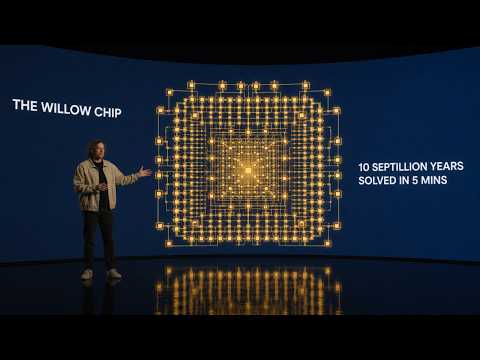
Dr. Sutor offers the assurance that while headlines may tug at the seams of quantum reality, there are glimmers of tangible achievements beneath layers of bombastic claims like “quantum supremacy” and “quantum advantage.” These terms might sound impressive, but they are often more melodramatic than pragmatic. They resonate more with the desire for historical immortality than with scientific integrity.
In the realm of scientific discovery, there are two parallel paths unfurling. On one, we’re still in what Sutor dubs the “prehistory” of quantum computing—an era where achievements, however groundbreaking they may appear, are akin to etchings in stone compared to the colorful vistas the future promises. The other path is laden with engineering discipline, where the rigor and precision slowly sculpt what could be described as the golden age of quantum.
The engineering aspect of quantum computing is particularly intriguing. While science sings the melodious tunes of possibility—hypotheses of reduced qubit requirements and algorithms yet to anchor into reality—engineering tests the wind through the rigging, striving to pilot the ship across uncharted waters. This dance between theoretical potential and practical implementation is where quantum’s heartbeat resounds most clearly.
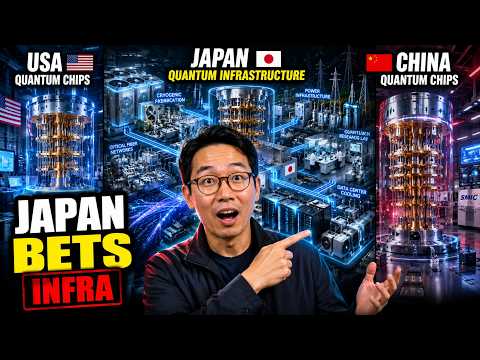
Then there is the question of economic viability and sovereignty—a venture transformed into a competitive sport, where countries like the United States, France, and China sprint towards quantum primacy, pouring billions into nascent industries. But what motivates this modern-day alchemy? It’s a trident of influences: money, national sovereignty, and the ever-simmering pot of technological advancement. In funding these initiatives, governments worldwide are not just betting on financial returns but also on securing technological autonomy and protecting national interest.
In examining the quantum landscape, one must also ponder the role of Chinese efforts, shrouded as they often are in both mystique and speculation. We cannot decisively declare who leads the charge in quantum innovation, but what remains clear is the global diligence and attention fixed upon this rapidly evolving field.
The implications stretch beyond national borders. Quantum computers are poised to tackle classically intractable problems, potentially revolutionizing fields like cryptography, molecular chemistry, and beyond. But these dreams rest on creating systems that are more reliable, larger, and fault-tolerant than today’s iterations.
Practical advice closes this discussion—learning to differentiate between the clamor of veiled promises and the genuine advances of innovation. It’s wise to maintain both skepticism and hope, navigating the headlines with an awareness of their broader implications. This balance between dream and discipline, hype and hope, is where real insight can be cultivated.
In the end, the conversation gently nudges us to look forward—to keep our skepticism keen but our curiosity keener, pondering not just what we will achieve, but how those achievements might reshape our understanding of computation itself. While the storm of quantum hype may rage, the quiet, steady progress may well guide us to calmer shores, where clarity and capability meet.
—