A new era beckons, one where quantum technologies promise to redefine the very fabric of computing, sensing, and communication. As we stand on the cusp of this transformation, the QED-C Quantum Summit in Washington, D.C., brings into sharp focus the state of the global quantum industry—an industry that is, even now, burgeoning at a pace almost poetic in its ambition and scale.
This summit is not merely a gathering of minds; it is a microcosm of the worldwide community that has coalesced around these technologies, driven by a fervor to collaborate across the spheres of industry, government, and academia. A fitting parallel to this extraordinary convergence was the recognition of World Quantum Day yesterday—a day to reflect on the remarkable journey this field has undertaken in a relatively short span of time.
Based on content from Quantum Economic Development Consortium (QED-C)
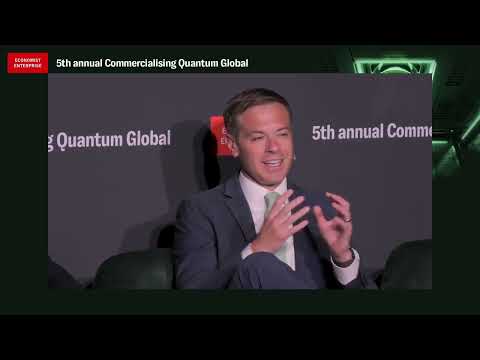
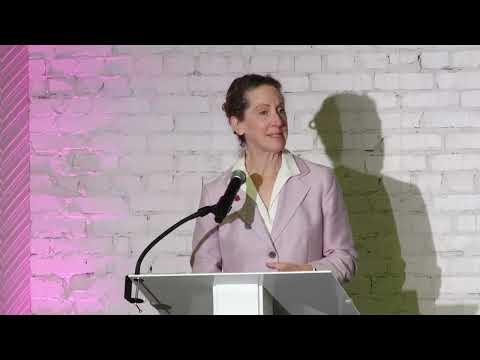
The session commenced with Louisa Savage of the Washington Post Intelligence framing the discussions ahead with a profound observation by Michael Katzios, reflecting on the parallels between quantum computing today and artificial intelligence in its earlier governmental engagements. It’s a narrative that incites reflection; if the trajectory of AI serves as any precedent, it could offer both a roadmap and a cautionary tale for the evolution of quantum technologies—a field that stands resolute, buoyed by a synergy of data-driven insights and cautious optimism.
At the heart of today’s discussions is the latest state of the global quantum industry report by the Quantum Economic Development Consortium (QED-C), a document rich with data and projections. Celia Msbacher, the executive director of QED-C, echoed sentiments of gratitude and anticipation for this milestone achievement, recognizing the National Quantum Initiative Act of 2018 as a cornerstone in the formation of this collaborative ecosystem.
The report provides a mirror held up against the quantum industry—a landscape dotted with emerging patterns of growth, opportunity, and yes, challenges. John Felbinger, Deputy Director of QED-C, offers a deep dive into the key metrics and trends outlined within this expansive report—a repository of insights available for the world to scrutinize, interpret, and act upon.
Structurally, quantum industries are seen in transition from pure research to early stages of commercialization. The steadily growing funding landscape—bolstered by both private venture capital and robust public investment—speaks to a collective readiness to support quantum start-ups and their maturing technologies. Yet, as we reflect on this progress, a quiet admission lingers that despite milestones, we are still in ‘early days’. Here lies a delicately poised tension between anticipation and patience—a testament to the complexity inherent in revolutionizing the technological frontier.
Financial data suggests healthy revenue prospects with some segments forecasted to achieve double-digit growth, underscored by expanding international investments. Yet, the crux of the matter remains a puzzle in fragmentation—quantum computing currently lacks a dominant modality akin to silicon CMOS in the semiconductor sector, and quantum sensing teeters in silos, echoing a need for consolidation and standardization distinct in its absence.
Global engagement reveals an intricate network of over 7,000 engaged organizations, painting a truly global tapestry of quantum-concerned entities fervently weaving their contributions across continents. As geopolitical boundaries blur in pursuit of technological excellence, we find an increased presence of multinational corporations—a testament to the necessity of cross-border innovation and collaboration.
The narrative that emerges from this summit is one of cautious optimism. Quantum technologies are veering toward a period of pragmatic development and potentially groundbreaking applications. However, amidst these promising insights, an essential inquiry resonates: How prepared are we as a global community to seamlessly integrate these quantum advancements into the technological lexicon of everyday life? This remains a question, or perhaps, a challenge that will invite scrutiny and engagement as quantum technologies inexorably take center stage in our collective future.
In contemplating these underlying currents of development, a final note from the summit posits an invitation to ongoing exploration—both of the tangible and the nascent possibilities that quantum technology harbors. It is a burgeoning field that is as much about questioning as it is about answering, and where each quantum leap invites us to envision, explore, and embrace a deeper understanding of the potential that unfolds before us.
—