Quantum computing has been hailed as the technology of the future for decades. Yet, the reality of a functioning quantum computer that lives up to the hype has seemed elusive. But why is it such a challenge to get right, and could this be about to change?
Based on content from NOVA PBS Official
The Quantum Quest: Understanding the Basics
Let’s start by peeling back the layers of mystery surrounding quantum computers. At its core, quantum computing leverages principles from quantum mechanics, the branch of physics that delves into the subatomic world. One of its mind-bending concepts is superposition, the idea that particles can exist in multiple states simultaneously, like a coin spinning where you can’t tell if it’s heads or tails.
In the classical computing world, data is processed in binary code — bits, represented by 0s and 1s. Quantum computers, however, use qubits, which can be 0, 1, or both at once, opening a realm of possibilities for solving highly complex problems much faster than traditional machines ever could.
Overcoming the Challenges: The Decoherence Dilemma
The reason we haven’t yet seen fully practical quantum computers is largely due to decoherence. Qubits are highly sensitive to environmental factors, which can cause them to lose their quantum state, leading to errors. The more qubits you introduce to a chip, the higher the risk of these errors.
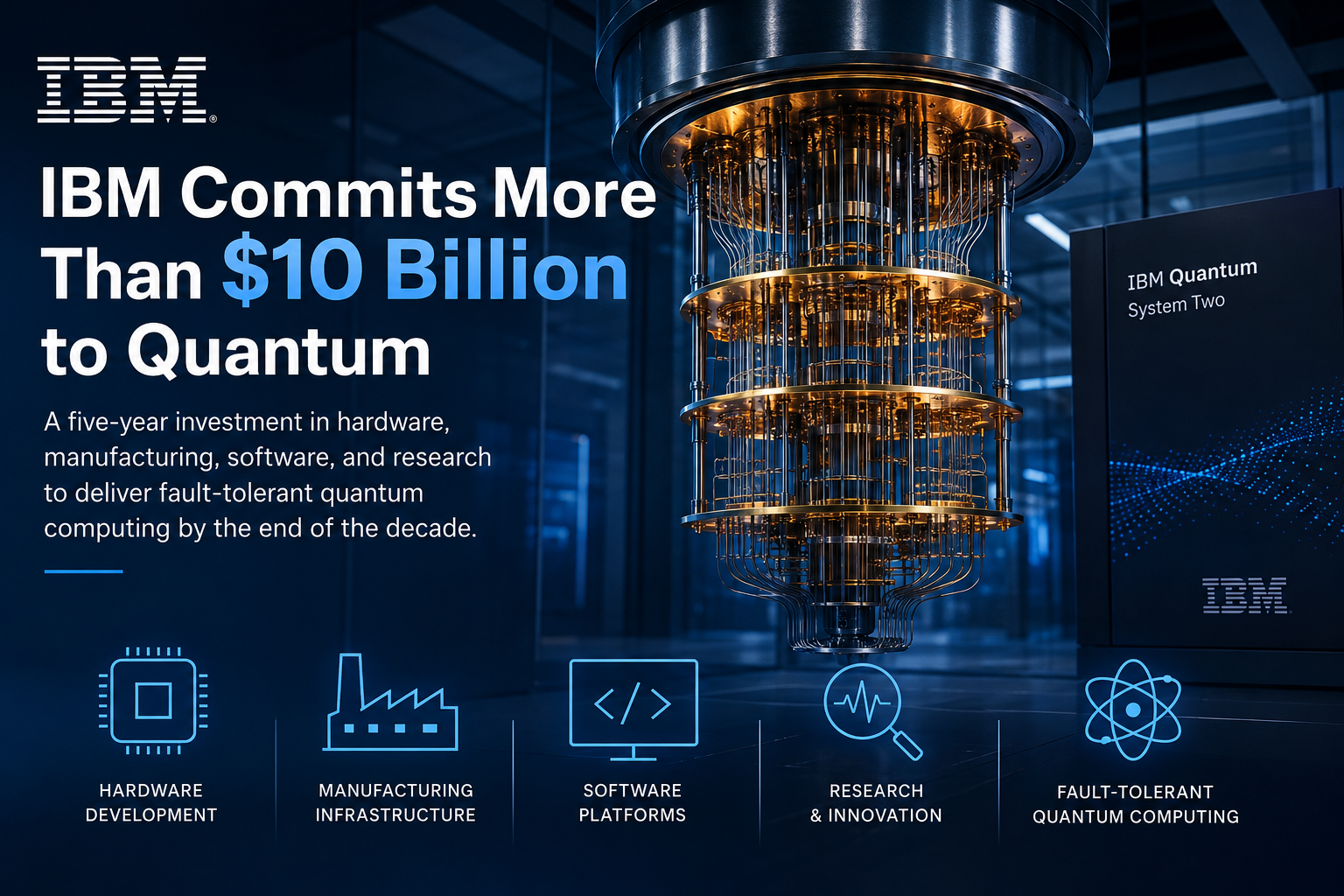
Tech giants like IBM and Google have been experimenting with quantum systems using superconducting materials, needing extreme cold conditions, while Xanadu, a Canadian company, has turned to photons for creating qubits.
Microsoft’s Bold Move: Enter Majoranas
In early 2025, Microsoft upended the conversation by announcing a potential breakthrough using Majorana fermions — exotic particles that are their own antiparticles, capable of theoretically existing in two states. This development has been met with both skepticism and excitement. While the full extent of their claims is yet to be verified, this could pave the way for stable, scalable quantum computing faster than ever imagined.
The Looming Impacts: Promise and Peril
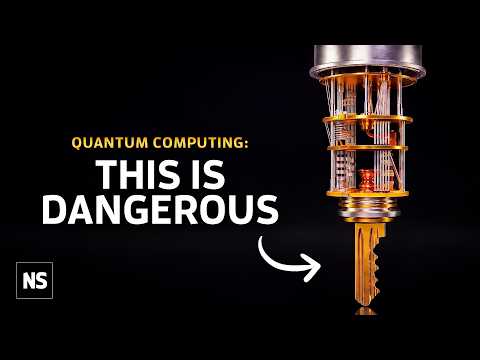
If quantum computing becomes a reality, it will transform numerous fields. We could simulate molecular interactions, leading to new breakthroughs in medicine and materials science. Yet, it also raises concerns about cybersecurity, as quantum computers could potentially decode encrypted information rapidly, reshaping privacy as we know it.
As we stand on the brink of this technological revolution, it is inspiring to consider the potential for both constructive and destructive applications. The question is: Can we handle this new power responsibly?
For more insights into the possibilities of quantum computing, watch further discussions and documentaries on NOVA and stay updated with their latest content through their newsletter and social media channels.