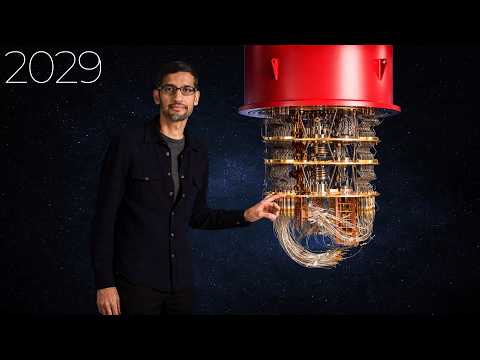
As the world pushes toward the unfathomable horizons of quantum computing, few announcements carry as much weight as Google’s recent declaration. Setting a 2029 timeline for a comprehensive shift to post-quantum cryptography, Google is not merely casting a shadow of urgency but also illuminating a path towards preparedness. It’s as if Google is standing at the precipice, urging the world to look more deeply into the chasm between our current security frameworks and those required by quantum advancements.
In dialogue with a rapidly evolving technological landscape, Google’s commitment reveals more than just a timeline. It hints at an expanding confidence in the progress of quantum computing itself—a confidence echoing through the corridors of industry and government alike. Imagine the unseen hands of researchers calibrating the trembling scales of possibility and risk, weighing the tangible against the alluring abstract. It is a call to action that demands we begin preparing now, crafting shields robust enough to withstand future quantum threats that could potentially unravel today’s encryptions.
Based on content from The Quantum Bull
The gravity of this undertaking isn’t solely Google’s burden to bear. It resonates through the actions of governmental bodies, too. The U.S. State Department’s announcement of the formation of its Bureau of Emerging Threats signals an institutional pivot towards addressing cyber risks entwined with AI and quantum technologies. Here, the notions of security extend beyond the digital to encompass critical infrastructure, grounding ethereal threats into tangible concerns—a preparatory step towards safeguarding the integrity of a nation’s backbone.
Yet, the narrative doesn’t rest solely in the corridors of tech giants and government halls. Enter John Martinis, freshly appointed to the President’s Council of Advisors on Science and Technology. A Nobel Prize-winning physicist, Martinis embodies the fusion of scientific acumen and strategic policy direction. His presence in this advisory role places quantum expertise directly into the fabric of innovation policies that guide a nation’s future. The texture here is one of strategic foresight, ensuring that science and technology policies remain relevant as the quantum frontier inches closer.
These developments, however, sprout in a soil of complexity. The potential arrival of commercially relevant quantum computers before 2030 casts a whispering shadow across stock markets already struggling under the weight of high-beta technology stocks. It suggests resilience where others see volatility, painting a picture of the quantum sector as one gaining unrelenting momentum despite turbulent market conditions.
One must pause to consider alternative perspectives. Yes, Google’s timeline creates urgency, but it also demands critical reflection on the feasibility of integrating widespread post-quantum cryptography within this timeframe. Will industries beyond tech giants be able to comprehend and adapt to meet this timeline, or will some sectors lag, creating vulnerabilities within our interconnected systems?
As we peer forward, the landscape is one of both challenge and opportunity. The advancement towards post-quantum cryptography is not simply about insulating data but reshaping the structural integrity of our digital ‘realms.’ The silence here teems with the unspoken weight of transformative expectation. Each step toward 2029 is a testament to resilience and innovation, and while uncertainties linger, the question that looms in the background remains: will we be ready?
In this quiet moment of pondering, Google’s timeline becomes more than just a date. It evolves into a collective call to embrace foresight and readiness, challenging us to imagine and build a future secured not only by code but also by the wisdom of preparedness.