The quantum computing landscape is buzzing with innovation, a frontier attracting visionary startups and established tech giants alike. Yet as the initial euphoria surrounding quantum breakthroughs subsides, a clear strategic advantage is emerging for companies such as Microsoft, Alphabet (Google), and IBM. While agile pure-play quantum startups have made significant strides, their inherent vulnerabilities, primarily limited capital and dependence on a single, nascent technology, make them inherently riskier long-term investments compared to their Big Tech counterparts.
The Financial Firepower Advantage: A Marathon, Not a Sprint
Quantum computing is less of a sprint and more of an ultramarathon. It requires substantial, sustained investment in research and development, advanced fabrication facilities, and the recruitment of elite scientific talent. This is where Big Tech’s “deeper pockets” become an insurmountable advantage.
Consider the scale:
- Microsoft has committed billions to its quantum efforts, integrating it into its Azure cloud ecosystem. Their financial health allows them to absorb years, if not decades, of R&D without immediate ROI pressure.
- Alphabet (Google), with its Quantum AI Campus, continues to invest in superconducting qubit development and quantum algorithm research, supported by annual revenue exceeding $300 billion.
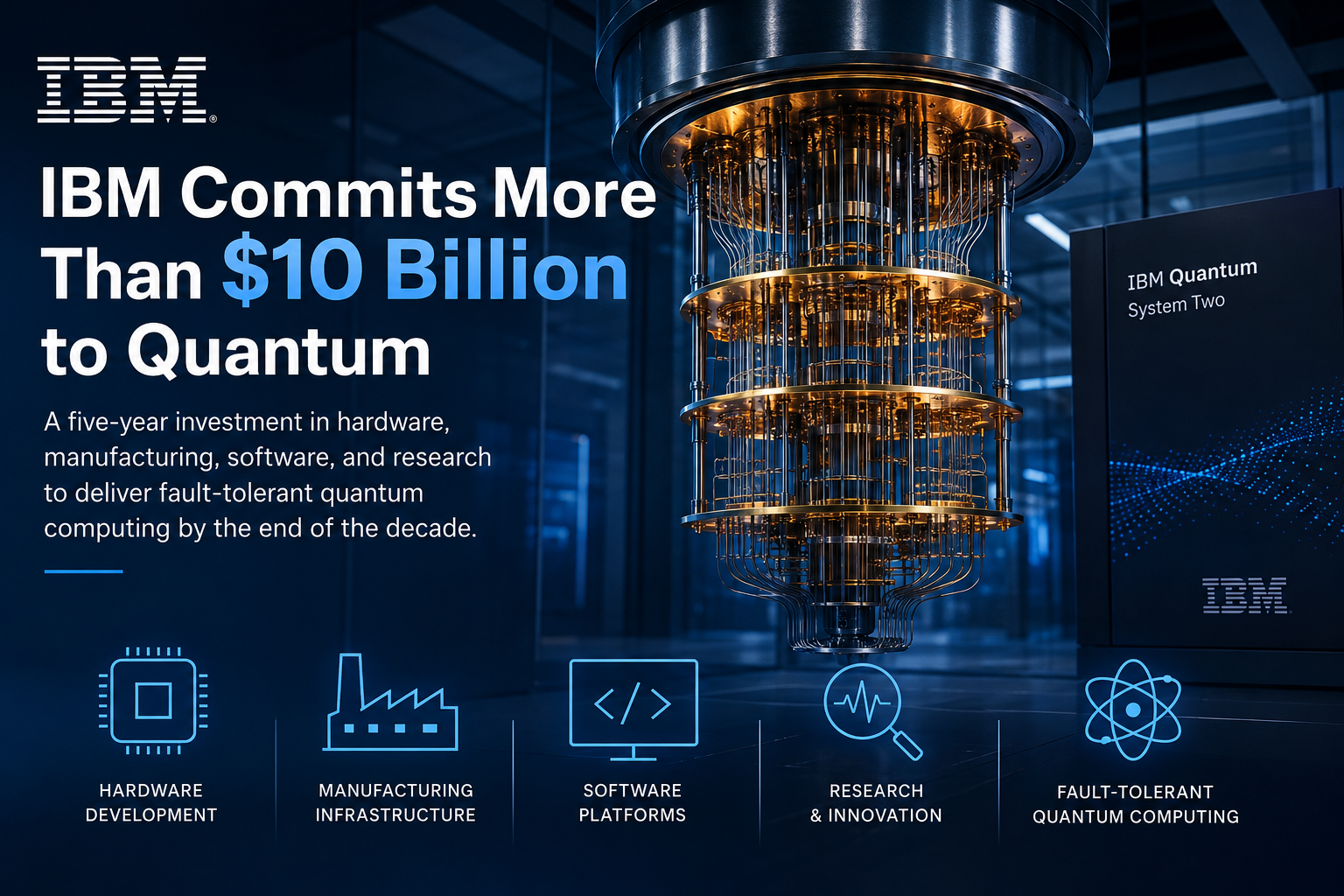
- IBM arguably has the longest track record in quantum computing, having invested in the field for decades. Their enterprise-focused strategy, leveraging IBM Quantum Experience and sophisticated hardware roadmaps, is sustainable precisely because a diverse portfolio of services and software supports it.
Startups, no matter how brilliant, operate on venture capital cycles. They must demonstrate tangible progress and a path to profitability within strict timelines, often 5-7 years. If the commercialization of quantum computing takes longer than anticipated (a highly probable scenario), many will face intense pressure to secure subsequent funding rounds or be acquired. Big Tech, conversely, can play the waiting game. They can afford to invest in foundational science without the immediate need for a product that generates profit, understanding that the payoff, when it comes, will be transformative.
Diversified Revenue Streams: The Cushion Against Quantum Volatility
One of the most compelling arguments for Big Tech’s stability in the quantum realm is their diversified revenue streams. Unlike a pure-play quantum startup whose very existence hinges on the successful commercialization of quantum technology, Big Tech companies have robust businesses generating billions annually.
- Microsoft is not relying solely on Azure Quantum. Its core business includes Windows, Office 365, Xbox, LinkedIn, and cloud services that continue to generate massive profits.
- Alphabet’s advertising empire, Android, YouTube, and Google Cloud provide an enormous financial cushion, allowing its Quantum AI division to operate as a long-term R&D initiative rather than a short-term profit center.
- IBM leverages its enterprise software, consulting services, and hybrid cloud solutions to fund its quantum ambitions, seeing it as a natural extension of its high-performance computing and AI offerings.
This diversification acts as a critical shock absorber. If the quantum market develops more slowly than projected, or if a particular technological approach (e.g., superconducting qubits vs. trapped ions) faces unexpected hurdles, Big Tech can pivot, sustain losses, or wait for the technology to mature without jeopardizing its entire enterprise. For a startup, such setbacks can be existential.
Talent Acquisition and Retention: A Magnetic Pull
The race for quantum talent is fiercely competitive. Top quantum physicists, engineers, and computer scientists are a rare commodity. Big Tech companies possess a significant advantage in attracting and retaining this talent:
- Brand Prestige: The allure of working for a globally recognized company with vast resources.
- Compensation: The ability to offer highly competitive salaries, benefits, and equity.
- Infrastructure: Access to state-of-the-art labs, supercomputing facilities, and massive datasets that startups often can’t match.
- Stability: The promise of long-term career prospects in a stable organization, rather than the boom-or-bust cycle of a startup.
Furthermore, Big Tech can offer researchers the opportunity to work on highly ambitious, long-horizon projects that might not have immediate commercial applications—the very kind of fundamental research that drives paradigm shifts.
Integration and Ecosystem Advantage: Quantum as a Service
Ultimately, quantum computing will not exist in a vacuum. Its full potential will be realized when integrated with classical computing infrastructure, cloud platforms, and existing AI/ML workflows. This is where Big Tech’s existing ecosystems become invaluable.
- Microsoft Azure Quantum provides a seamless interface for developers to experiment with various quantum hardware backends and integrate quantum algorithms into their existing cloud applications.
- Google Cloud is similarly positioned, enabling seamless integration between quantum solutions and its powerful AI tools.
- IBM Quantum Experience is already deeply integrated into IBM’s enterprise offerings, providing a clear path for corporate clients to explore quantum’s potential within their existing IT architecture.
These companies aren’t just building quantum computers; they’re creating entire quantum ecosystems. They understand that the future of quantum computing is not only about qubits but also about their accessibility, usability, and integration into the broader computational landscape. Startups, while innovative in hardware or software, often struggle to develop these comprehensive platforms independently.
Conclusion: Patience, Pockets, and Platforms
While the quantum startup scene will undoubtedly continue to be a hotbed of groundbreaking innovation, the long-term sustainability and ultimate market dominance in quantum computing appear increasingly destined for the tech giants. Their deep pockets provide the necessary financial runway for a technology that demands patience. Their diversified revenue streams offer a crucial buffer against the inherent volatility of a nascent industry. Their existing talent pools and integrated cloud platforms position them to deliver quantum computing as a seamless, accessible service globally.
The quantum future, it seems, will likely be built on the bedrock of Big Tech.