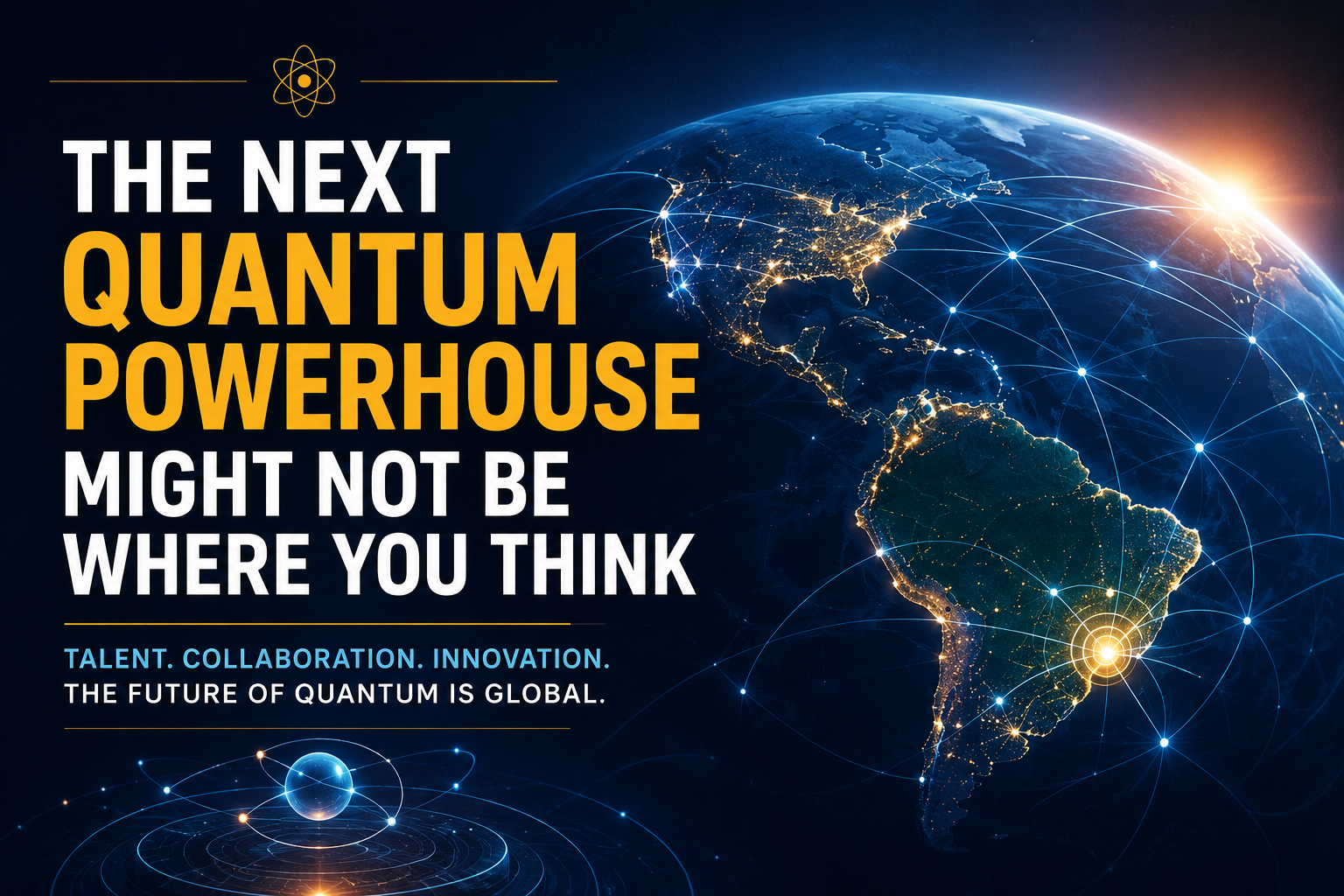
There’s something quietly electric happening in Brazil. A kind of hum beneath the surface of policy papers and lab benches. The country isn’t just dipping a toe into the quantum realm. It’s stepping in with intention, clarity, and a touch of South American flair. Drawing on its rich intellectual heritage in physics, mathematics, and computer science, Brazil is shaping a national quantum ecosystem that serves not just science. It serves sovereignty, society, and self-determination.
This isn’t tech for tech’s sake. It’s a story of alignment: government, academia, industry, and community, all leaning in toward a shared future. Brazil’s quantum strategy isn’t rushed. It’s paced. Grounded. Deliberate. Like planting a tree, you know your grandchildren will sit under.
A Strategy That’s More Than Skin-Deep
At the heart of this movement is political will. The Ministry of Science, Technology, and Innovation, known as MCTI, has named quantum tech a national priority. This isn’t a passing trend. It’s an anchor for long-term transformation.
Policy and Investment: Brazil is drafting a National Quantum Roadmap, designed to weave policy, research, and industry into a coherent, responsive framework. Think of it as connective tissue that keeps efforts aligned and prevents fragmentation. A significant early move is funding a new Competence Center in Quantum Technologies through EMBRAPII, with $11 million dedicated to collaborative research and development, startup incubation, and a genuinely open innovation environment.
Sovereign Tech: One of the boldest markers of Brazil’s vision is its first quantum computer. It’s more than hardware. It’s a $10 million declaration of technological independence, backed by the state of Paraíba and the MCTI. Expected to be operational by 2026, this system is already being positioned as a strategic asset for national cybersecurity, healthcare, energy, and finance.
Academia: Brazil’s Secret Quantum Weapon
If quantum tech is the destination, Brazil’s universities are the mapmakers. And they’ve been laying out the path for decades.
Powerhouse Institutions: Universities like Unicamp, UNESP, and UFPA are leading efforts in quantum communication, materials science, and computing. These aren’t academic silos. They are living parts of the ecosystem, channeling their research into national priorities.
Interdisciplinary Training: The São Paulo Research Foundation, or FAPESP, is rethinking how talent is developed. Its Quantum Technologies Initiative, known as QuTIa, goes beyond traditional physics. It brings in engineering, chemistry, mathematics, and even military collaboration. This reflects the reality that quantum is not just a scientific field. It’s a deeply interdisciplinary pursuit.
Community Matters: Quantum is also reaching the grassroots. Organizations like Brazil Quantum are translating concepts into Portuguese, hosting interviews with experts, and organizing hackathons that demystify the field. These efforts are bringing quantum into classrooms, coworking spaces, and conversations. They’re making the field less foreign and more familiar.
From Lab Coats to Boardrooms: Quantum Gets Practical
Brazil is not waiting for theory to catch up with the real world. It’s moving into practical applications, especially in sectors deeply woven into national identity.
Infrastructure in Place: In Bahia, the Latin America Quantum Computing Center is now home to the continent’s first Atos Quantum Learning Machine. This project is a public-private effort between Atos and SENAI CIMATEC, built to support both training and commercial adoption. It’s a signal that Brazil isn’t just preparing for quantum’s future. It’s already living in it.
Startup and Industry Innovation: Local startups are building with purpose. QuaTI is developing predictive models for extreme weather, an urgent need in a country facing frequent climate disruptions. Kryptus is tackling secure communication through quantum principles. And the Albert Einstein Hospital is exploring quantum computing for genomics and drug development.
Sector Relevance: Brazil is a global leader in agriculture, bioinformatics, and energy. These sectors are also ideal test beds for quantum. With more innovative farming, more precise climate models, and advances in sustainable energy systems, quantum tech could help Brazil stay competitive while solving real problems that affect millions of lives.
Thinking Beyond Borders
Brazil’s quantum journey is deeply rooted in its national context. But it’s not an isolated effort. It’s reaching out, building bridges, and engaging the wider world.
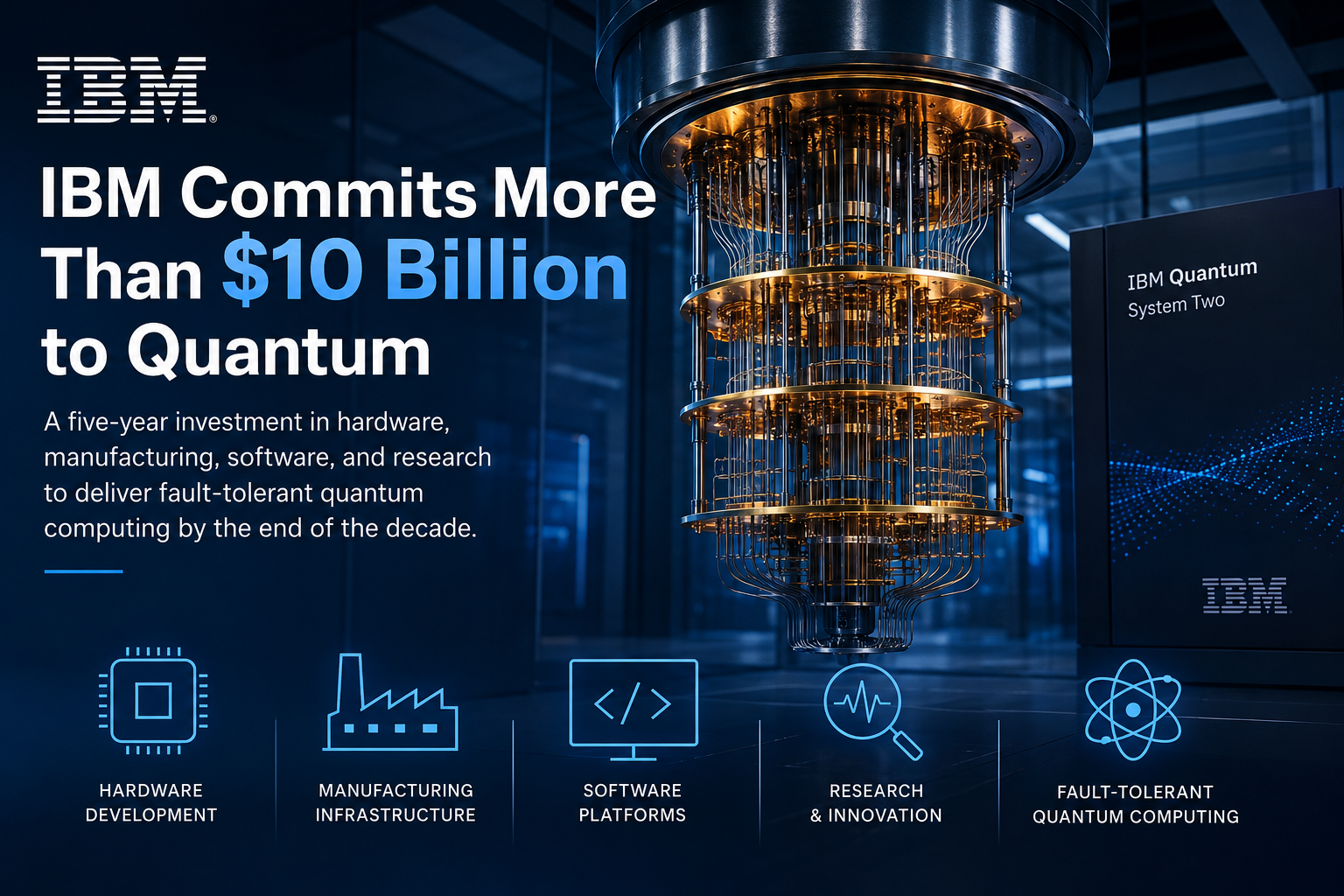
Global Collaboration: From a $10 million investment partnership with a Chinese company to active work with IBM Research in São Paulo and Rio de Janeiro, Brazil is taking collaboration seriously. These aren’t just technology transfers. They are shared experiments in innovation.
Regional Leadership: Brazil is also playing a coordinating role across Latin America. It’s a key member of the Latin American Quantum Alliance and collaborates with France on cutting-edge sensing research. These efforts bring scalability and inclusiveness into the equation. They also keep ethics and societal impacts in focus, ensuring that tech development stays human-centered.
The Takeaway: Deliberate, Strategic, and Unapologetically Brazilian
Brazil is not chasing speed. It’s building depth. It’s laying down strong roots before growing branches. And it’s doing so with a rare mix of realism and vision.
In this unfolding quantum era, Brazil isn’t content to be a customer. It’s choosing to be a creator. The country is building its infrastructure, cultivating talent, and carefully choosing partnerships. It’s sending a clear message to the world and to the Global South: We belong in this future, and we’re building it on our terms.
In a world often obsessed with the next big thing, Brazil is choosing to build something lasting.
And that choice might make all the difference.