Imagine stepping into a maze with the task of finding the quickest route out—not just any route but the best one. Now, imagine if you could simultaneously explore every possible path at once instead of trodding one potential path after another. This isn’t just an exercise in imagination but a peek into the capabilities of quantum computing, an evolving technological marvel that is beginning to reshape industries from finance to pharmaceuticals.
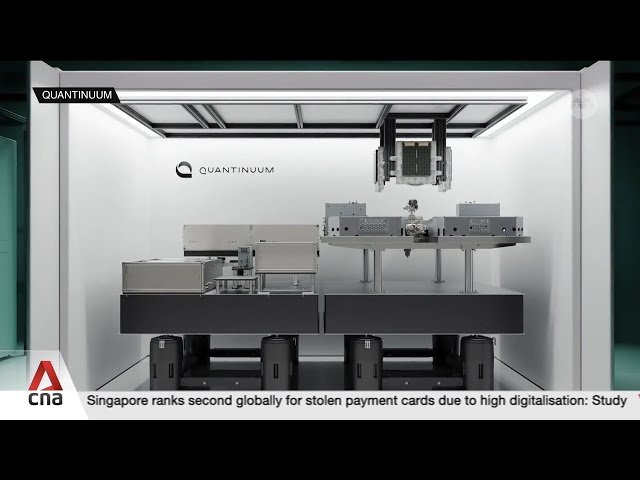
Singapore, already known for its cutting-edge tech landscapes, is set to deepen its foray into this revolutionary technology. The nation is partnering with the tech firm Continuum to bring Helios, a general-purpose quantum computer, to its shores. This will mark the first time Helios has been hosted outside the United States. But why is this significant, and what could it mean for Singapore and potentially the global tech ecosystem?
This video is from CNA.
Quantum computers operate vastly differently from the classical computers we’re all familiar with, like laptops and smartphones. Classical computers use binaries—transistors switching between ‘on’ (1) and ‘off’ (0)—to perform tasks. However, quantum computers use quantum bits, or qubits, which can exist in multiple states simultaneously thanks to quantum superposition. This allows them to handle complex calculations that are beyond the reach of classical computers, solving them at extraordinary speeds. Imagine the quantum computer as a supercharged engine compared to the standard engine of a classical computer—it’s not just faster; it’s operating on an entirely different performance curve.
Here’s where Singapore’s latest step becomes monumental. The arrival of Helios signifies a major upgrade from the existing quantum computing resources in the country. For local researchers and industries, this isn’t just about having advanced equipment; it’s about having easier and more effective access to breakthrough technology right at their doorstep. This could revolutionize fields such as drug discovery, financial modeling, and materials science, which rely heavily on analyzing large, complex datasets.
Continuum plans to not just set up this quantum behemoth but also to integrate deeply with Singapore’s tech sector through R&D collaborations and talent development programs. They will organize sessions and workshops to usher in various local industries into the quantum computing realm. This strategic move likely targets nurturing an ecosystem where advanced technology goes hand-in-hand with skilled personnel who can drive innovation. It’s a virtuous cycle—the more you know, the more you can leverage, and the more you leverage, the more you advance.
With Singapore hosting Helios, they’re setting the stage for a tech ecosystem that could attract companies and talent from around the world. The strategic positioning here is clear. By becoming a hub for quantum computing, Singapore is looking to harness the ripple effects of this technology, such as increased investment and innovation, which are crucial for maintaining a competitive edge in the global market.
But this quantum leap is not without its challenges. One of the significant hurdles is the shortage of skilled quantum computing experts. While classical tech skills are still essential, the nuanced and complex nature of quantum computing requires a steeper learning curve and more specialized knowledge. Singapore acknowledges this gap and is actively setting up initiatives to cultivate and retain top-tier talent within the nation, although there’s also the risk of these talents being poached by international firms.
As we look towards the future, where quantum computing becomes as mainstream as cloud computing today, the early movers in this space— those who invest in both the technology and the expertise to harness it—will likely be the leaders of tomorrow’s tech-driven landscape. Singapore’s ambitious move with quantum computing is more than just an investment in technology; it’s a declaration of intent to remain at the forefront of technological innovation.