Hype vs. Reality
Every few months, there’s a headline about “quantum supremacy” or the “quantum internet” being right around the corner. The tone is breathless: instant communication across the planet! Totally unhackable data! Fiber optics is last century!
The truth is, we are building toward a quantum internet, but it won’t replace your home Wi-Fi anytime soon. What’s emerging is something far more specific and fascinating: a new kind of network that operates using the strange rules of quantum mechanics to do things the classical internet can’t do.
Think of it less as “faster internet” and more as “smarter, physics-level secure connections.”
What the Quantum Internet Actually Is
Let’s clear up the biggest misconception first: the quantum internet won’t help you stream your favorite show in 0.2 seconds. It’s not about speed; it’s about capability.
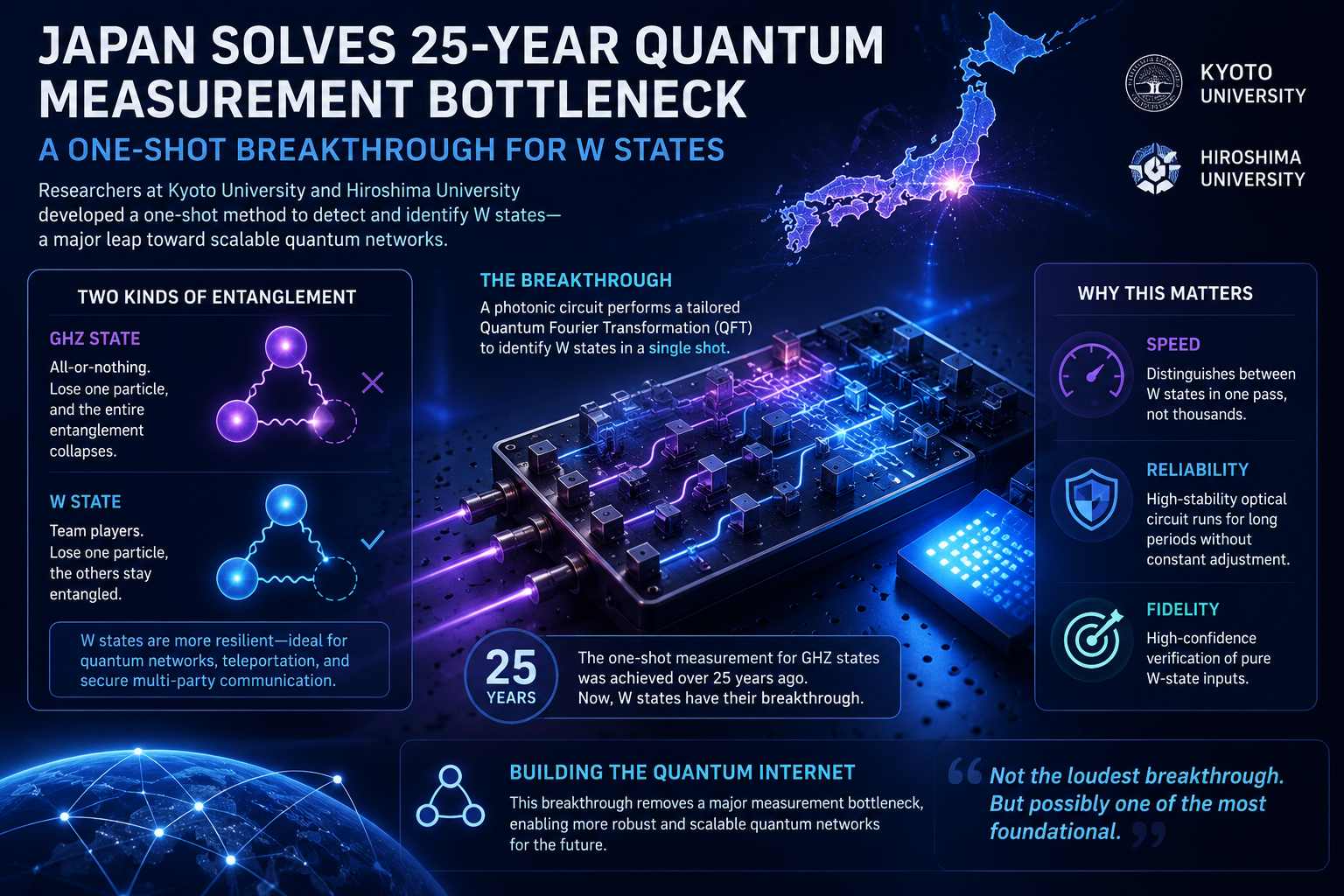
Our current internet moves bits (0s and 1s) through light pulses in fiber-optic cables. The quantum internet, in contrast, will transmit qubits, which can exist as 0, 1, or both at the same time thanks to a property called superposition.
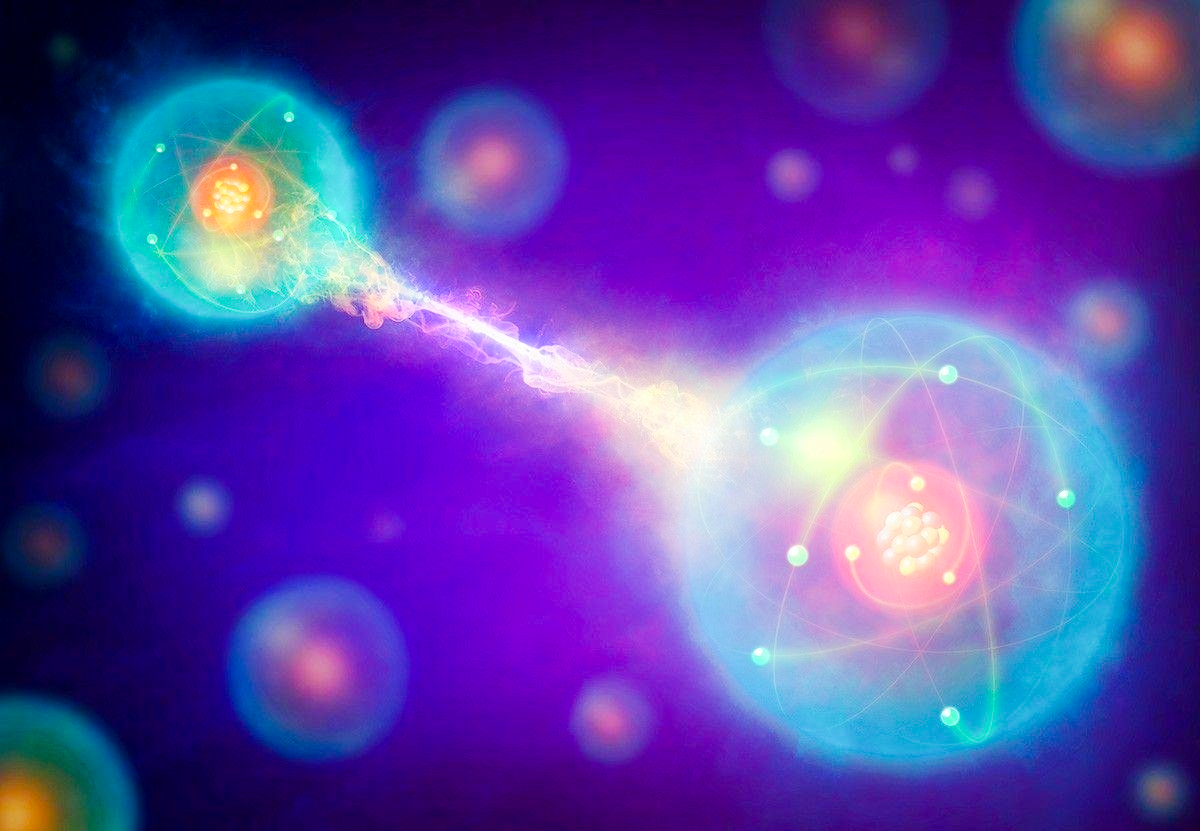
Even cooler? When two qubits become entangled, they share a mysterious link so strong that changing one instantly affects the other, no matter how far apart they are. Einstein called this “spooky action at a distance.”
This is the basis for Quantum Key Distribution (QKD), a method that allows two people (or computers) to share an encryption key that is unhackable by the laws of physics. If anyone tries to spy on it, the act of eavesdropping itself disturbs the photons, sending up a red flag.
That’s not science fiction. That’s physics.
What’s Working Now
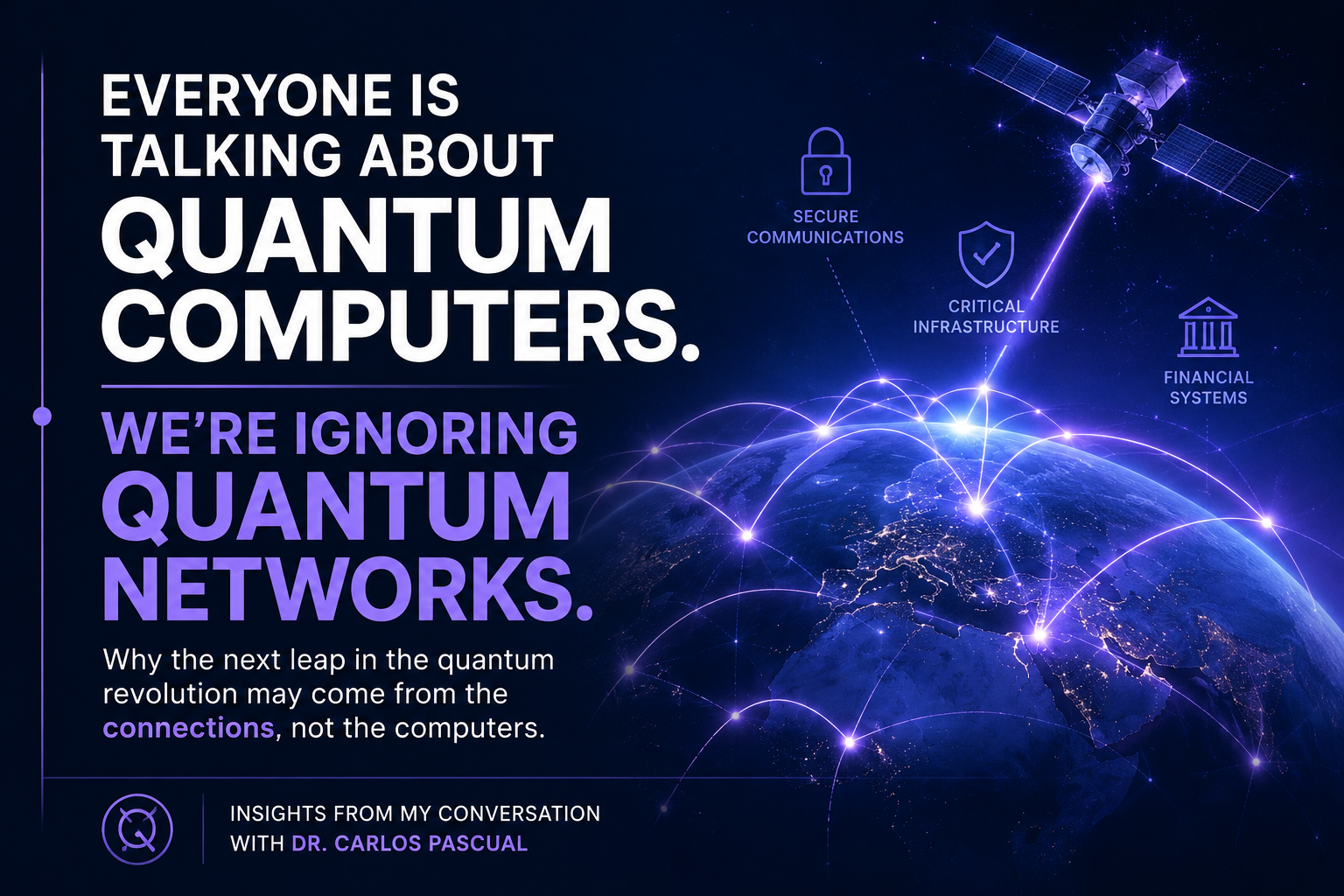
Currently, we have working QKD networks, which are small, specialized systems that enable secure data exchange between banks, research labs, and even governments.
China famously sent quantum-encrypted messages via satellite across thousands of kilometers, proving long-distance quantum communication is possible. But these are still early systems, closer to prototypes than public infrastructure.
They’re not “the quantum internet” yet; they’re stepping stones.
Why We Can’t Just Plug It In at Home
If quantum networks are so powerful, why can’t we just run a quantum cable into every building?
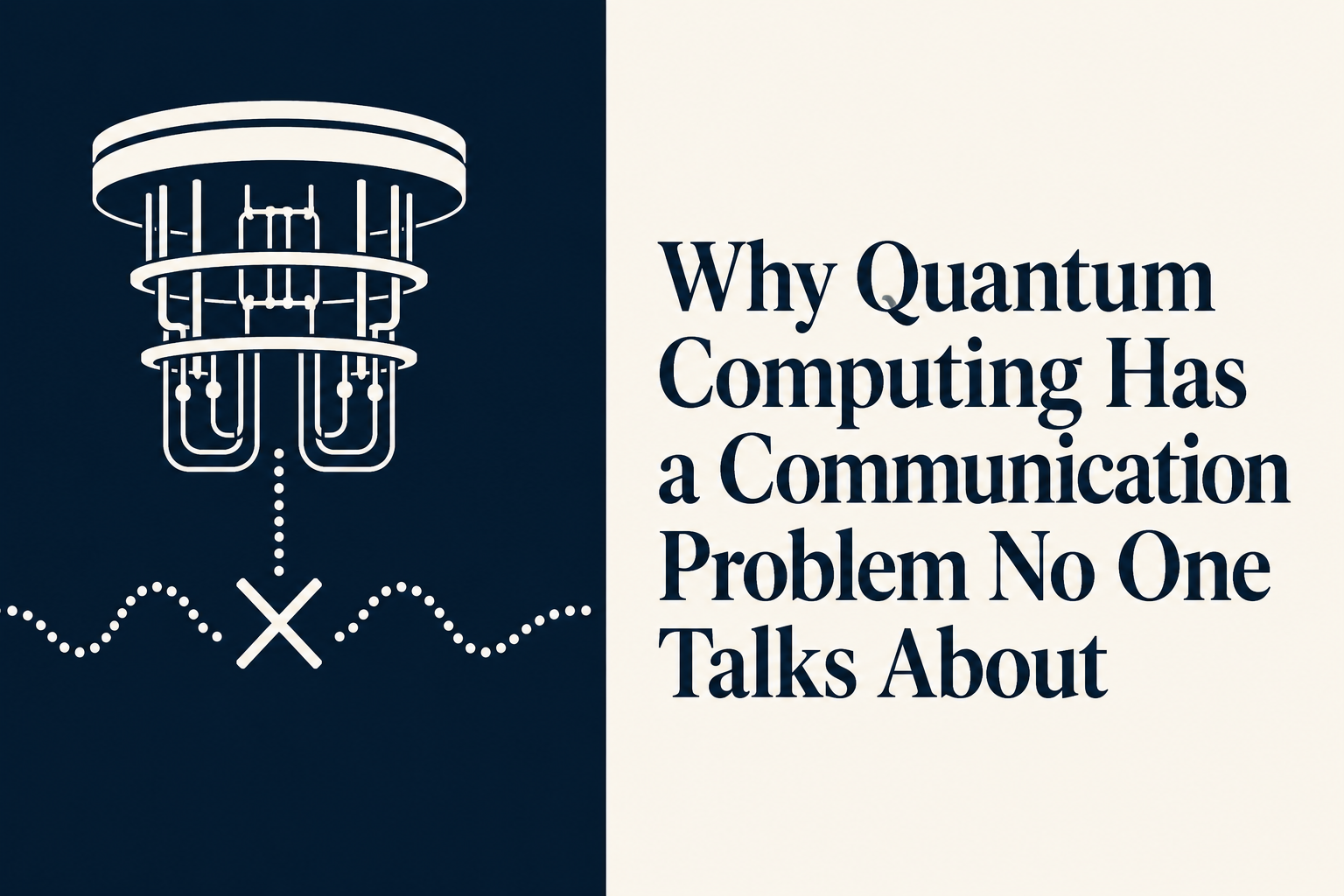
Because quantum data is delicate. Qubits are incredibly sensitive to the environment. Heat, vibrations, or even tiny magnetic fluctuations can destroy their quantum state, a process known as decoherence.
And unlike regular data, you can’t simply copy and resend it. The No-Cloning Theorem says you can’t make a perfect copy of an unknown quantum state. That means we can’t use the repeaters that strengthen your regular internet signal.
Scientists are trying to solve this with quantum repeaters, devices that “stitch” entanglement together in segments to cover longer distances. However, storing quantum states long enough to do this reliably is one of the most challenging problems in modern physics.
The Infrastructure Reality
Building quantum networks requires a staggering amount of precision equipment, including cryogenic coolers to maintain systems near absolute zero, single-photon detectors, high-powered lasers, and precise optical alignment.
In short, it’s expensive. The first wave of quantum networks will primarily serve research institutions, national security systems, and financial sectors, rather than consumer households.
But that’s okay. Every transformative technology starts that way. Remember when only universities had the internet?
What the Quantum Internet Will Do
When it matures, the quantum internet will shine in three key areas:
Unhackable Communication: QKD systems will protect the world’s most sensitive data, including banking transactions, defense communications, and personal identity verification.
Distributed Quantum Computing: Linking multiple quantum computers could create a “super network” that solves problems far beyond the reach of a single system.
Quantum Sensing & Metrology: Quantum networks could synchronize clocks, GPS systems, and telescopes with unprecedented accuracy.
It’s not about faster downloads; it’s about entirely new kinds of capabilities.
How Long Will It Take?
Here’s a grounded timeline:
Next 5–10 Years: More regional QKD networks, improved entanglement experiments, and better quantum memory systems.
10–25 Years: Early quantum repeaters enabling city-to-city networks; secure quantum links between high-value partners like governments or banks.
Beyond 25 Years: A genuine quantum internet, where quantum devices can talk to each other globally using entanglement as the carrier wave of trust.
How to Stay Quantum Curious
The next time you see a headline about a “quantum internet breakthrough,” ask yourself:
Is it a new QKD demo or an actual entanglement experiment?
Was it done in a lab or through existing fiber infrastructure?
Does it solve the quantum repeater challenge?
By asking those questions, you’ll separate the hype from the history being made.
The quantum internet won’t replace your Wi-Fi, but it will redefine what it means to connect, communicate, and compute.
Bit by fragile bit, photon by photon, we’re building the internet of the future, one that runs not on silicon, but on the very rules of the universe itself.