Imagine a race without a finish line, where the track stretches not just in front of us but into realms barely understood by even the brightest minds. That’s the mesmerizing world of quantum computing, and today, I want to take you on a journey through this rapidly evolving landscape that is as revolutionary as it is enigmatic. The players range from tech titans like IBM and Google to nimble, innovative startups that are elbowing their way onto the main stage, radically shifting paradigms as they go.
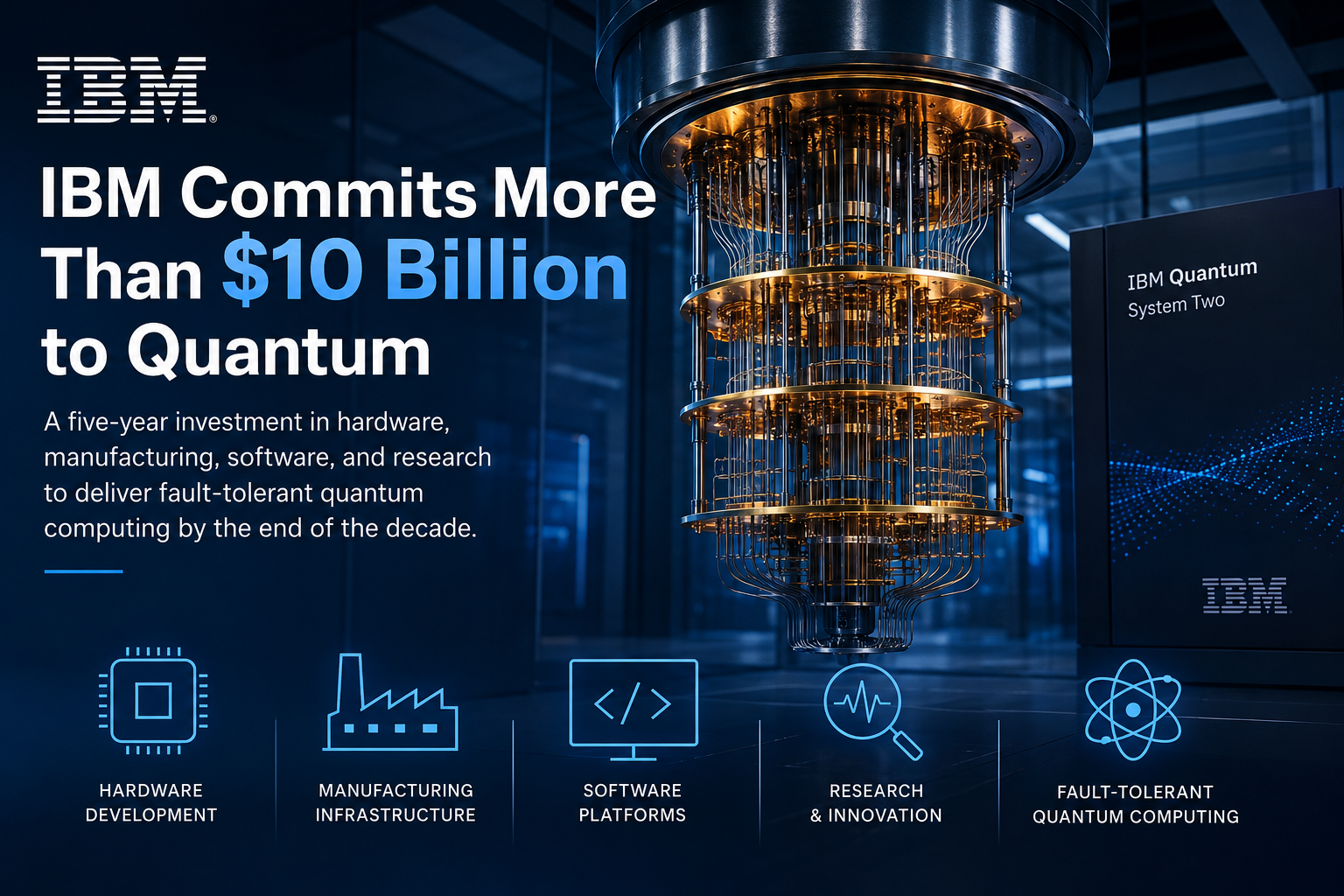
In the world of quantum computing, the giants like IBM are not just participants but pioneers who have been threading the path with their superconducting qubits and extensive quantum systems. Their longstanding expertise places them at the forefront, setting a lofty benchmark in both hardware and software development. Close on their heels, Google shattered theoretical ceilings with their claim of ‘quantum supremacy’ in 2019, thanks to their Sycamore processor. This not only marked a monumental milestone but also sparked a surge of accelerated development across the industry.
This video is from FranksWorld of AI.
On the other hand, Microsoft and Amazon are carving out their own unique approaches within this complex arena. Microsoft is deeply invested in exploring topological qubit architecture through Azure Quantum—a futuristic leap that may redefine quantum applications. Meanwhile, Amazon Braket is democratizing access to quantum technologies by allowing users to experiment with different types of quantum hardware. This approach is not about playing catch-up but rather ensuring a diversity of pathways to innovation.
The most thrilling developments, however, may be coming from the lesser-known quarters of this quantum world. Startups like Alice and Bob are diving deep into the quantum fabric, working on qubits that self-correct—significantly reducing error rates and enhancing fault tolerance, a critical factor if quantum computing is to be practically applied outside laboratory conditions. Their advance in managing bit flips for over seven minutes on a single qubit is nothing short of groundbreaking.
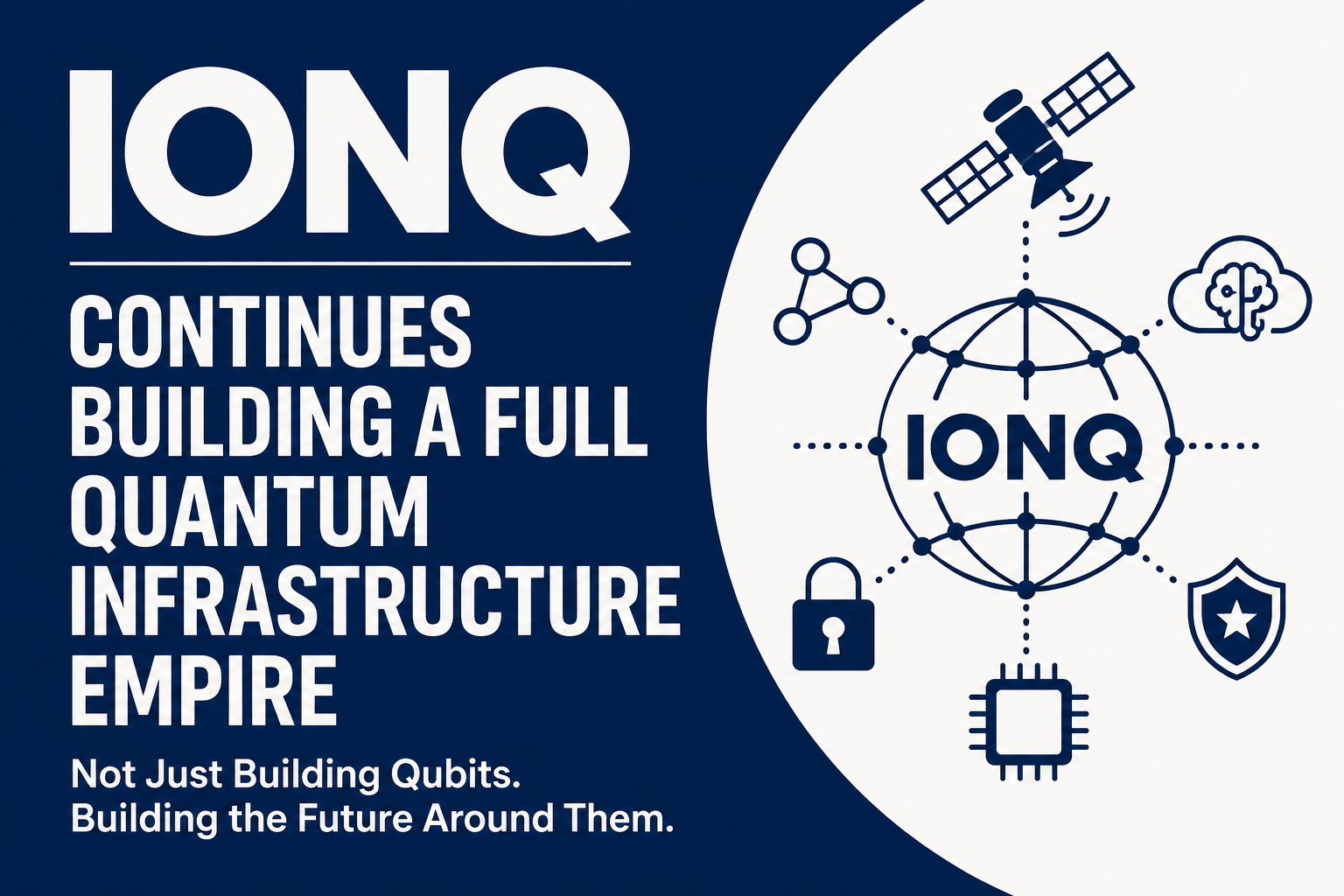
Each of these companies is not just wrestling with the colossal technical challenges but also pioneering distinct types of qubits—be it trapped ions or neutral atoms. For instance, Ion Q is leading the charge with trapped ions, achieving 36 algorithmic qubits, while Atom Computing’s strides in creating large-scale neutral atom arrays are pushing the boundaries of what’s possible.
The question now is not just about who can build the most powerful quantum system but who can make these systems accessible and usable for everyday business applications and beyond. Companies like Classic are addressing this by simplifying the transition from conventional to quantum computing, allowing businesses to harness quantum capabilities without requiring a PhD in quantum physics.
The ripples from these advancements are beginning to affect industries across the board—from finance, where quantum computing can optimize portfolios and model risks, to healthcare, where it’s being used for drug discovery and molecular simulations. Notable applications include simulating jet engine performances and unlocking new frontiers in materials science.
Yet, amid all this technological marvel, the sword of Damocles hangs by a thread—the looming threat of quantum-powered cybersecurity breaches. Here, firms like PQ Shield and CryptoQuantique are stepping up, developing robust post-quantum cryptography to shield our digital future against potentially catastrophic breaches.
As we look forward, the race continues towards building fault-tolerant quantum systems and scaling the number of effective qubits. The potential and challenges of quantum computing are monumental, promising to redefine our technological landscape. It’s an exciting time to be immersed in tech, and the quantum realm is a testament to the wonders of human ingenuity and the infinite quests for knowledge.