Some conversations shift things. Not dramatically. Not loudly. Just enough to quietly redraw the edges of what you thought you understood.
My recent interview with Shahaf Asban, Head of Research at Classiq, was one of those.
At first, his path looks like an outlier: jazz musician to mathematical physicist to quantum computing researcher. But as we talked, the line connecting them began to emerge—subtle yet precise. Music and physics, after all, both deal in rhythm, pattern, and holding complexity without collapsing it.
Here’s what stayed with me:
Quantum sensing isn’t some far-off concept. It’s already here—and valuable.
Shahaf explained quantum sensing as a way of measuring physical systems with extraordinary sensitivity. Think of it like tuning into frequencies classical instruments can’t quite catch. By using quantum properties like superposition and entanglement, these sensors aren’t just fancier versions of existing tools — they’re stepping beyond their limits. And this isn’t just happening in a lab somewhere. It’s already touching fields like material science, biochemistry, and defense. Quietly. Effectively. Without fanfare.
AI and quantum aren’t merging — they’re meeting.
There’s this narrative floating around that AI and quantum are destined to collide in some massive, instant synergy. Shahaf’s take is more grounded. Yes, they both deal in probabilities — but in very different ways. Still, there’s promising overlap in specific areas, especially in optimization and simulation. Not everything needs to be flashy to be valuable. Sometimes it’s just about finding where the systems hum in harmony.
The biggest myth? That quantum leap is decades away.
It isn’t. Not in the abstract, and not in practice. We’re already using quantum principles in technologies we touch every day—GPS, MRI machines, and even certain kinds of encryption. The shift isn’t about quantum “arriving.” It’s about making it more accessible and easier to build. Classiq is working on that abstraction layer—the scaffolding that lets non-physicists start exploring without needing to dive into the math first. That’s a turning point.
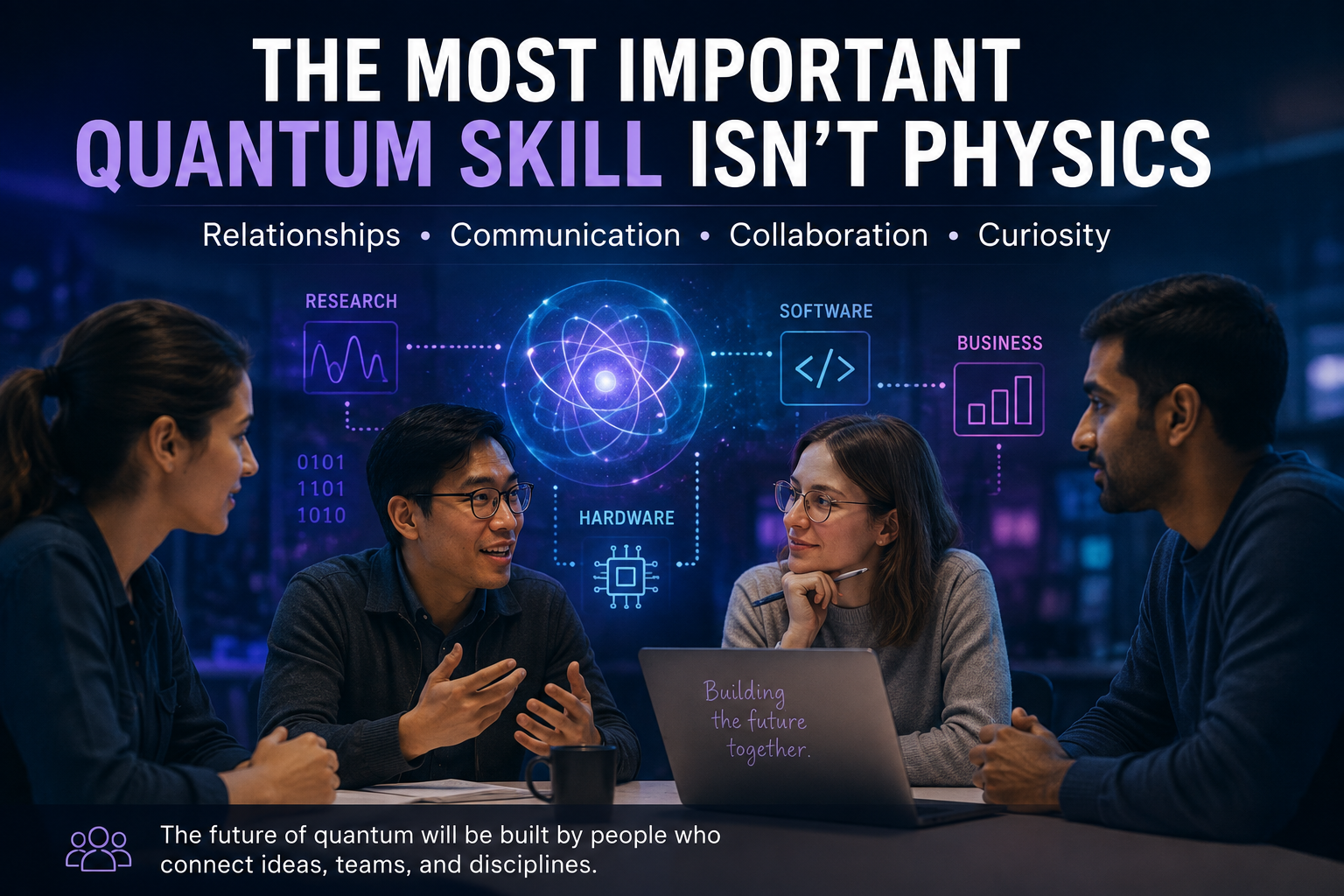
You don’t need a PhD to matter here. You need curiosity.
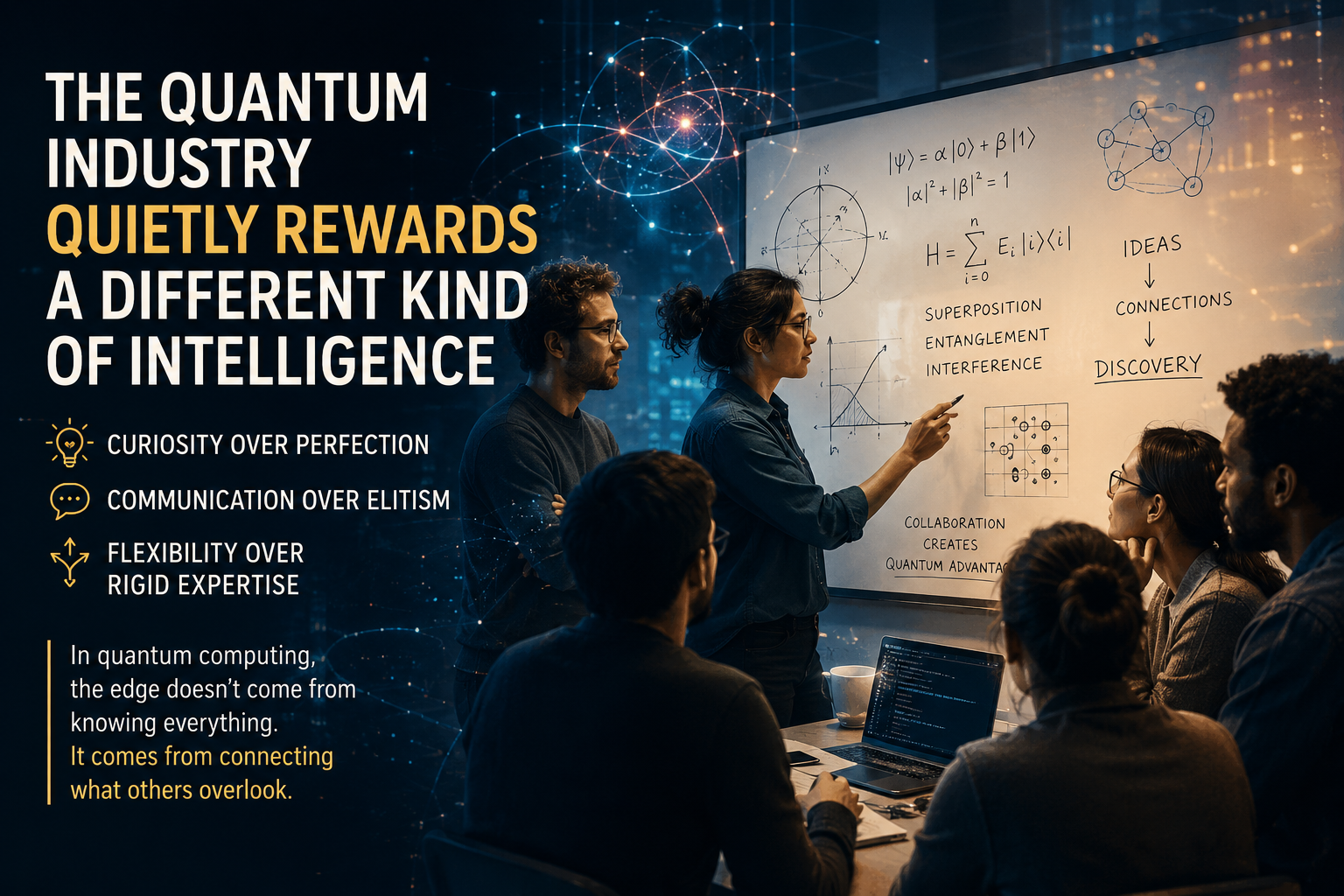
If there was a core message running through everything Shahaf shared, it was this: curiosity outpaces credentials. The people who will shape the quantum era won’t just be physicists. They’ll be musicians. Designers. Engineers. Students. People who ask weird, valid questions. This field isn’t looking for gatekeepers. It’s looking for thinkers. Open ones. Interdisciplinary ones. People who don’t mind standing in a bit of uncertainty.
The quantum future won’t come in with a bang. It’s already unfolding—softly, steadily, and faster than most people think.
Let’s stay curious.
Stay Connected
Follow our journey and be part of the conversation:
🔗 Find us on LinkedIn
📬 Join our mailing list
📺 Subscribe to our YouTube channel