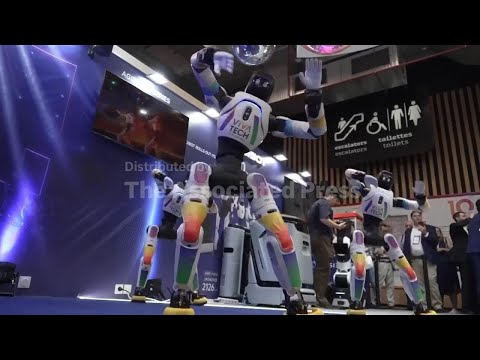
The bustling backdrop of Paris, with its historic charm merging effortlessly with the lively hum of modern technology, set the stage for Vivatech 2026. An annual affair for tech aficionados and innovators, this year’s conference transcended expectations by offering a glimpse into the extraordinary possibilities of tomorrow. As the sun cast its golden glow on the city, attendees thrived amid the cerebral currents ushered in by robotics, artificial intelligence, and the enigmatic realm of quantum computing.
Based on content from RFI English
Within the vivid tapestry of this event was the intriguing presentation by IBM of their groundbreaking Quantum System Two. It stood like an unassuming behemoth, quietly chilling its quantum processing units to temperatures colder than distant cosmic domains—nearing absolute zero—shedding new light on the relationship between heat and complexity. This realm was a place beyond the ordinary clack of supercomputers; it existed at the intersection of science fiction and tangible innovation.
The quantum system, adorned with what enthusiasts dubbed a “chandelier,” served not just as a visual marvel but an intrinsic component of IBM’s cutting-edge dilution refrigeration technology. A metaphor for the elegance of futuristic insight, it offered the intricate promise of solving classically unsolvable problems.
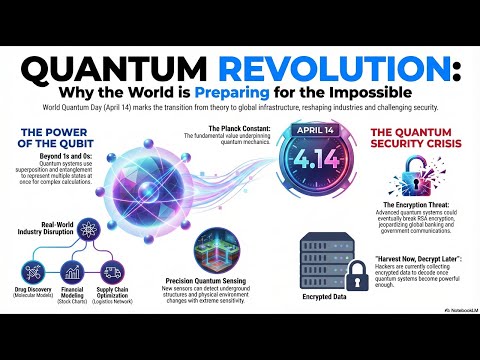
Quantum computing, as IBM suggests, heralds a new era where the intractability of traditional computational systems meets its match. Whether sculpting pharmaceutical molecules, unraveling the secrets of materials discovery, perfecting weather prediction, or untangling the complexities of optimization, quantum applications teeter on the brink of the miraculous.
Yet, navigating through an intense labyrinth of awe-inspiring technology, one might find comfort in more tactile innovations—perhaps those aiming to reconcile humanity with nature’s unpredictability. Nearby, amidst a whirlwind of ideas, French ingenuity took a distinctive shape through the form of an unsinkable survival capsule, crafted by Life Pods. A response to our most primal fears in the face of tsunamis, floods, and hurricanes, this capsule offered a solemn promise.
Constructed with robust aluminum and buoyantly equipped between a cloister of foaming that refuses to succumb, the pod humbly awaits the day it will save a life. Its simplicity contrasts dramatically with its import, providing sanctuary where conventional safety fails, ensuring survival when the world turns tumultuous and wild.
Three hours of breathable air, geolocation, rigorous tracking—these capsules whisper tales of reassurance amid calamity. For those entangled in the narratives of survival against nature’s onslaught, they are unassuming havens amid life’s tempestuous seas, ensuring that SOS signals are not swallowed by soundless winds.
As I departed Vivatech, these innovations lingered in thought, like invisible tattoos. Questions posed quietly remain unanswered: How do we navigate the ethics that inevitably accompany such quantum leaps in technology? How can we balance progress with deep-seated human values? In this clash of advancing frontiers and existential necessities, might we find a harmonious modus operandi as both creators and caretakers of our world?
In this fluid dance with innovation, we are prompted to reflect—not just on what we can achieve, but what bending the fabric of possibility asks of us. One can only wonder what wonders Vivatech 2027 might bring. Until then, each dialogue with technology serves as a silent companion in the co-creation of our unfolding future.
—