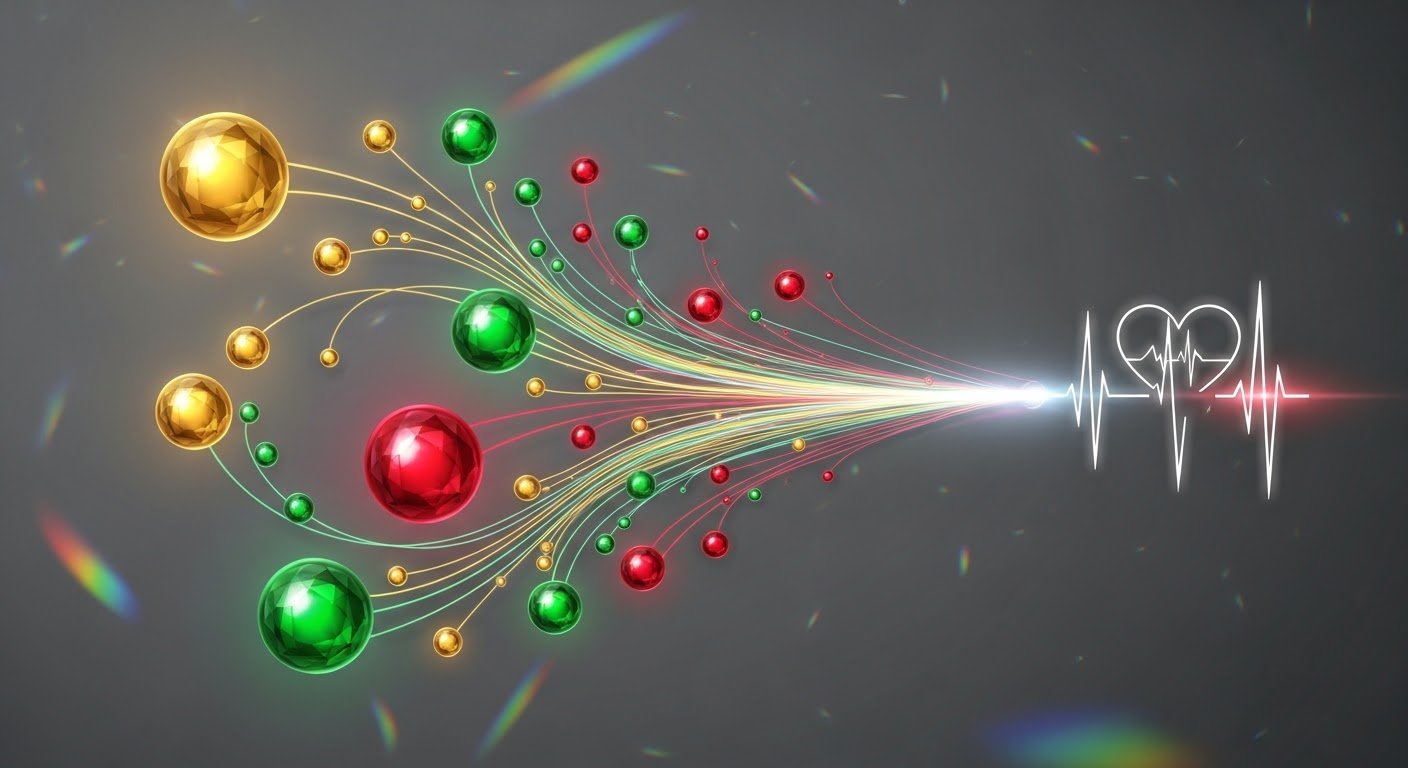
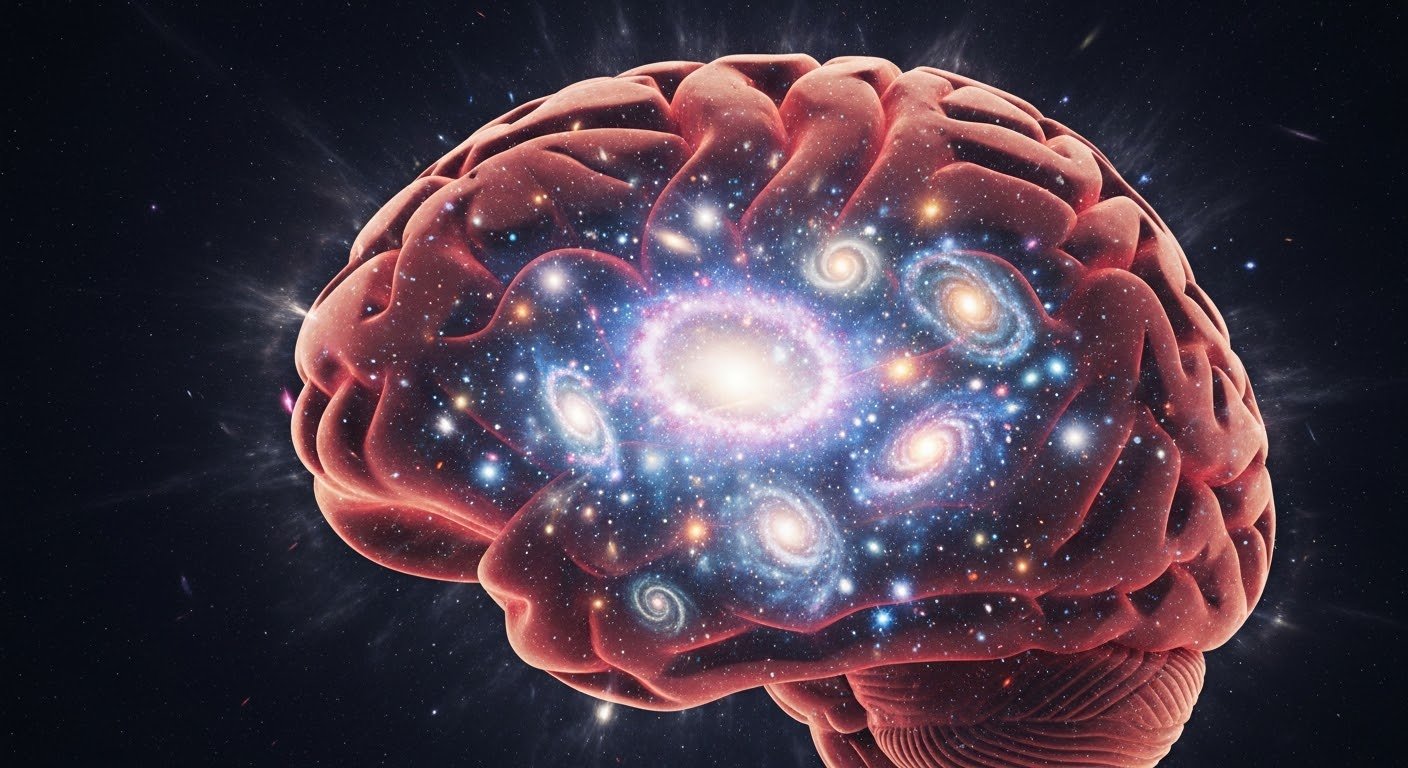
Biological systems are messy. Their computational complexity often accompanies the beauty of biological systems. Classical computers, for all their raw power, usually stumble when navigating the labyrinth of molecular dynamics, protein foldings, and genetic interactions. These aren’t just large datasets—they’re combinatorial behemoths. The more variables you add, the more impossible the math becomes.
This is where the potential of quantum computing starts to emerge.
Unlike classical systems that evaluate one solution at a time, quantum computers leverage the principles of superposition and entanglement to consider many potential outcomes simultaneously. It’s like asking a thousand researchers to explore every corridor of a molecular maze at once—and somehow, they all report back without stepping on each other’s findings.
What once felt theoretical is now edging into reality.
From Promise to Pilots: Quantum in Action
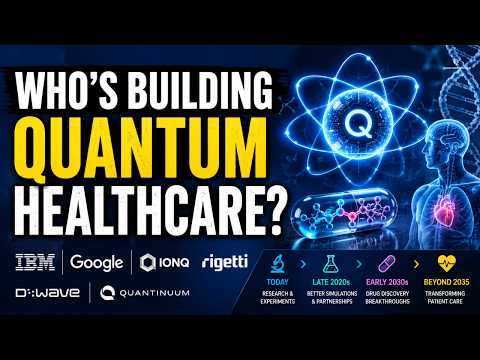
Take drug discovery, that famously slow and expensive journey. Collaborations like Qubit Pharmaceuticals and Pasqal are weaving together quantum and classical algorithms to simulate protein-ligand interactions—a crucial, often rate-limiting step in identifying new treatments. The hope? We hope to avoid years of blind experimentation by starting with more accurate modeling.
Over in China, researchers are pushing even further. By embedding quantum-enhanced graph neural networks into the molecular modeling process, they’re not just tracking atoms—they’re understanding relationships. Bonds. Forces. Behaviors. It’s a shift from viewing molecules as static to seeing them as dynamic, ever-shifting systems.
And it doesn’t stop at molecules. In the world of genomics and diagnostics, giants like Roche and Cambridge Quantum are experimenting with quantum machine learning to accelerate early-stage screening for neurodegenerative diseases. These tools expedite the processing of data and pave the way for the development of deeply personalized medicine, which tailors treatments precisely to an individual’s genetic and biological signature.
The Human Side of the Equation
But innovation, especially in healthcare, is never just technical. It’s ethical. Emotional. Systemic.
Quantum computers, in theory, could analyze oceans of sensitive health data, predicting everything from disease onset to optimal treatment paths. But who controls that data? How can we ensure that consent is meaningful and that privacy is preserved in a world where algorithms can infer health risks before a test is even taken?
And then there’s access. The danger isn’t just that these tools could create a two-tier healthcare system—it’s that they might encode biases from existing datasets into the very algorithms we trust to make life-or-death decisions. The “black box” nature of specific quantum-enhanced AI models makes it even more challenging to regulate these practices, not to mention explain them to patients and clinicians.
If we aren’t careful, quantum’s complexity could obscure more than it reveals.
A Future in the Making
Still, momentum is real. Programs like the Quantum Innovation Challenge 2025 actively fund pilots that pair theoretical quantum capabilities with immediate pharmaceutical needs, with backing from the Novo Nordisk Foundation. It’s a smart strategy: don’t wait for perfection. Address today’s challenges using the tools of tomorrow.
But let’s not be naïve. We are still in the early innings. Hardware remains temperamental. Error correction is its own unsolved maze. And no one’s putting a quantum processor in a general practitioner’s office anytime soon.
What we can do, though, is keep asking thoughtful questions. Design with transparency in mind. Build systems that don’t just scale—but serve. Recognize that the complexity of health is not just in biology but in relationships, trust, and care.
Quantum computing may be the key to unlocking new dimensions of medical insight.
But wisdom—not just speed—will determine how far we go.
Stay Connected
Follow our journey and be part of the conversation:
🔗 Find us on LinkedIn
📬 Join our mailing list
📺 Subscribe to our YouTube channel