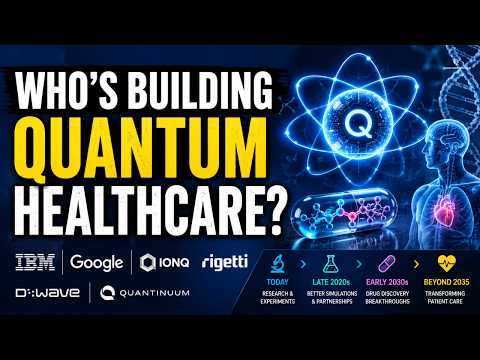
The year is 2050. The hum of a quantum AI fills the sterile clinic as you step onto a diagnostic platform. Within moments, your entire cellular tapestry is mapped, analyzed, and understood. No more generalized treatments. No more trial and error. Instead, a bespoke, quantum-engineered therapeutic protocol is tailored to your genetic blueprint, cellular anomalies, and even your projected future health trajectory. This isn’t speculative fiction anymore. It’s the near-horizon reality of personalized quantum medicine. But as this marvel unfolds, it brings with it a complex web of ethical dilemmas demanding our immediate attention.
At the core of this revolution lies an unprecedented level of personal data. Your genetic code, cellular dynamics, and physiological patterns become the raw material for your treatment. That raises an urgent question: who owns this data? Is it yours, the clinic’s, or the quantum AI developer’s? Data sovereignty takes on a new dimension when your biological essence is digitized. The potential for misuse from targeted advertising based on predicted health vulnerabilities to discrimination in insurance or employment. To prevent the commodification of our biological selves, robust legal frameworks and stringent ethical guidelines must evolve as quickly as the technology itself.
Ownership isn’t the only concern. The sheer complexity of quantum-derived insights redefines the concept of informed consent. How can a patient truly understand a treatment plan derived from algorithms that even experts may not fully grasp? The “black box” nature of advanced AI risks turning the doctor-patient relationship into one of trust without understanding. Ensuring patients are genuinely informed, not merely compliant, will require new approaches to communication, education, and medical literacy. Medicine will need translators to bridge the gap between human comprehension and quantum computation.
Then comes the question of access. Quantum medicine’s potential for precise and preventive care is extraordinary, but the cost of such technology could deepen existing inequalities. We risk entering an era of health stratification where the wealthy enjoy optimized longevity while others rely on outdated systems. Without proactive policy, this divide could create an “enhanced” class, living longer, healthier lives, while marginalized populations struggle with preventable diseases. Governments and institutions must intervene early with equitable access initiatives, public-private collaborations, and perhaps even global oversight bodies to ensure this revolution benefits humanity as a whole.
Beyond economics lies the philosophical question: where does healing end and enhancement begin? If quantum systems can optimize every cell and synapse, will we stop at curing illness or start designing ourselves? The temptation to engineer intelligence, emotion, or endurance could challenge our understanding of what it means to be human. These aren’t distant hypotheticals; they’re emerging design choices in labs today. Society will need to decide whether quantum medicine should restore balance or redefine it.
Personalized quantum medicine offers a breathtaking promise: a future where healthcare is not just reactive but predictive, precise, and profoundly human-centered. Yet, this same power requires us to rethink privacy, consent, equity, and identity. As we stand at the edge of this new medical era, the science may be ready, but our ethics must catch up. To navigate the quantum quandary, we must ensure that innovation serves empathy, that data serves dignity, and that progress serves everyone.