Why Classical Computers Fall Short
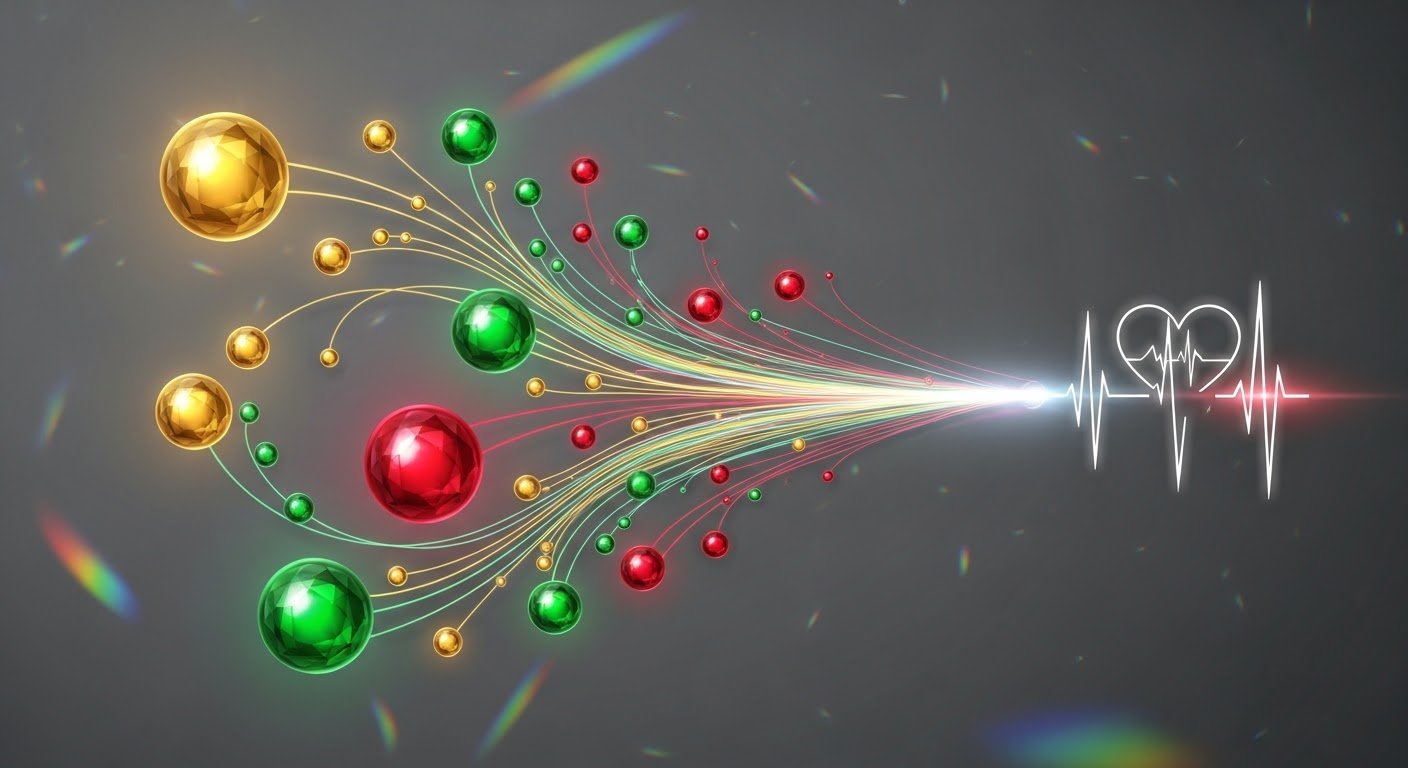
Biological systems are among the most complex puzzles in nature. The sheer number of possible molecular structures, protein foldings, and genetic interactions creates a combinatorial explosion of possibilities—far beyond the capabilities of even today’s most advanced classical supercomputers.
Classical computers process information sequentially, step by step. This makes exploring the whole space of biological possibilities slow and computationally expensive. Quantum computers, on the other hand, leverage principles like superposition and entanglement to process many options at once. This unique ability makes quantum computing particularly promising for challenges like drug discovery, protein modeling, and medical diagnostics.
Real-World Progress (as of Late 2025)
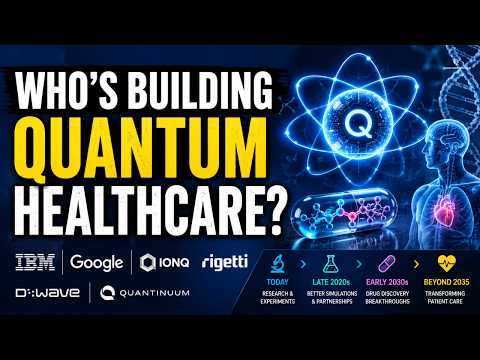
Quantum computing in healthcare is no longer a theoretical idea. Around the world, early-stage pilots are demonstrating the real-world potential of this emerging technology.
In drug discovery, Qubit Pharmaceuticals and Pasqal are using hybrid quantum-classical methods to model protein–ligand interactions, a critical step in designing new therapies. Meanwhile, researchers in China have developed a quantum-enhanced graph neural network that models both atoms and their chemical bonds, allowing them to predict the properties of new drug molecules more efficiently.
In genomics and diagnostics, companies like Roche have partnered with Cambridge Quantum to apply quantum machine learning to early-stage drug screening for neurodegenerative diseases. These collaborations are accelerating discovery timelines and laying the groundwork for personalized diagnostics—where genomic data can be analyzed quickly and at scale to develop treatments tailored to individual patients.
Despite this progress, challenges remain. Quantum hardware still suffers from instability and noise. Error correction techniques are improving but are not yet mature. There’s also a shortage of professionals who understand both quantum computing and life sciences. Still, momentum is growing. The Quantum Innovation Challenge 2025, organized by the Novo Nordisk Foundation and other partners, is bringing together academic and industry leaders to apply quantum algorithms to real pharmaceutical problems.
Ethical and Societal Considerations
As with any powerful technology, the rise of quantum computing in healthcare raises important ethical questions.
Quantum systems will process massive amounts of sensitive personal data, including genomic sequences, health records, and diagnostic patterns. This introduces serious concerns about privacy, consent, and data security. It is crucial to design these systems with robust safeguards from the outset.
Access is another major issue. Without careful planning, quantum healthcare innovations could remain limited to wealthy institutions or countries, worsening existing disparities in care. Actual impact requires equitable access to both the technology and the benefits it provides.
Another challenge is explainability. Quantum-AI systems may generate recommendations that are scientifically sound but difficult to interpret. If clinicians cannot understand how a system concluded, they may be reluctant to use it. Trust in medical decision-making depends on transparency.
For quantum to fulfill its potential in healthcare, it must be developed in ways that are not only scientifically rigorous but also ethically grounded and human-centric.
Final Reflection: The Human Element in Quantum Progress
As quantum computing becomes increasingly relevant to clinical science, healthcare finds itself at a pivotal moment. This is more than a story of faster machines or more innovative algorithms—it’s an opportunity to rethink how we engage with the complexity of life itself.
Quantum technologies offer a chance to understand biology at levels we’ve never reached before. But that opportunity comes with responsibility. Progress must be defined not only by breakthroughs in performance, but by the care with which we design, deploy, and govern these tools.
The true potential of quantum technology in healthcare is its capacity to enable more personalized, predictive, and equitable care. That promise will only be realized if we lead with intention—ensuring that innovation is paired with empathy, that speed is balanced by trust, and that access is inclusive by design.
We are not just optimizing the code. We are shaping the future of care—and, with it, the future of how we understand and serve one another.
Stay Connected
Follow our journey and be part of the conversation:
🔗 Find us on LinkedIn
📬 Join our mailing list
📺 Subscribe to our YouTube channel