Picture this: you’re streaming your favorite show, replying to emails, or doomscrolling late into the night—all those digital blips riding invisible highways of light. Now imagine, on that same road, another kind of signal is traveling. It’s quieter. Delicate. It follows rules so strange that Einstein himself once called them spooky. That’s the realm of quantum communication. And now, thanks to a little marvel called the Q-Chip, both worlds—the bold and the barely perceptible—can finally ride side-by-side.
The Crux of the Challenge
Let’s get real for a second. The internet we know is a tank. It’s powerful, fast, and built to barrel through massive amounts of data. Quantum signals, on the other hand, are more like butterflies—sensitive, ephemeral, and deeply affected by observation itself. They don’t thrive in noisy environments. And until recently, they required their own private networks, cloaked in darkness and shielded from disruption. That’s not scalable, not without astronomical costs and a whole new infrastructure.
And here’s the dilemma: if we want the quantum internet—a system that could make hacking obsolete, unlock new physics, and enable global-scale secure communications—we can’t just bulldoze the existing internet. We need a way to weave the quantum into the classical.
Where the Q-Chip Comes In
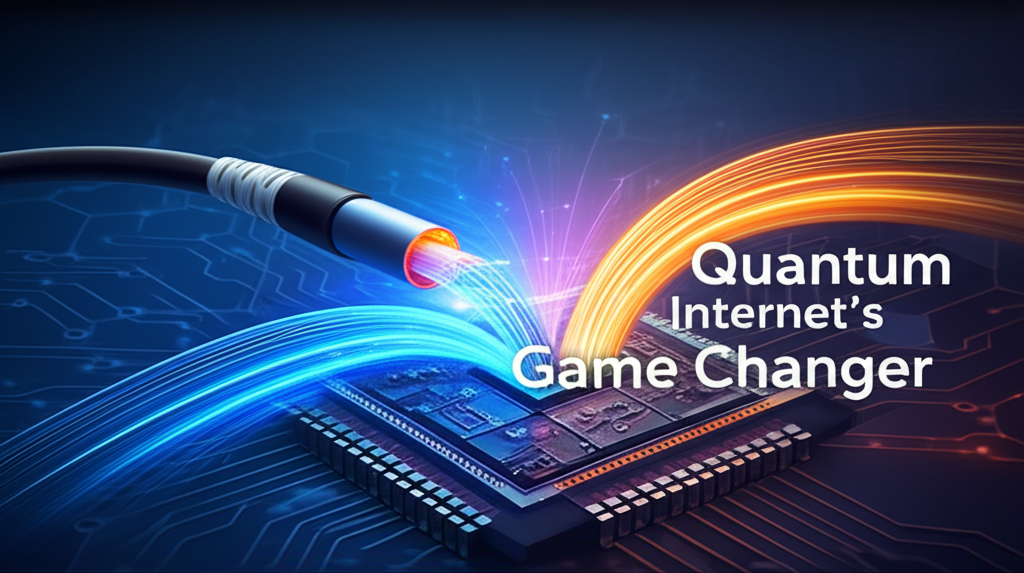
The Q-Chip is like a diplomat fluent in both quantum whispers and classical chatter. It’s small—a chip, after all—but mighty. It can orchestrate how photons carrying quantum bits travel alongside the data packets of our current networks. Without interference. Without collapse.
Technically speaking, it enables hybrid routing—a fusion of quantum signals and classical control within the same fiber optic cable. No need for a parallel quantum-only internet. No need for sci-fi-level overhauls. Just smarter coordination.
It’s not just a chip. It’s a translator, a traffic conductor, and a peacekeeper between two fundamentally different realms.
Why You Should Care (Even If Quantum Physics Makes Your Head Spin)
This isn’t just about better encryption (though it does make eavesdropping practically impossible). It’s about trust. In healthcare. In banking. In global diplomacy. With Quantum Key Distribution (QKD), we’re talking about encryption keys so secure that any tampering is instantly detected—not after the damage is done.
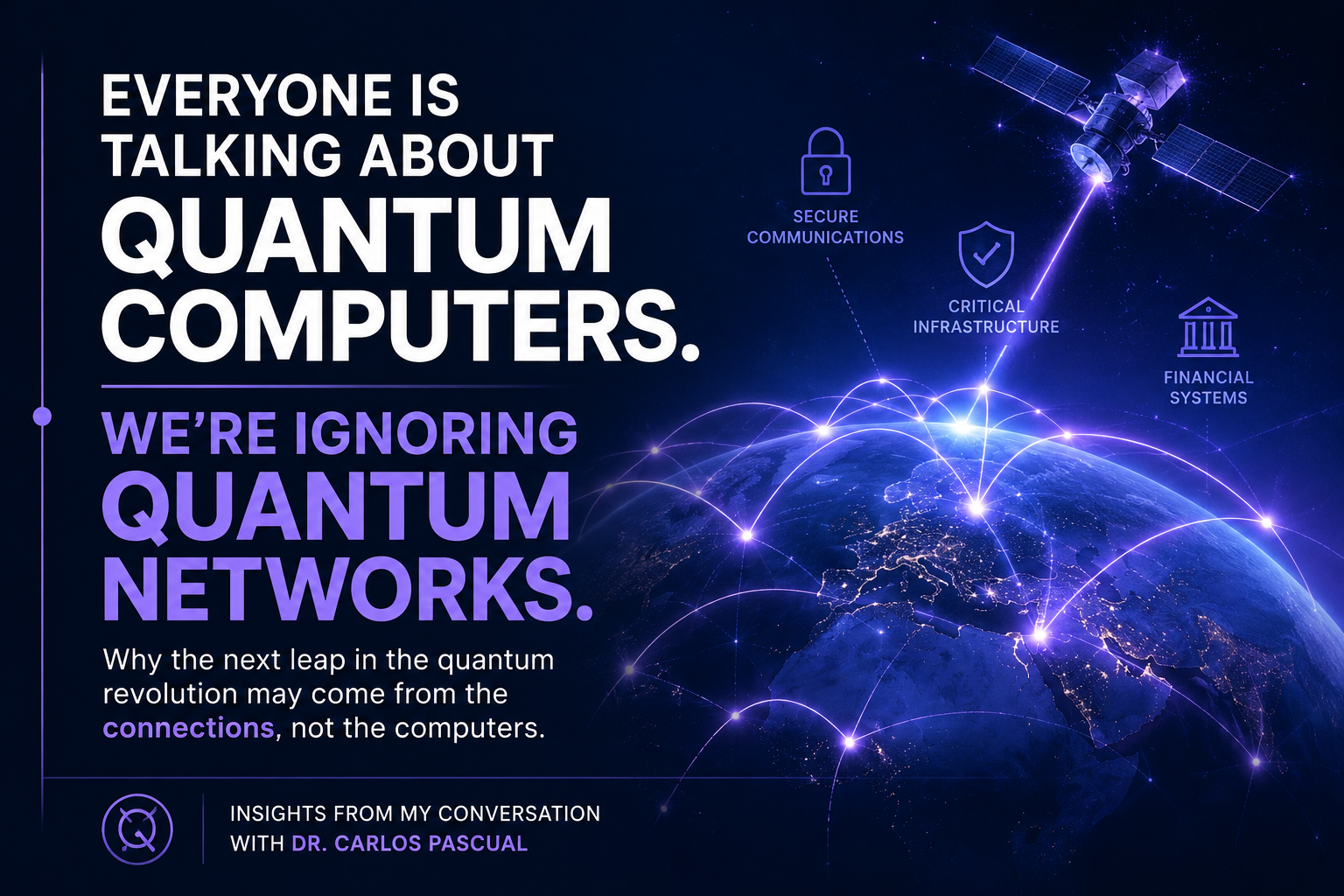
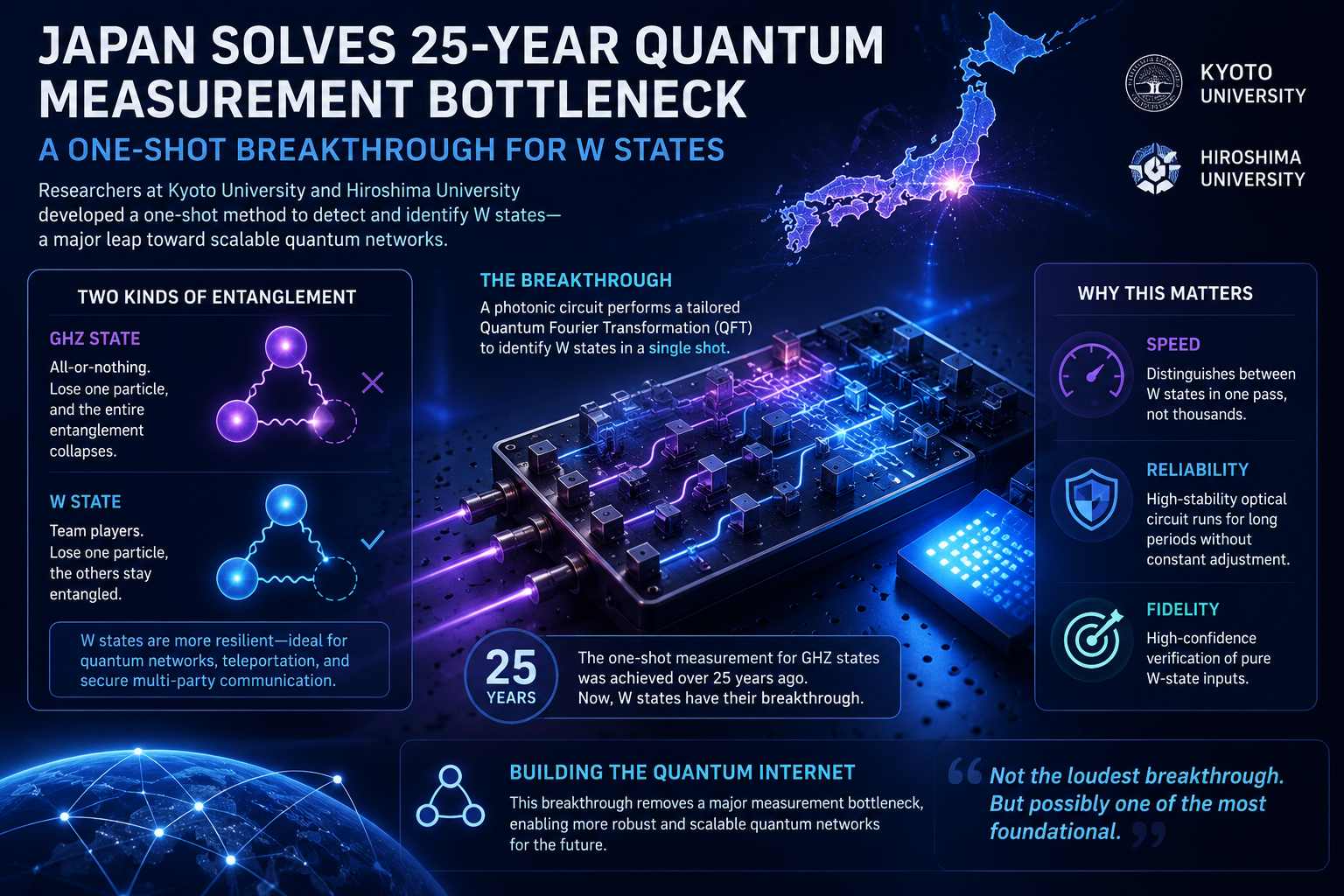
It also opens the door to global quantum networks—where satellites and ground stations form secure links that aren’t just fast but inviolable. Q-Chips, which enable quantum-classical coexistence, are bringing this dream closer to reality.
The Big Picture
What’s thrilling here is not just the tech—it’s the strategy. The Q-Chip doesn’t demand we tear down the old. It asks us to listen more carefully, to tune into the quieter layers of communication that have always been there, just out of reach. It’s a lesson in coexistence. In making space for the fragile within the fast.
So next time you click “send,” consider that a quantum whisper may soon travel beside your message—safe, invisible, and guiding us into a more innovative, quieter internet.
Stay Connected
Follow our journey and be part of the conversation:
🔗 Find us on LinkedIn
📬 Join our mailing list
📺 Subscribe to our YouTube channel