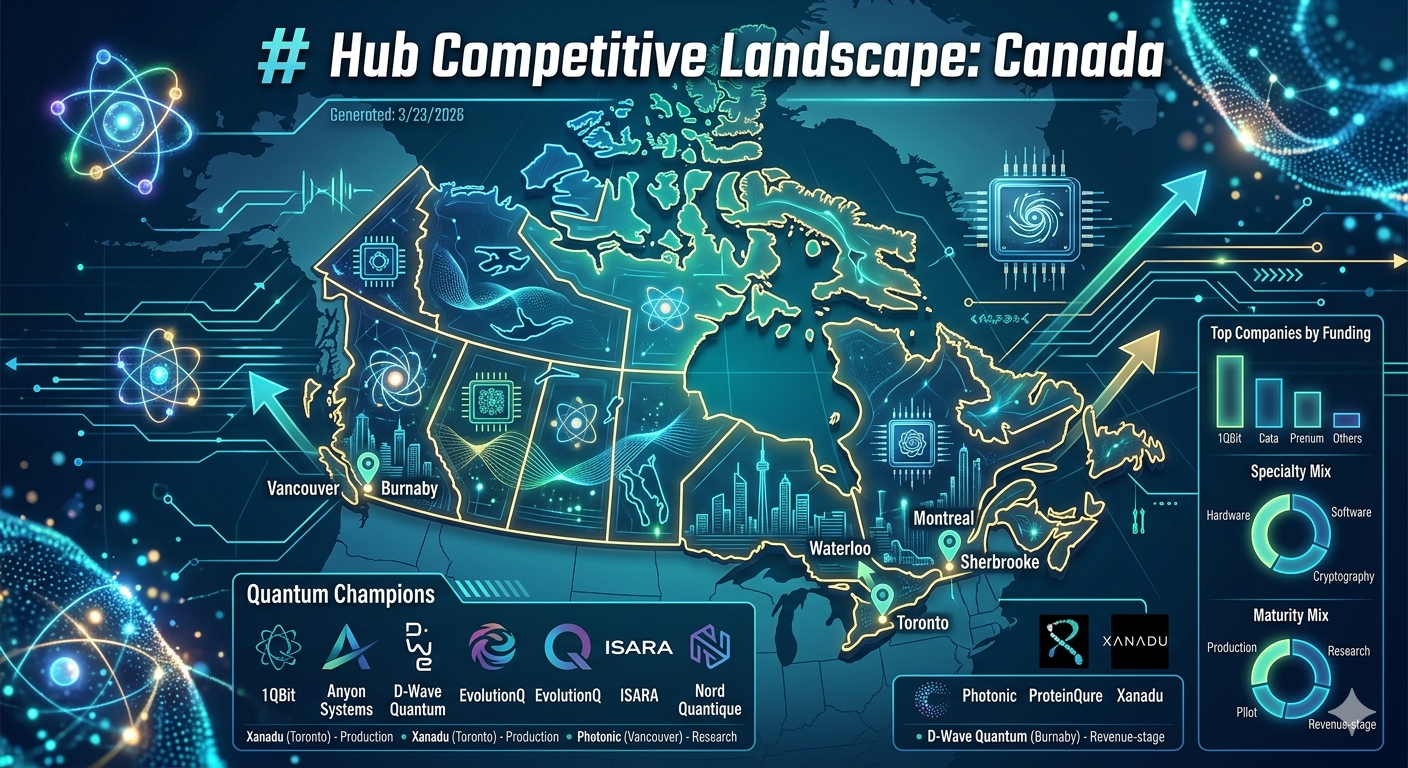
If you’ve been watching the quantum space the way I have, you know it’s no longer just a lab-bound curiosity. It’s moving fast—out of white papers and into policy agendas, investment decks, and even national strategies. After diving into “The State of Quantum Computing in Canada” by Candace Gillhoolley, I’m struck by how decisively Canada has stepped into the quantum era.
What we’re seeing north of the border isn’t just buzzword bingo—it’s coordinated, ambitious, and grounded in a long-term vision. From the federal government’s formation of BOREALIS (an agency with a name that sounds like it belongs in a sci-fi novel, but very much grounded in defense, AI, and quantum R&D) to the significant cash infusion into research, talent development, and commercialization, this isn’t window dressing. This is infrastructure.
What especially caught my attention was how Canada’s strategy echoes lessons we’ve learned from other tech revolutions. Think of it like building a highway system before the cars are mass-produced. They’re not just funding tech—they’re building an ecosystem. Quantum hubs are forming in places like Waterloo, Toronto, Vancouver, and Montreal—each with its own flavor of research and startup culture. It’s a bit like watching Silicon Valley take shape in real time, only with qubits.
And while the debate around D-Wave’s “quantum advantage” continues, the fact that private capital is flowing and pilot programs are expanding suggests the market sees something very real here.
Of course, the challenges remain. Quantum decoherence, error correction, and global competition are hurdles that still demand attention. But if the report makes one thing clear, it’s this: Canada isn’t just participating in the quantum race—it’s aiming to lead it.
I highly recommend checking out Candace’s report, especially if you’re trying to understand where the future of computing is being quietly (and not so quietly) shaped.
Stay curious,
Frank