As the morning light filters through the blinds, it spills onto the page like thoughts unwriting themselves, a natural segue into the realm where classical computing meets its more enigmatic counterpart, quantum computing. In a realm filled with the cacophony of technological advancement, have you ever paused to feel the subtle rumble of the coming quantum tremors? This is not just about computing power; this is about rewriting the narrative of possibility.
Imagine a world where the computational leaps make the AI revolution appear quaint, an echo of a simpler time. Quantum computing, once a distant theoretical promise hovering at the periphery of reality, is materializing now, meticulously molded in silicon. This revolution doesn’t stand isolated; it weaves seamlessly into the AI framework that is already remapping industries, realizing visions long held in suspension.
Based on content from Dell Technologies
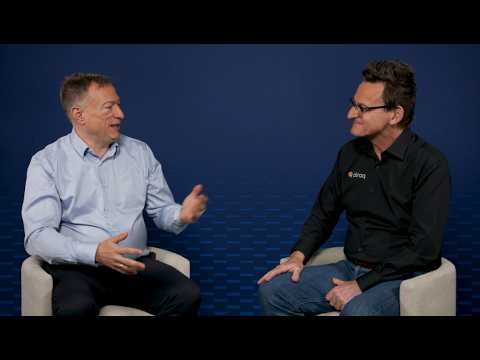
In a recent discussion on AI Insights, thought leaders in the field including Dell Technologies’ Global CTO and Chief AI Officer John Roese, and Diraq’s CEO Andrew Dzurak unveil how hybrid systems are being crafted today. These systems promise to unlock problems that AI, in its current form, finds elusive and opaque.
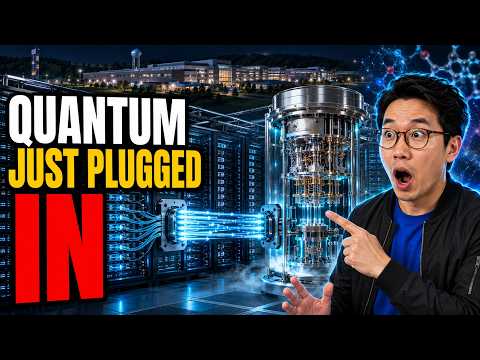
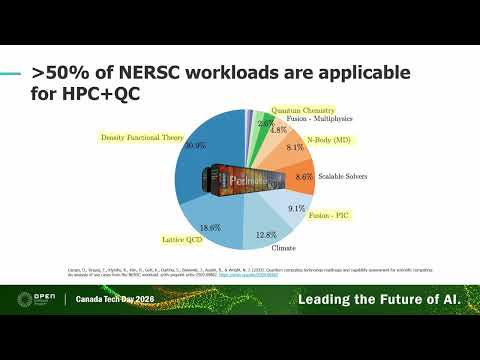
Picture, if you will, the elegance of quantum computers working symbiotically with classical compute systems. This hybrid approach is not merely an engineering choice; it is a necessity born of the practical limits faced by singular computing paradigms. CPUs do well with certain calculations, GPUs handle others—yet, none quite match the delicacy required by the quantum processing unit (QPU) for its native tasks. The convergence of these systems unlocks doors to problems once labeled intractable, redefined through a quantum lens.
It’s in the hushed precision of molecular simulation that the promise of quantum becomes clear. AI can predict patterns; quantum reshapes reality by aligning its calculations with the natural world—a feat as audacious as it is profound. Problems too enormous, tangled in webs of complexity, find clarity through quantum’s lens, reshaping fields like pharmaceuticals at their molecular cores.
The symphony of technological integration does not play solo. It finds harmony in optimization problems, those esoteric puzzles of logistics and finance where variables multiply faster than solutions, and conventional models fall short. Here, quantum computing shines, as predictive models shift from theory to reality, potentially disrupting industries rooted in logistics, supply chains, and financial modeling.
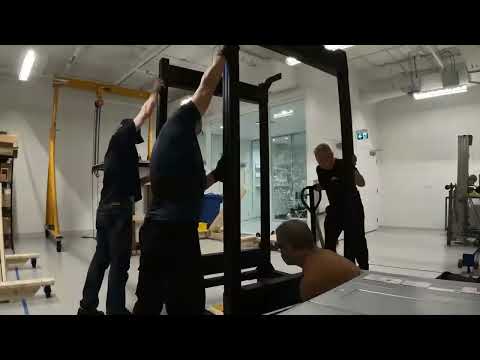
Yet, progress raises important questions: Are we ready for this substantial alteration? Perhaps not yet. The potential of quantum computing is still unfolding, yet tangible advancements are already visible. Diraq, alongside Dell, is making strides with prototype systems that tease at the future, systems where quantum error correction intertwines with classical servers, forming an inseparable network.
Ahead lies a 2029 milestone on our horizon, an inflection point where utility scale quantum systems may bypass anything our conventional creativity could construct. The blueprint for these machines is woven into the silicon wafer, where cost effectiveness merges with raw processing power, bringing forth economically viable quantum solutions. How do we democratize quantum for the many, ensuring that its benefits span industries and borders?
An echo from the past guides us—Richard Feynman, who decades ago foresaw a need for such a quantum perspective, saying, “There are certain problems conventional computers just can’t handle.” This vision has been nurtured and is steadily approaching fruition. Complexities once abstracted now become tangible, where integrated systems, designed to demand low latency, are embedded within conventional data centers, silently revolutionizing what ‘possible’ means.
Today, we stand on the edge of an era where AI and quantum computing shall walk as giants together, each amplifying the other’s capabilities. As leaders in technology strategy, the roads and questions before us demand thoughtful engagement. What algorithms can we envision, and how can they champion better futures, woven from the fabric of quantum and classical unity?
The quiet revolution is at your doorstep. Shall we open the door and let the future in?
—